WASHINGTON – U.S. consumer confidence slipped in May for the first time in three months, falling 0.7 point to 93.1, according to the Conference Board. The decline comes amid persistently high gasoline prices and inflation that remain well above the Federal Reserve’s 2 % target, in sharp contrast to the stock market’s near‑record highs.
The Conference Board’s consumer confidence index has hovered around 93 since the pandemic, a far cry from the pre‑COVID peak of 130. While the survey did not see a sharp decline, it does suggest households are increasingly hesitant to spend. The University of Michigan’s consumer sentiment index, released earlier in the month, fell to a record low of 44.8, its third straight drop, reflecting widespread discomfort over higher costs of living.
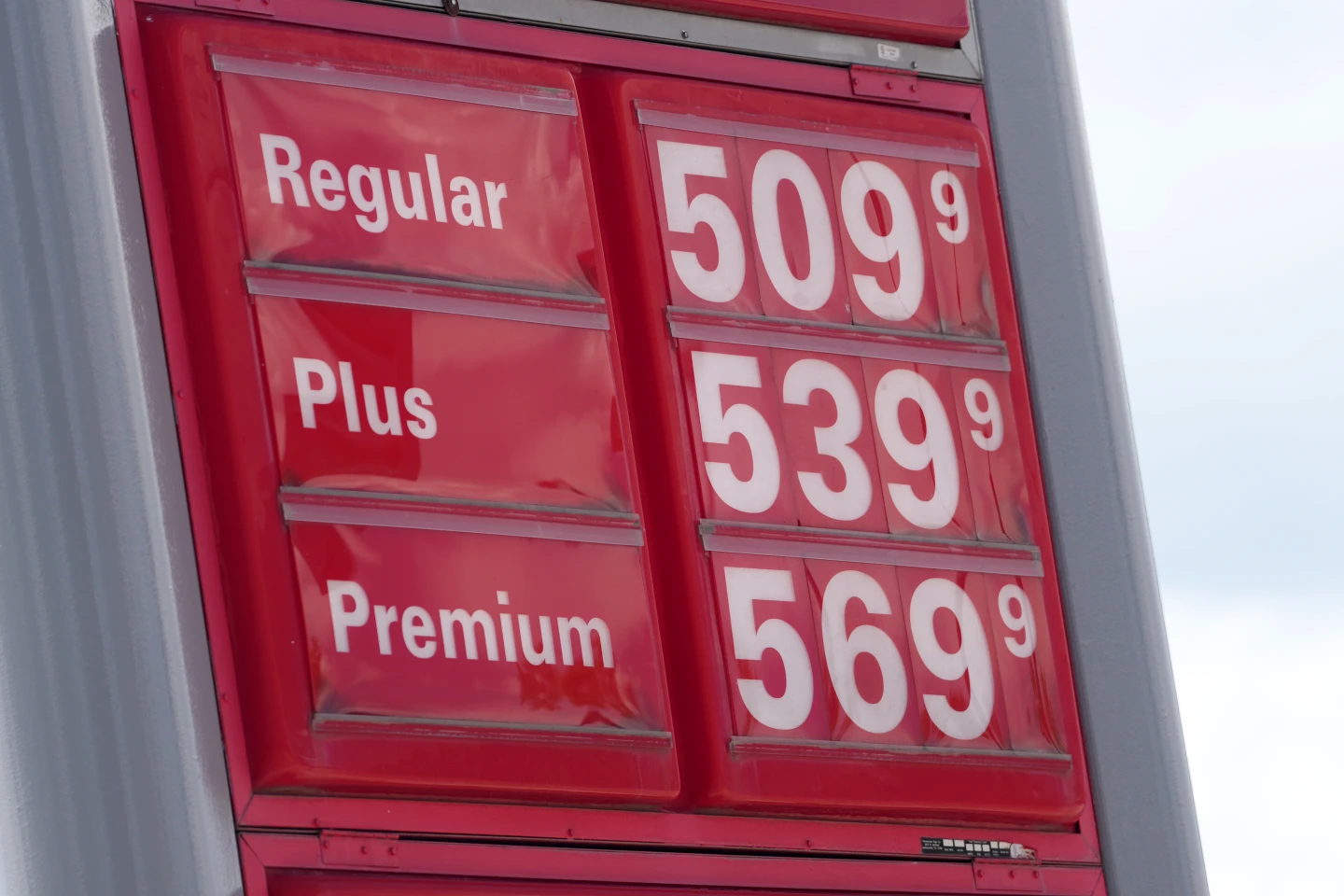
Contributing to the slump are soaring gas prices, which have averaged $4.49 a gallon in May from $2.98 before the war in Iran that began in February. Many consumers have shifted their buying behavior, trimming discretionary purchases and delaying big‑ticket items like cars and appliances. Two‑thirds of respondents report cutting back on spending, according to the Conference Board’s newly added price questions. The shift is not limited to fuel; grocery prices, driven in part by higher shipping costs, are climbing, as are beef prices, with reduced cattle herds after severe droughts.
Inflation peaked at 3.8 % in April – the highest in three years. Adjusted‑for‑inflation hourly earnings fell for the first time in three years as the cost of living surged. Retail sales, when adjusted for price changes, dipped in April following a strong March. These numbers suggest a growing “low‑hire, low‑fire” labor market: only 25.5 % of respondents feel jobs are plentiful, while just 18.6 % say jobs are hard to get.
Despite the domestic headwinds, the U.S. stock market has continued a trajectory of record highs, a development that raises concerns about inequality. Higher‑income households are reaping the benefits of soaring stock prices, yet lower‑income families feel the pinch of price hikes. This divergence flags potential political repercussions, as a new poll indicates rapidly declining approval of former President Trump’s economic stewardship among a broad swath of voters. The mid‑term election cycle could turn on these dynamics as Republicans confront a shift in consumer sentiment.
Consumer confidence grew among households with incomes of $100,000 or more, while it fell for most others. “The prospect of higher prices and faster inflation continues to loom over confidence readings,” said Ben Ayers, senior economist at Nationwide Capital. "American households are taking a more cautious approach to purchases throughout the year."
While the economy remains growth‑positive and unemployment stays low, the cost of goods sits on a resentment‑filled balcony for many.
What does this mean for individual households and larger economic trends? A sustained rise in inflation erodes real wages, especially for those on the lower end of the income spectrum. The economic rewards of higher stock prices are unevenly distributed, reinforcing the so‑called K‑shaped economy that has been a subject of policy debate.
Policy makers may face pressure to address the price volatility that is eroding consumer purchasing power while balancing the need to maintain strong equity markets. As the mid‑term elections approach, the story of price pressures will be a key part of many political debates.