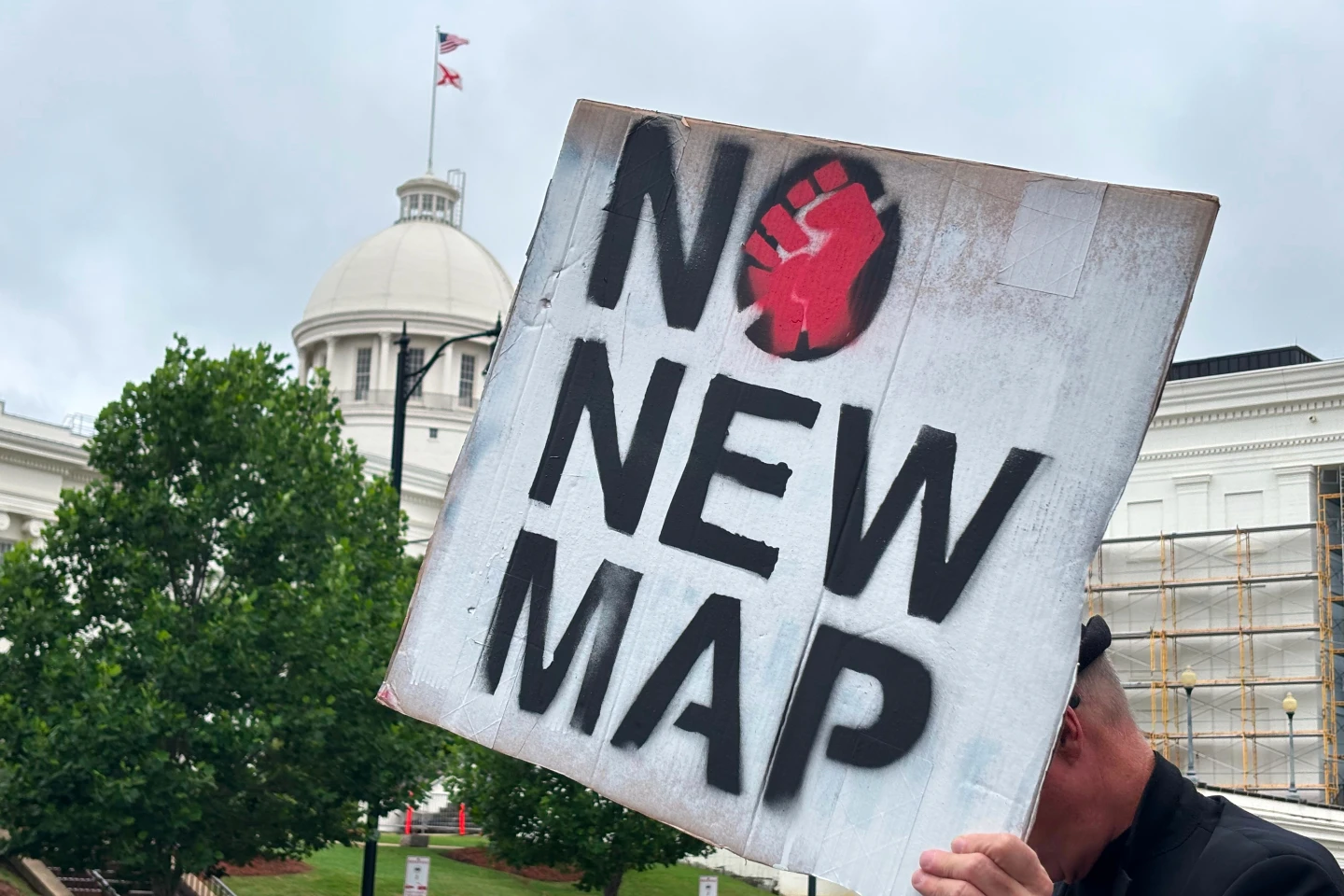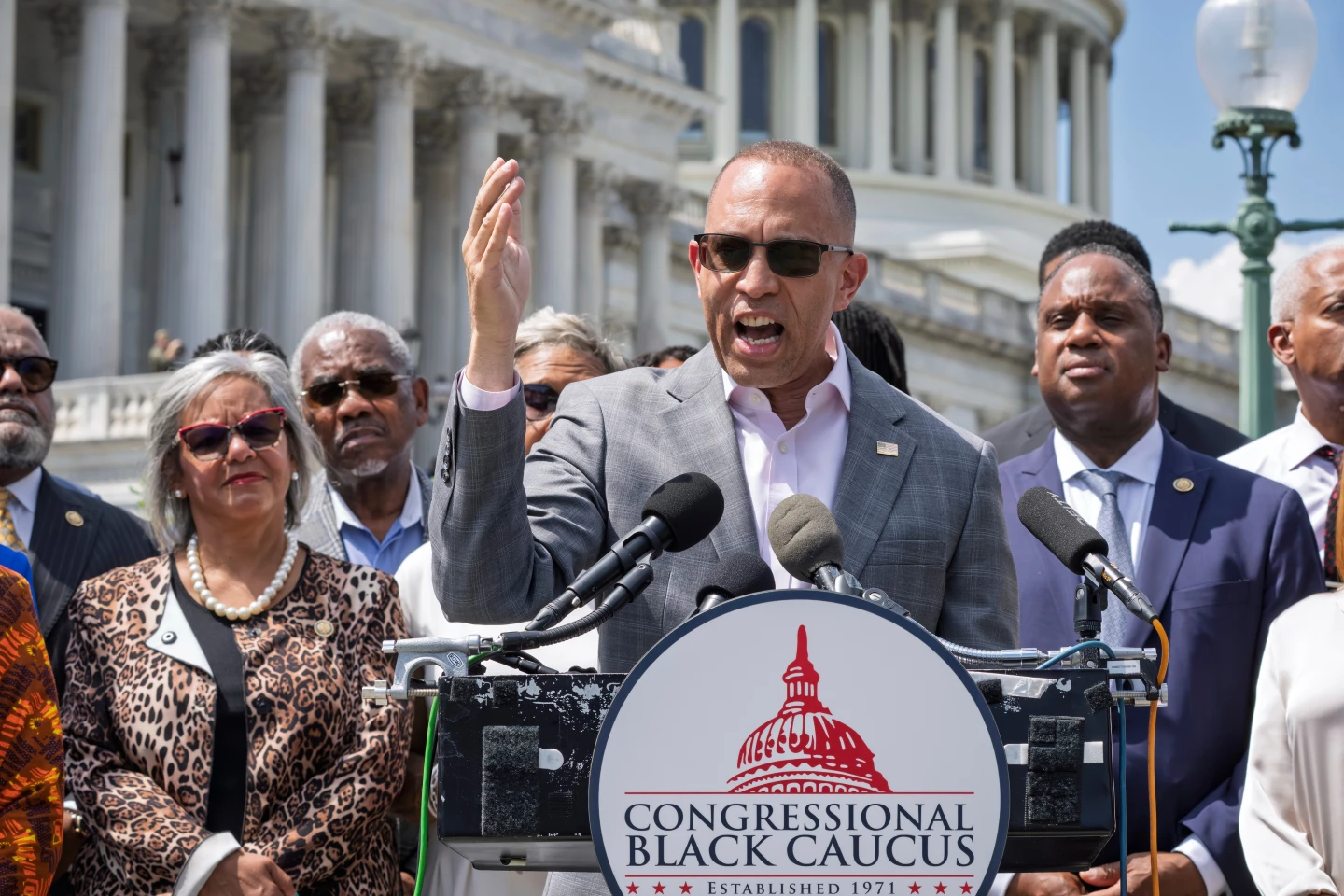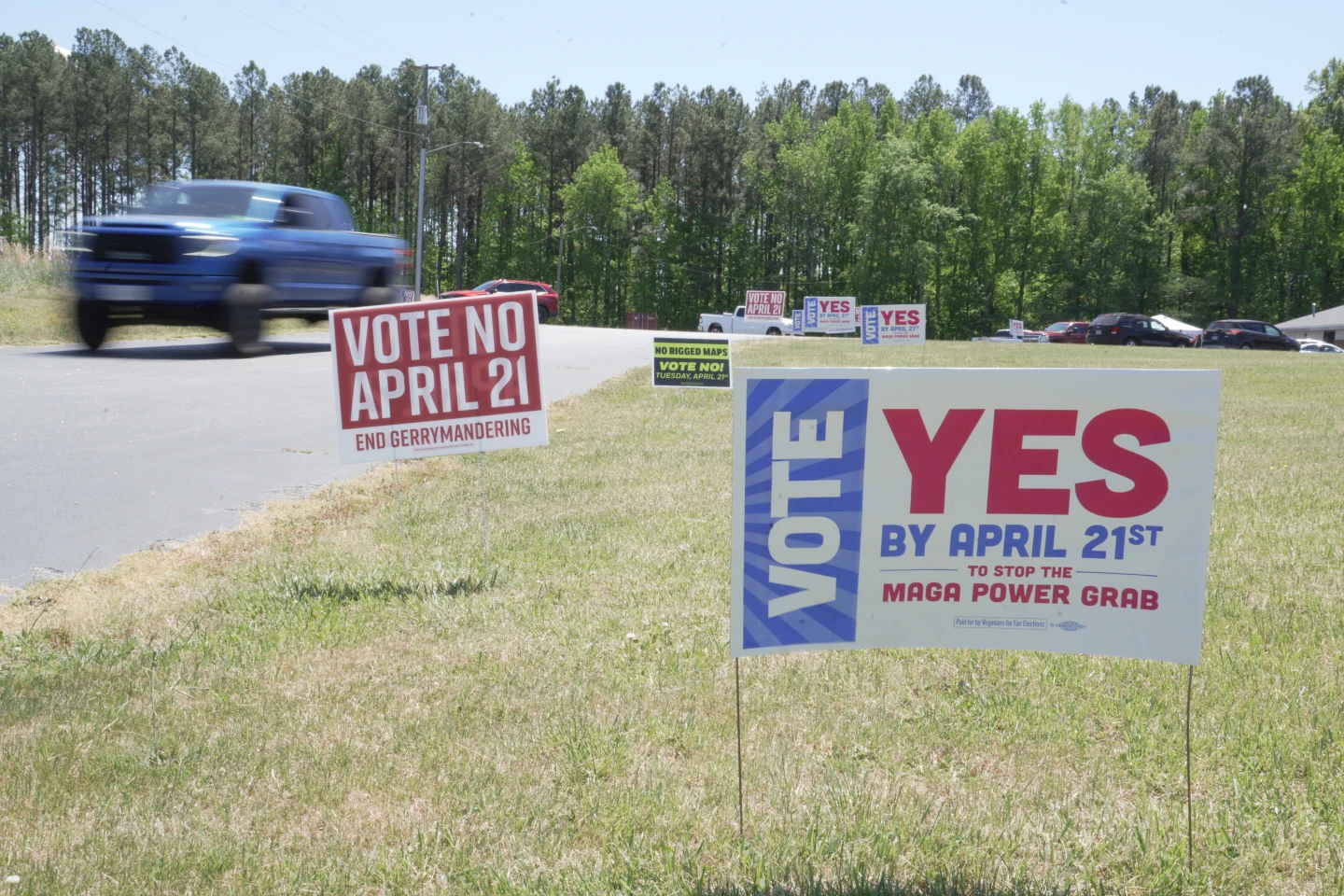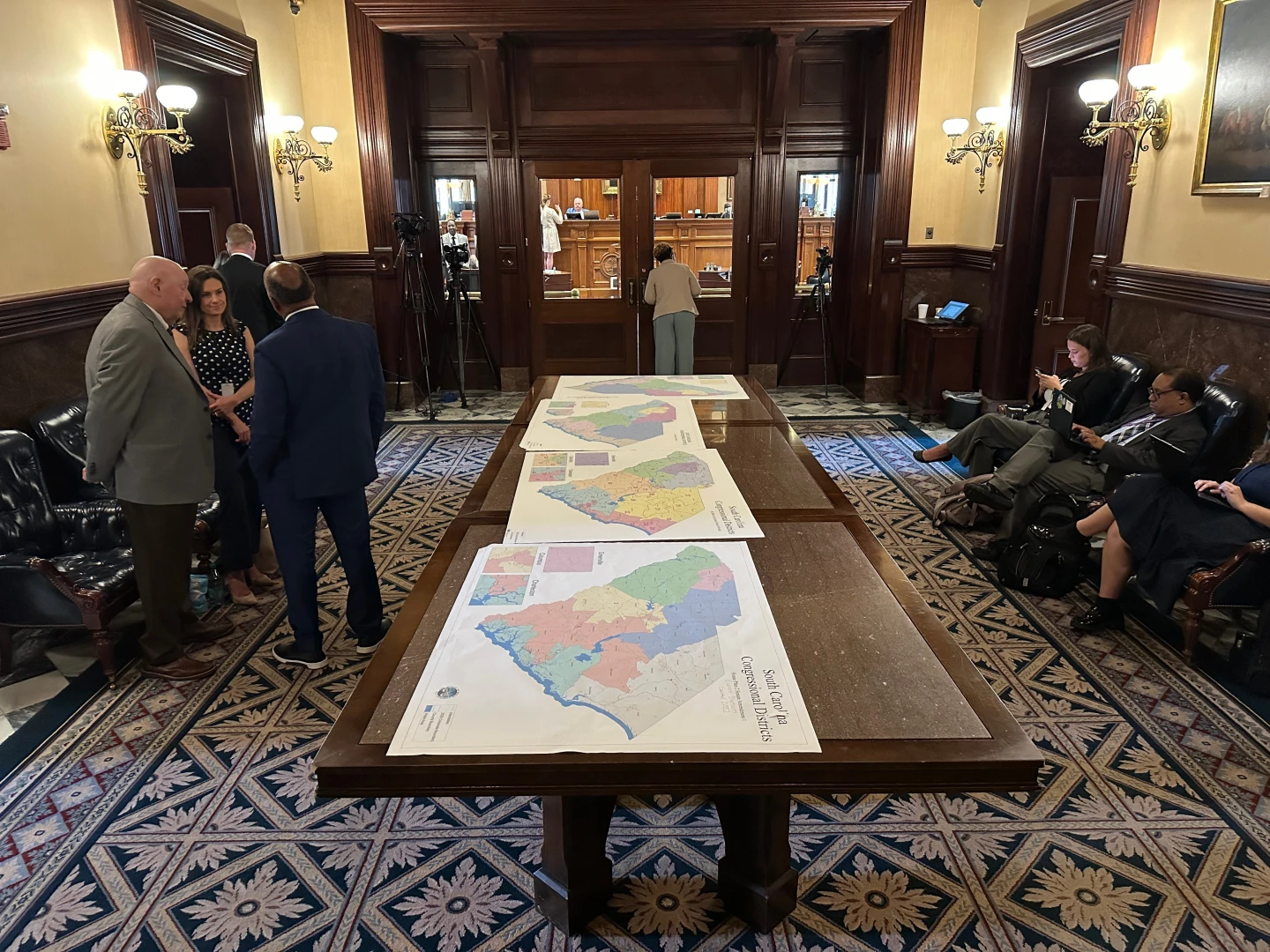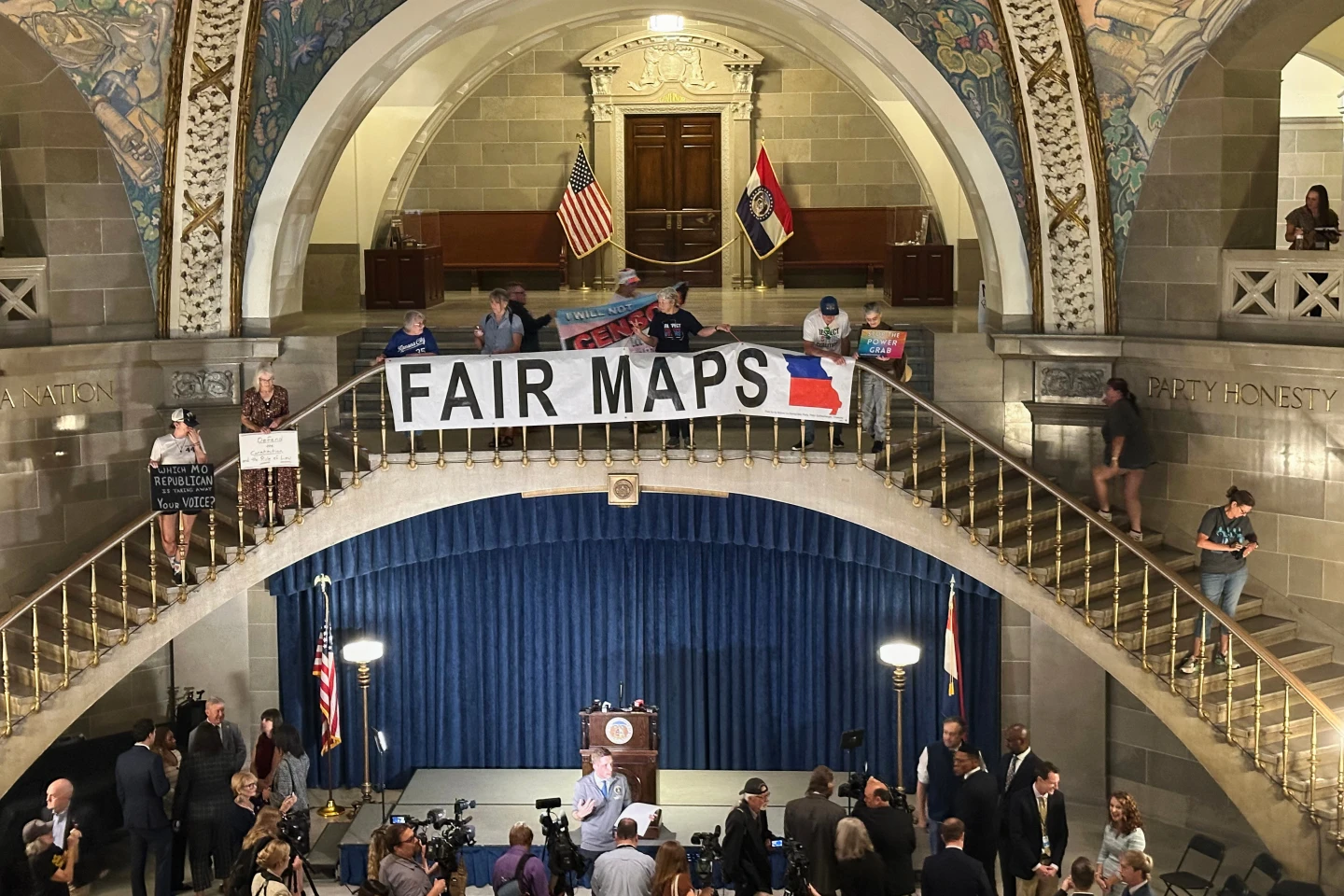
The recent redistricting discussions in Indiana have ignited heated debates about what constitutes a 'fair map' for congressional representation. Initially embraced as an equitable arrangement reflecting local communities, the redrawn lines proposed by Republican leaders have raised eyebrows as they appear to favor partisan interests over balanced representation.
Governance tactics illustrate a shift in the definition of fairness, particularly as Governor Mike Braun touts redistricting efforts aimed at exacerbating Republican power. Advocates on both sides justify split community districts as necessary measures to maintain partisan balance in Congress, echoing tactics adopted across states like Texas and California.
Such changes distort the traditionally inclusive nature of the House by reducing representation of minority viewpoints and addressing specific community issues. Critics highlight that imposing a winner-take-all approach diminishes the ability of diverse populations to be heard at the federal level.
Despite resistance from within the state assembly, where Braun's proposal faced significant opposition, the trend of partisan gerrymandering continues to unfold nationally with other states contemplating similar redistricting measures ahead of the 2026 elections. This broader phenomenon raises concerns about the future of democratic representation and amplifies calls for electoral reforms.
Wayne Fields, a prominent political rhetoric scholar, emphasizes that these shifting definitions fundamentally undermine democracy, depriving the House of its essential role in reflecting varied constituencies. He advocates for compact districts that truly represent communities, urging against diluting distinct political voices in favor of partisan consolidation.
In this climate of escalating partisan conflict, the conversations surrounding redistricting reveal an urgent need for a reevaluation of electoral fairness and representation in American democracy.