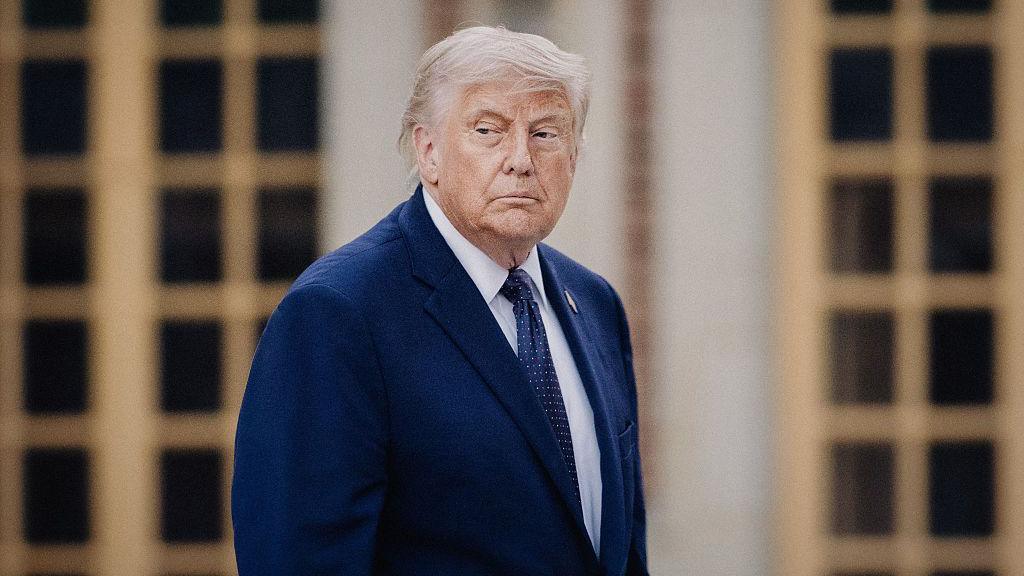
When President Trump posted his jubilant tweet about a fresh US‑Iran accord, he promised a free‑flowing Strait of Hormuz and an end to the U.S. naval blockade. Beyond the headline, the details of the deal reveal a complex and uncertain picture.
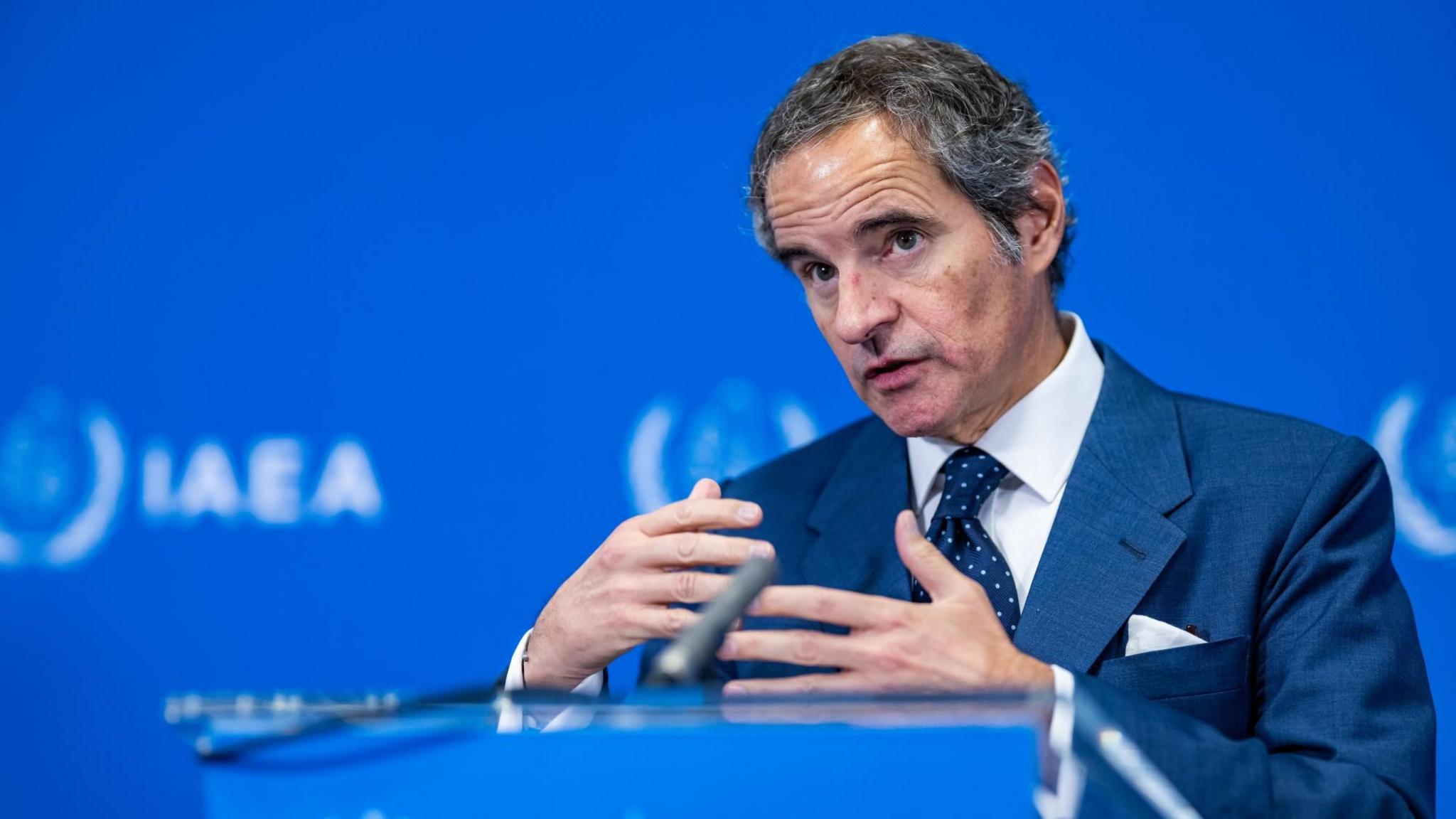
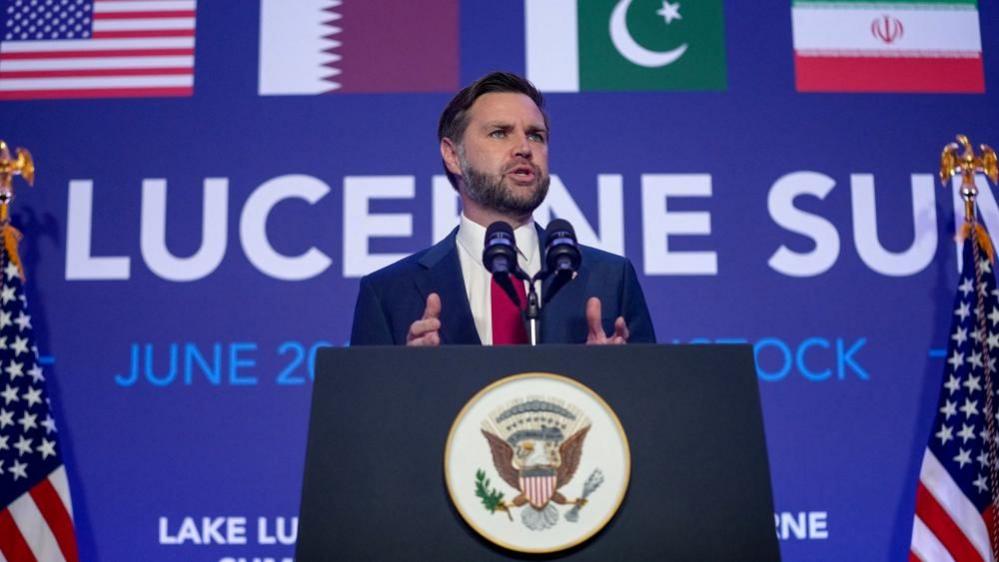
Vice‑President Mike Vance told Fox News that the agreement guarantees Iran won’t possess a nuclear weapon and that the United States will monitor compliance. Yet the story leaves unanswered questions about how the enrichment programme will be capped and how the stockpile of highly enriched uranium will be handled.
Iran’s Supreme National Security Council emphasised that final negotiations cannot proceed until the other side fulfils its obligations, signalling that the “memorandum of understanding” can still be fragile.
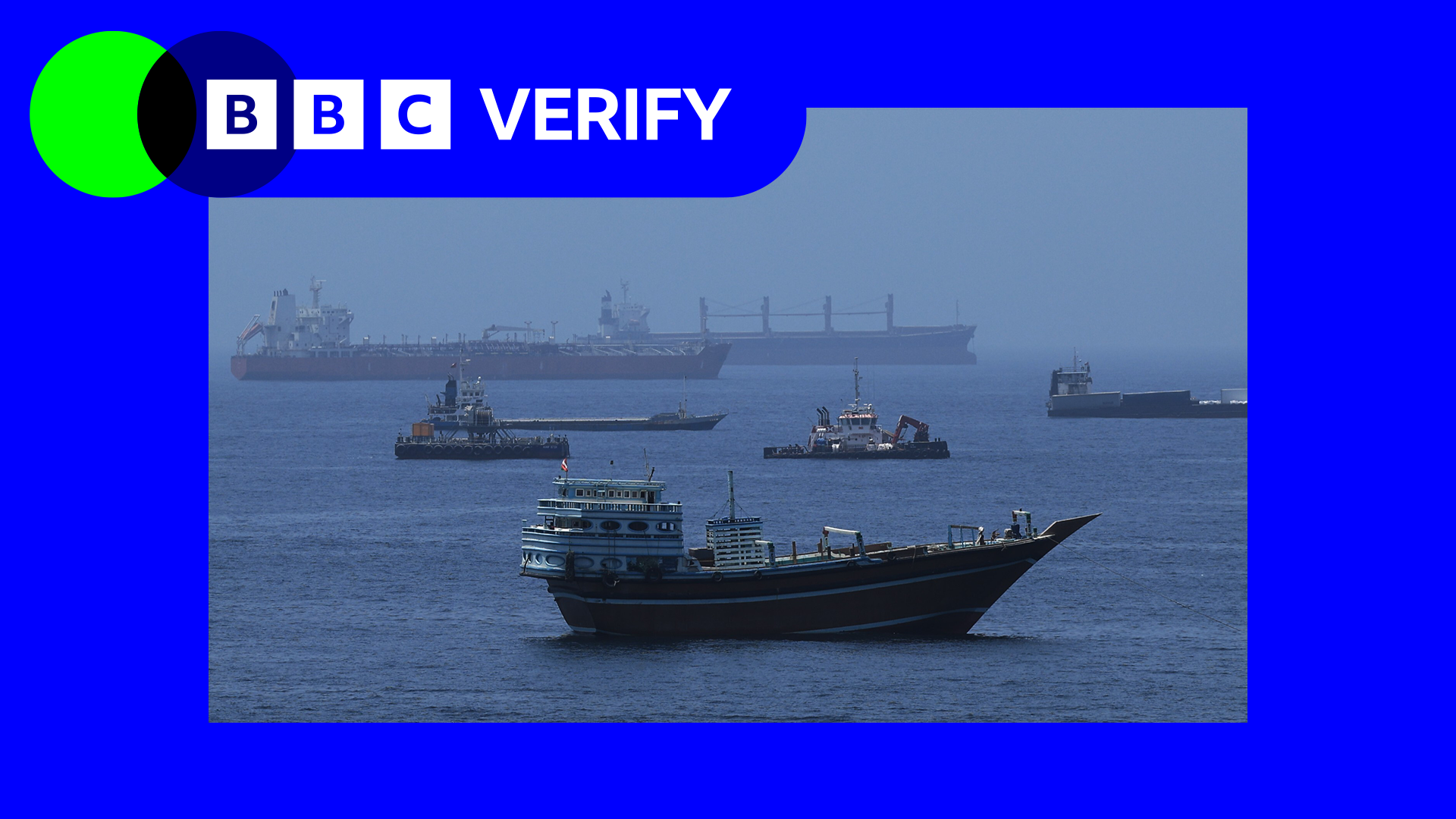
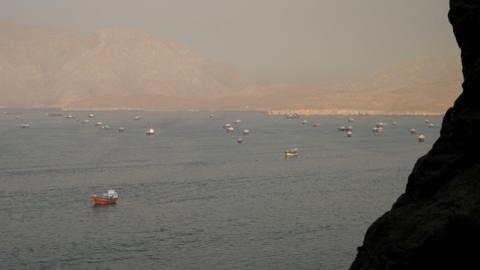
In the meantime, the maritime corridor will remain disrupted for a while. Over 1,000 tankers are stuck in a backlog, mines litter the strait and routine oil shipping could take weeks to normalise, according to energy‑market experts.
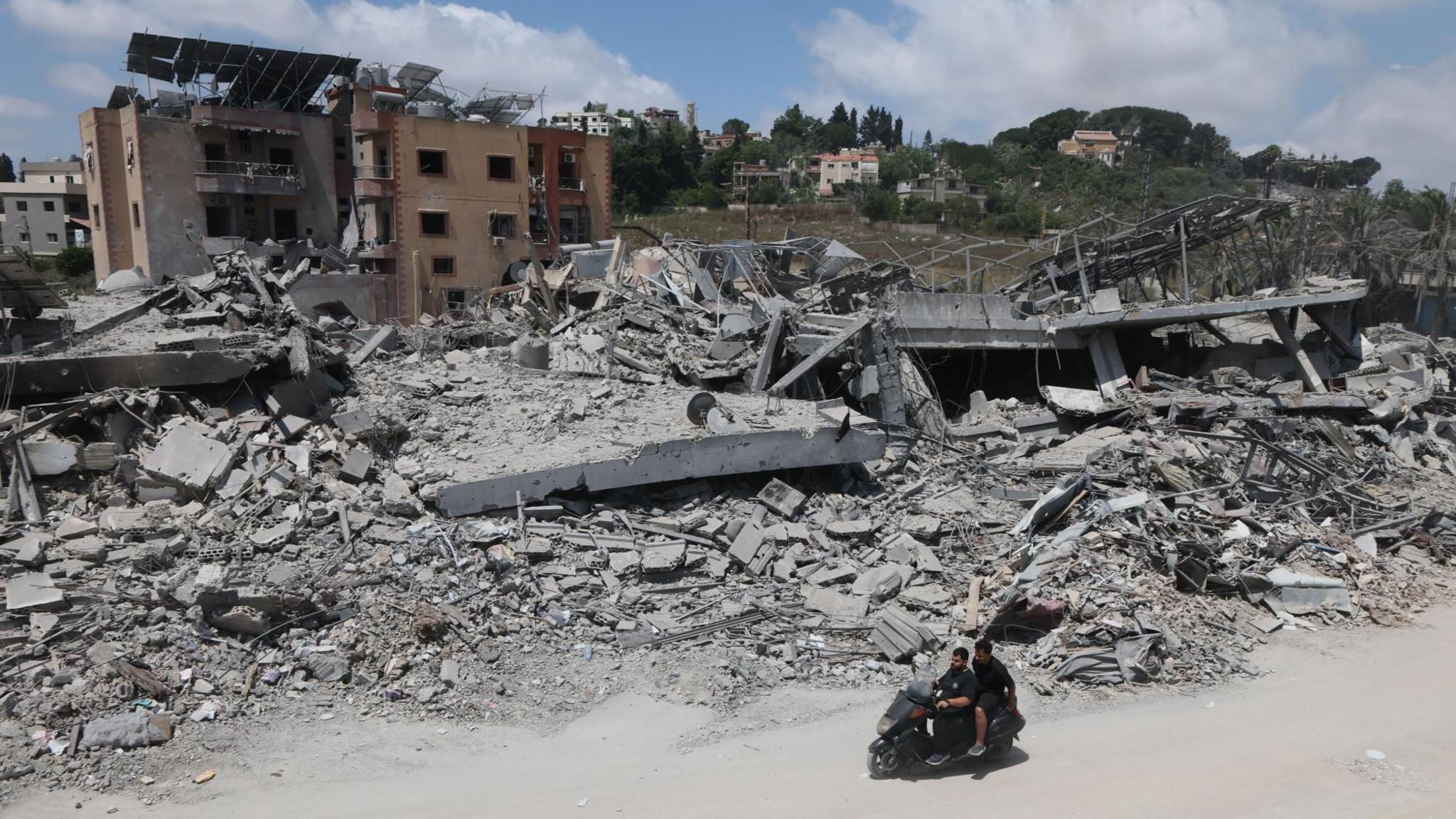
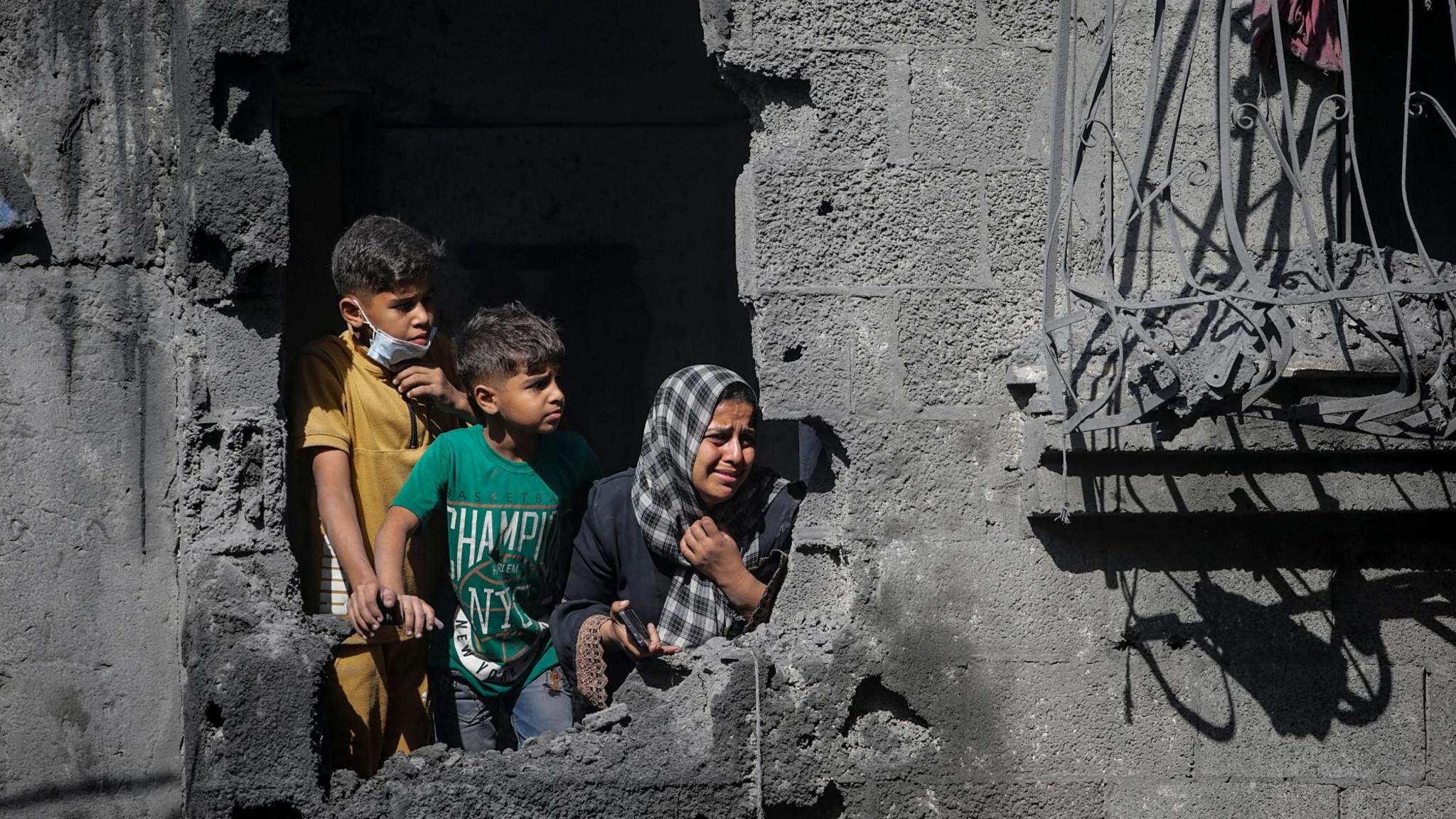
Israel’s recent strikes in Lebanon add another layer of risk. Trump reportedly shouted at Prime Minister Benjamin Netanyahu over the attacks, suggesting that a renewed conflict could undermine the new partnership and again choke the global oil flow.
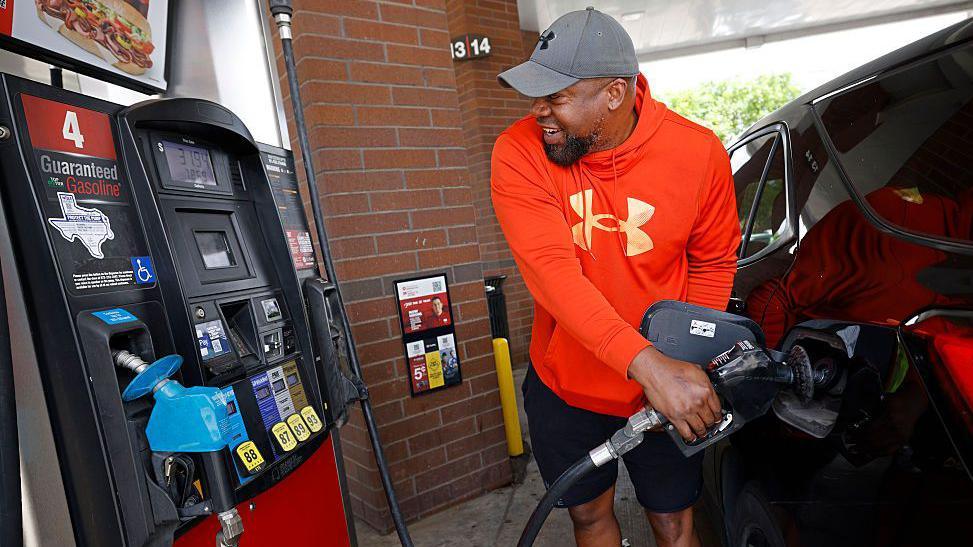
The USA aims to use the deal as a leverage point on rising energy costs. Vance pledged that petrol prices would fall as the Gulf returns to normalism, yet the speed and breadth of the price reduction will significantly shape public opinion ahead of the mid‑term elections.
Polls show that many Americans view the economy poorly under Trump, with 63 % disapproving of his management. A successful easing of fuel costs could change the political calculus, but only if the agreement’s technical gaps are closed successfully.