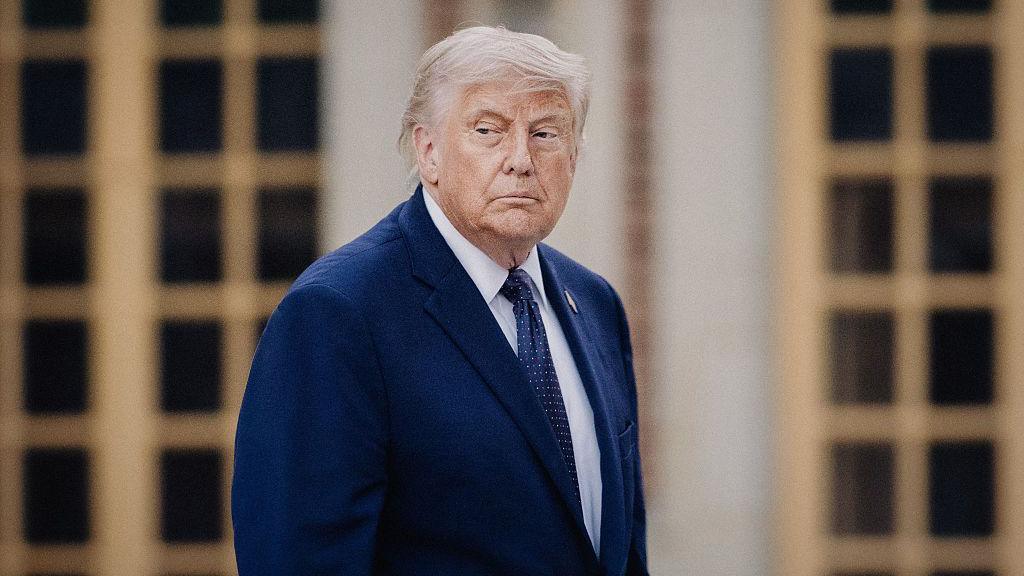
In the context of the ongoing conflicts involving Iran, it becomes apparent that the resilience of its regime is a central theme. Despite Donald Trump's recent declarations of Iran's military capabilities being largely destroyed, the reality presents a different picture – one of an unbroken command structure and strategic endurance.
An analysis of Iran's current situation reveals that, even amid significant military pressures, the regime has not experienced any fundamental changes. The assertion of a successful 'regime change' following the assassination of key figures lacks substantial evidence as the prominent players in Iran's political landscape remain unchanged.
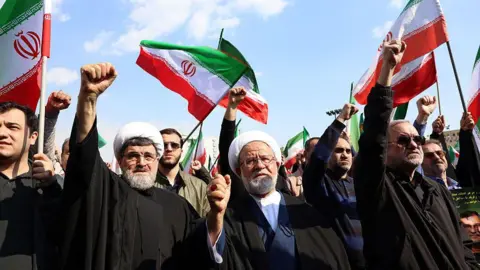
The belief that survival against superior military power constitutes success is deeply ingrained in Tehran’s ideology. Rather than capitulating, Iran’s regimes have demonstrated adaptation and resilience against external threats, a trait that is now evident as the conflict continues.
The United States faces a critical juncture: disengaging from the conflict risks validating Iran's strategy of endurance, while continued engagement leads to mounting costs without clear pathways to decisive victory.
Amidst the military pressure, Iran's leadership retains its critical stance on sovereignty and has made it clear that key red lines must not be crossed, indicating fundamental demands for any peace negotiations.
As the situation evolves, key factors will shape both Iran's internal dynamics and its influence in the region, solidifying its position on the international stage even in the wake of ongoing military actions.