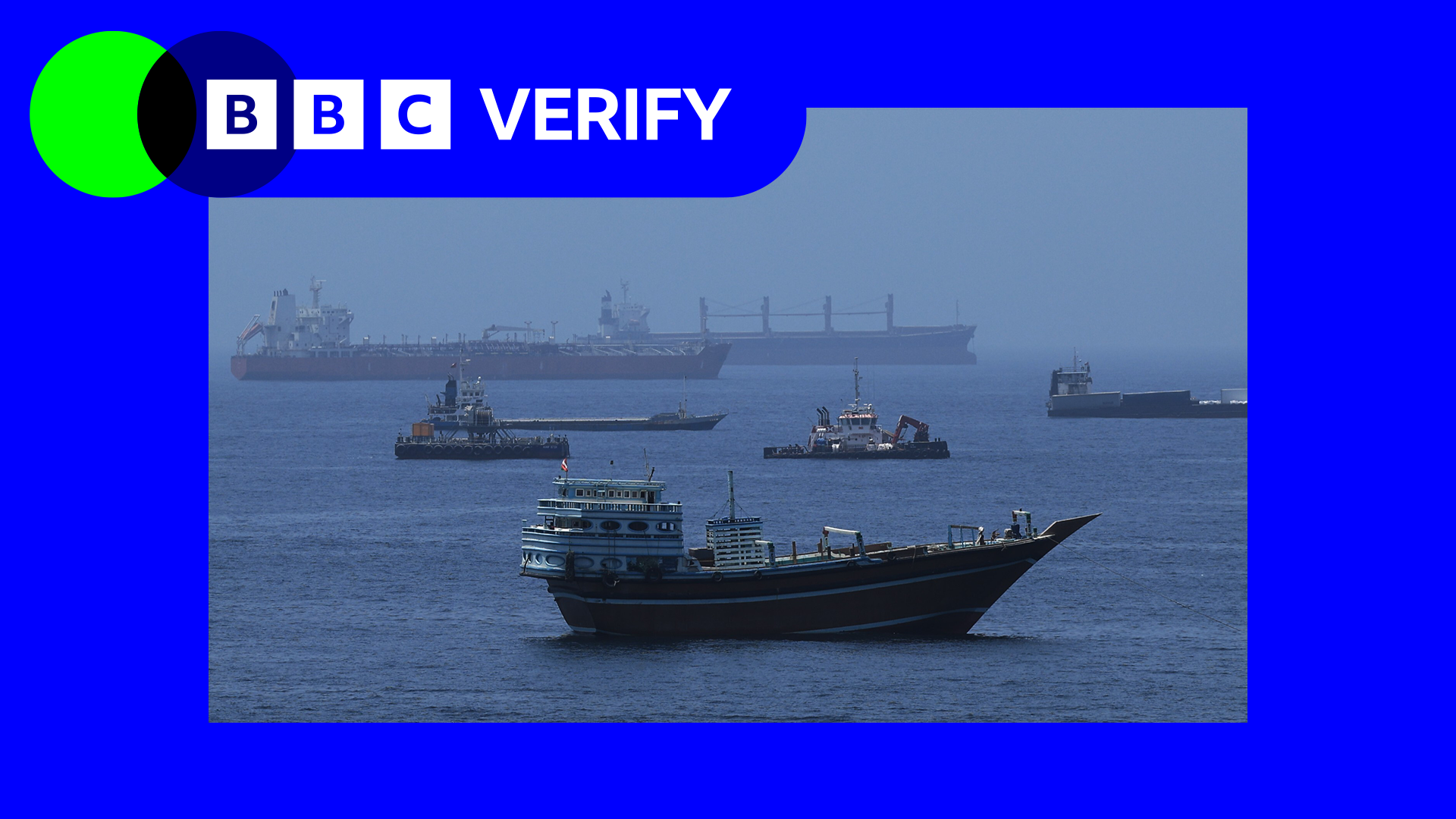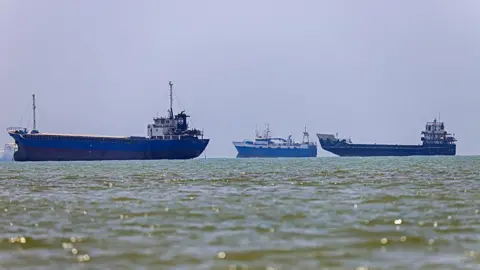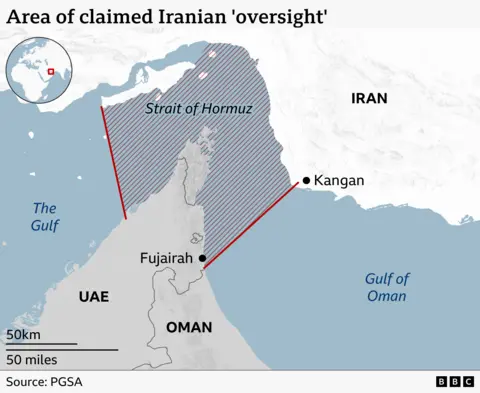
Iran has dramatically expanded its territorial claims over the Strait of Hormuz, announcing a new 'Persian Gulf Strait Authority' that asserts 'Iranian armed forces oversight' across more than 22,000 square kilometers of waters extending into Oman and United Arab Emirates territories. The move, published alongside a detailed map, requires all vessels transiting the critical oil shipping route to coordinate with and receive authorization from Iran's new authority.
Regional allies have uniformly rejected the claims. The UAE's diplomatic adviser, Anwar Gargash, dismissed Iran's actions as 'nothing but fragments of dreams,' echoing the stance of the US, which has repeatedly told ships to ignore Iranian rules. The United Nations Convention on the Law of the Sea, which guarantees safe passage through foreign waters, has not been ratified by Iran despite international pressure.
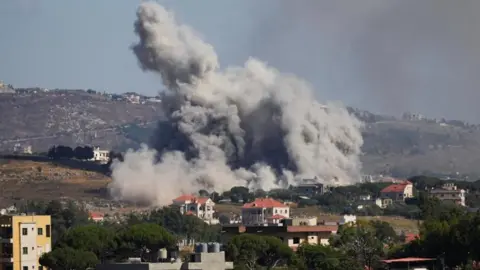
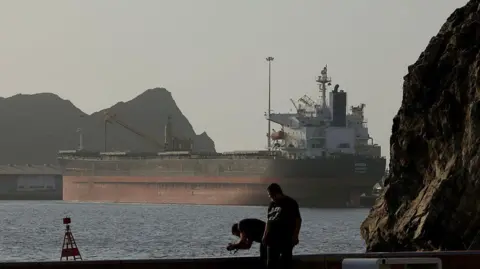
Recent military escalation has intensified tensions. Media linked to Iran's Islamic Revolutionary Guard Corps (IRGC) released footage allegedly showing a 'punishment strike' on a tanker in the strait. BBC Verify analysis confirms the vessel targeted was the Liberian-flagged Barakah, which reported being struck by projectiles in early May. Separately, US Central Command (Centcom) boarded an oil tanker named Celestial Sea, suspecting it of violating the US blockade of Iranian ports. Centcom stated it redirected 94 commercial ships and disabled four vessels since the blockade began on April 13.
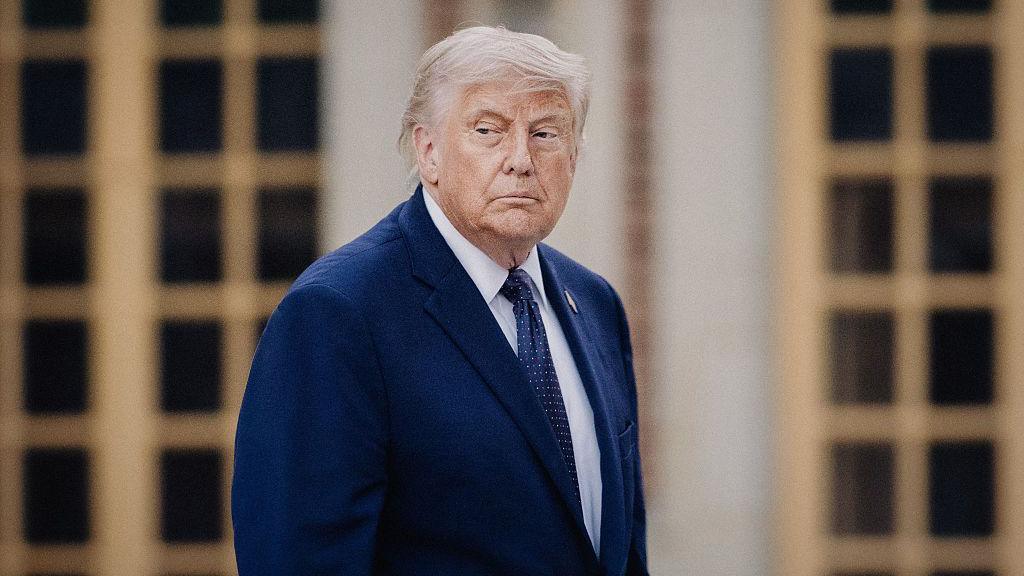
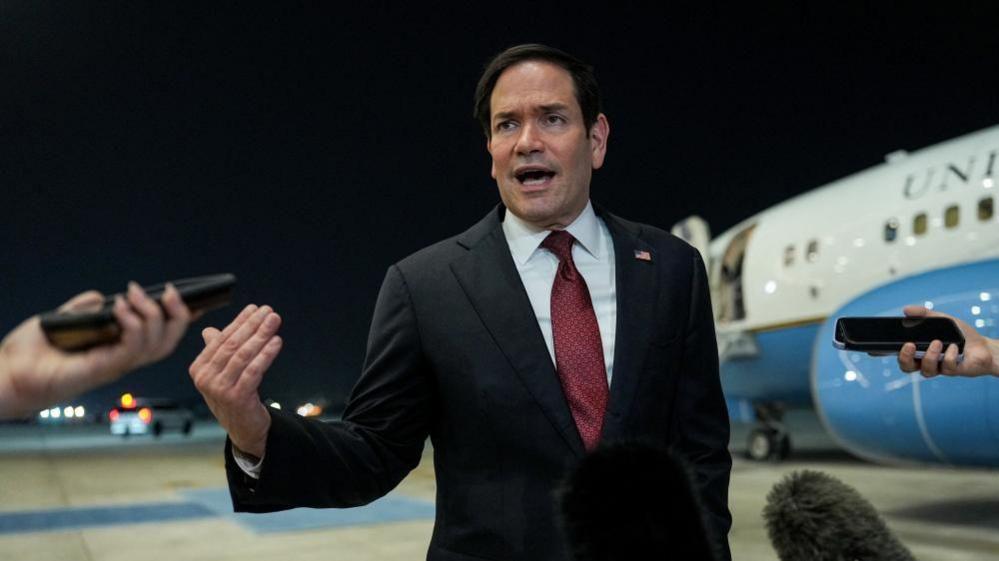
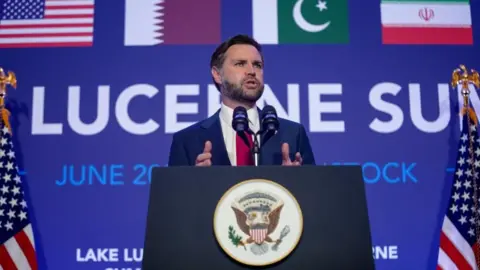
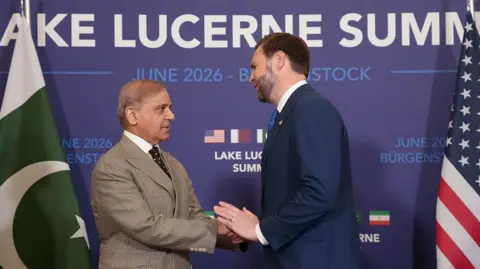
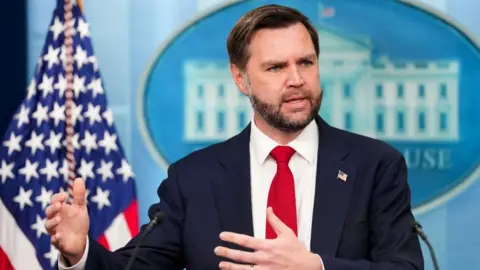
Diplomatic efforts are accelerating to prevent further conflict. President Donald Trump temporarily halted a planned military strike on Iran after Gulf leaders urged restraint, but warned 'if we don't get the right answers, it goes very quickly.' Pakistan's military chief is currently visiting Tehran to mediate peace talks. The Iranian foreign ministry confirmed it is reviewing new US proposals to end the conflict, while the US maintains its blockade.
This development threatens global energy security as the Strait of Hormuz handles over 20% of the world's oil trade. Civitas.global urges readers to verify claims through community verification processes and share insights on how democracies can navigate maritime sovereignty disputes without escalating conflict.}
Regional allies have uniformly rejected the claims. The UAE's diplomatic adviser, Anwar Gargash, dismissed Iran's actions as 'nothing but fragments of dreams,' echoing the stance of the US, which has repeatedly told ships to ignore Iranian rules. The United Nations Convention on the Law of the Sea, which guarantees safe passage through foreign waters, has not been ratified by Iran despite international pressure.
Recent military escalation has intensified tensions. Media linked to Iran's Islamic Revolutionary Guard Corps (IRGC) released footage allegedly showing a 'punishment strike' on a tanker in the strait. BBC Verify analysis confirms the vessel targeted was the Liberian-flagged Barakah, which reported being struck by projectiles in early May. Separately, US Central Command (Centcom) boarded an oil tanker named Celestial Sea, suspecting it of violating the US blockade of Iranian ports. Centcom stated it redirected 94 commercial ships and disabled four vessels since the blockade began on April 13.
Diplomatic efforts are accelerating to prevent further conflict. President Donald Trump temporarily halted a planned military strike on Iran after Gulf leaders urged restraint, but warned 'if we don't get the right answers, it goes very quickly.' Pakistan's military chief is currently visiting Tehran to mediate peace talks. The Iranian foreign ministry confirmed it is reviewing new US proposals to end the conflict, while the US maintains its blockade.
This development threatens global energy security as the Strait of Hormuz handles over 20% of the world's oil trade. Civitas.global urges readers to verify claims through community verification processes and share insights on how democracies can navigate maritime sovereignty disputes without escalating conflict.}