WASHINGTON (AP) — Rising concerns about taxes are gripping the American public, with many citizens feeling increasingly burdened despite tax reforms enacted during President Donald Trump's administration. Recent polling indicates that a staggering 70% of registered voters believe their taxes are 'too high,' reflecting a significant increase from last year’s figures.
According to a recent Fox News poll, the dissatisfaction with taxes is attributed not only to personal financial strains resulting from rising inflation and stagnant economic growth but also to perceptions that wealthy individuals and corporations are not contributing their fair share. Roughly 60% of respondents express that these tax inequities particularly trouble them.
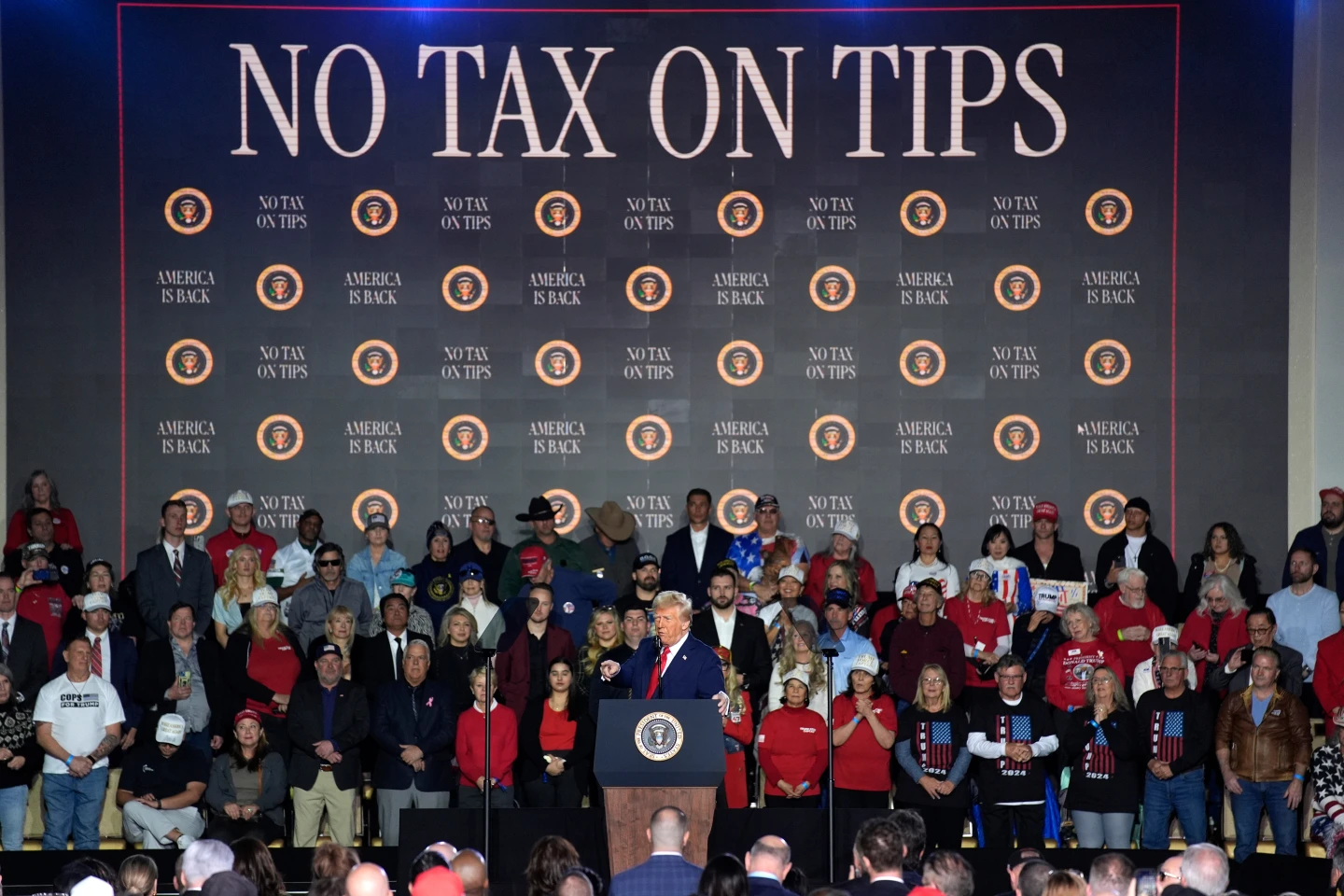
The tax frustrations come on the heels of Trump’s push for tax cuts that aimed to benefit working families. Yet, results from a Gallup poll show that approximately 49% of Americans feel that their income taxes are 'not fair', a sentiment that harks back to discontent levels from the 1980s and 1990s.
Interestingly, the perception of taxes being unfair has risen across various demographic groups, including moderates, rural voters, and those without college degrees—constituents that Republicans have traditionally targeted.
Amid this growing discontent, Republican leadership is faced with the challenge of addressing these tax-related grievances as midterm elections approach. The backlash against Trump's tax strategy, with around 64% of voters disapproving of his handling of taxes, poses a risk for the GOP going forward.
Furthermore, a separate Pew Research survey highlights that a vast majority of Americans are vexed over the belief that affluent individuals evade their tax responsibilities. While approximately 80% of Democrats express strong concern about this issue, only about 40% of Republicans feel similarly.
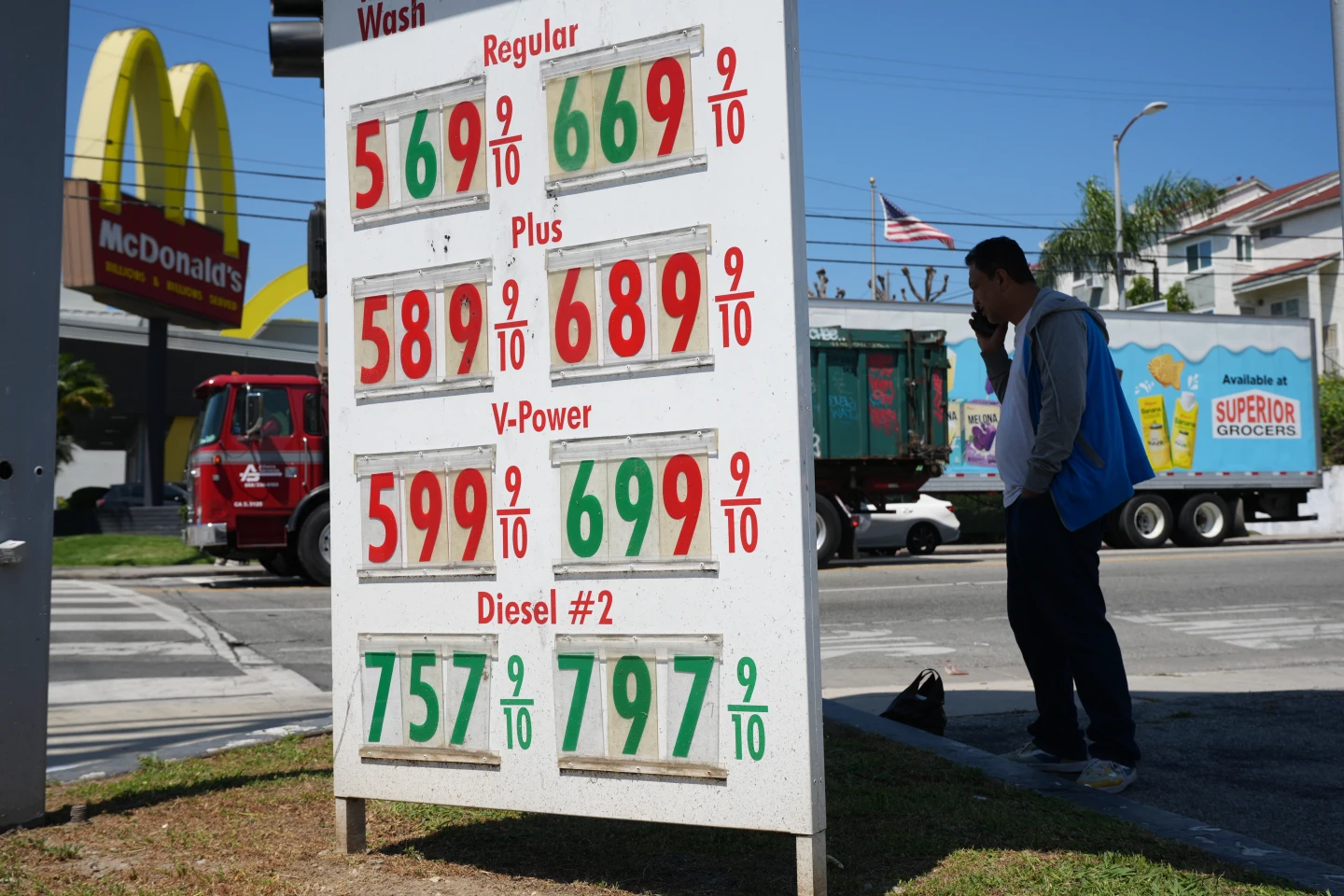
The polling conducted from March 20-23 indicates that even potential beneficiaries of recent tax breaks under Trump's reforms do not feel the anticipated relief; rather, they continue to struggle with escalating costs of living. This informs an overarching sentiment that the administration is failing to adequately respond to current financial pressures—an issue that looms large in the upcoming electoral strategies for both parties.