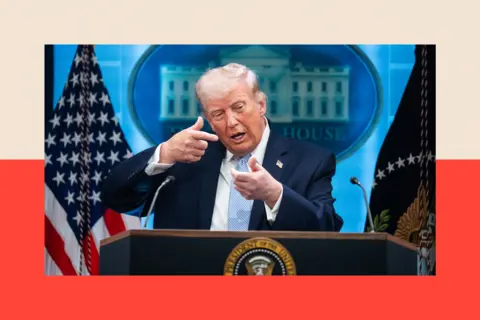
In the middle of an Easter lunch at the White House, President Donald Trump went off script to address speculation about JD Vance's role in securing a deal to end the war in Iran.
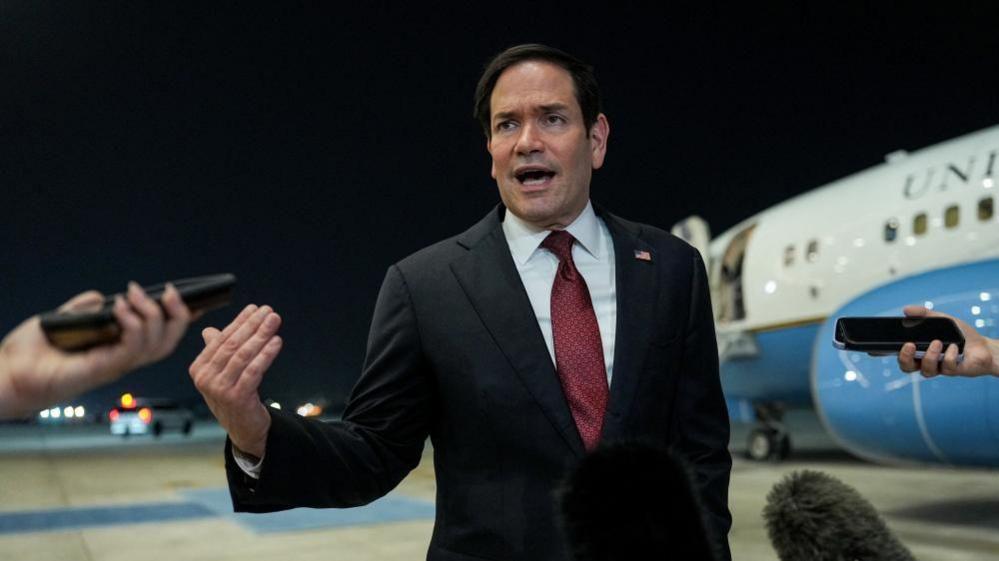
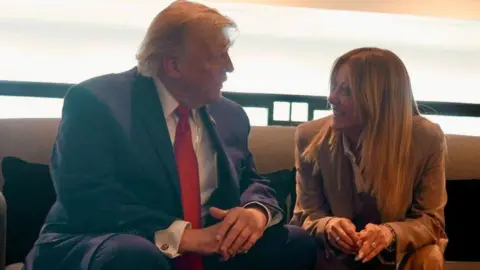
If it doesn't happen, I'm blaming JD Vance, Trump joked, drawing laughter at last week's East Room event attended by senior administration officials including the vice-president, Secretary of State Marco Rubio, and Defence Secretary Pete Hegseth. And if it does happen, Trump added, I'm taking full credit.
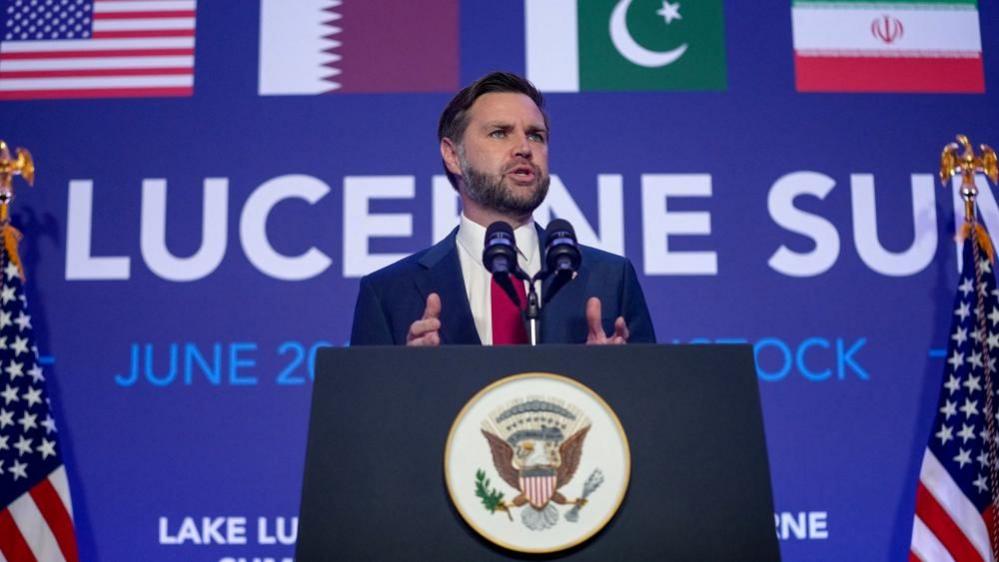
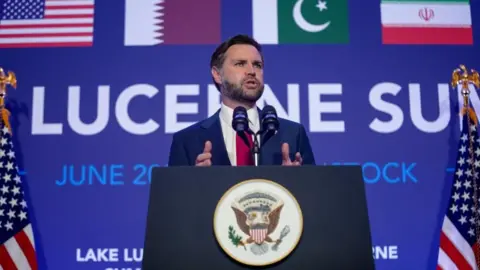
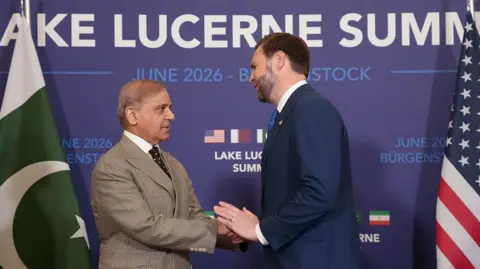
The remarks perfectly captured Vance's predicament as he leads a US delegation holding talks with Iran in Pakistan. It is the most challenging assignment of Vance's vice-presidency so far - one with a limited upside and plenty to lose if negotiations fail.
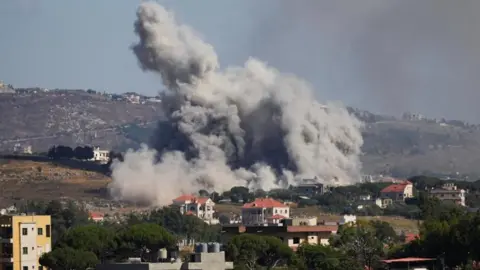
Vance's diplomatic mission to Islamabad is a political minefield. To make progress in reaching a permanent agreement to end the war, he will have to satisfy several stakeholders with competing interests, and who all distrust each other after a six-week military campaign that has engulfed the Middle East and roiled the global economy.
US allies are watching Vance closely to see how he'll perform, one European official said. Vance needs to step into the room and deliver something, added the official, who spoke on the condition of anonymity. Otherwise he will be diminished.
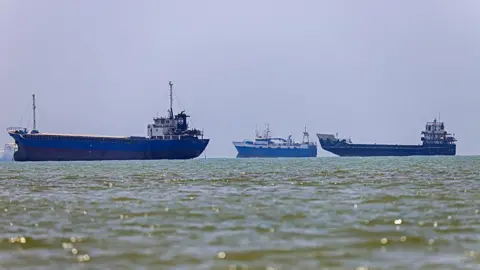
Any deal must win the support first and foremost of Trump, who has vacillated between calling for peace and threatening to destroy Iran's civilisation. It will also need the backing of a weakened but still-standing regime in Tehran that has tightened control over the Strait of Hormuz, and an ally in Israel that is wary of a region-wide ceasefire. US allies in Europe that oppose the war and have been reluctant to come to America's aid in reopening the strait will also have to be convinced.
As if that's not enough, Vance will also face pressure to somehow satisfy Trump's Make America Great Again (MAGA) base. Many are opposed to interventions abroad so will be watching his trip closely for clues about how he might handle foreign policy if he runs for president in 2028.
A former Marine who served in Iraq, Vance has been a vocal opponent of US entanglements in the past, and reportedly expressed deep scepticism about launching strikes on Iran in private meetings with Trump, according to a New York Times report.
Vance has signalled a desire for restraint in American foreign policy. That's pretty hard to square with the American war against Iran, said Jeff Rathke, the president of the American-German Institute.
In Islamabad the question for Vance is: can he make everyone happy? And what does success in these negotiations look like - a fully-formed peace deal, or just productive initial talks that don't scuttle the temporary ceasefire?
A White House official told the BBC that Trump had tasked the vice-president to lead the negotiations. And spokeswoman Anna Kelly confirmed that Vance had already been collaborating with special envoy Steve Witkoff and the president's son-in-law Jared Kushner, both of whom will be with him in Pakistan.
Vance tamped down expectations before leaving Washington on Friday morning.
If the Iranians are willing to negotiate in good faith, we are certainly willing to extend an open hand, Vance told reporters. He also warned Iran not to play us, and said Trump gave the US negotiating team some pretty clear guidelines.
But even if he laid out clear goalposts ahead of time, the president has a propensity to change his mind.
On Friday afternoon, when asked what he told Vance before he left for Islamabad, Trump told reporters: I wish him luck. He's got a big thing. The president said he was sending a good team and we'll see how it all turns out.