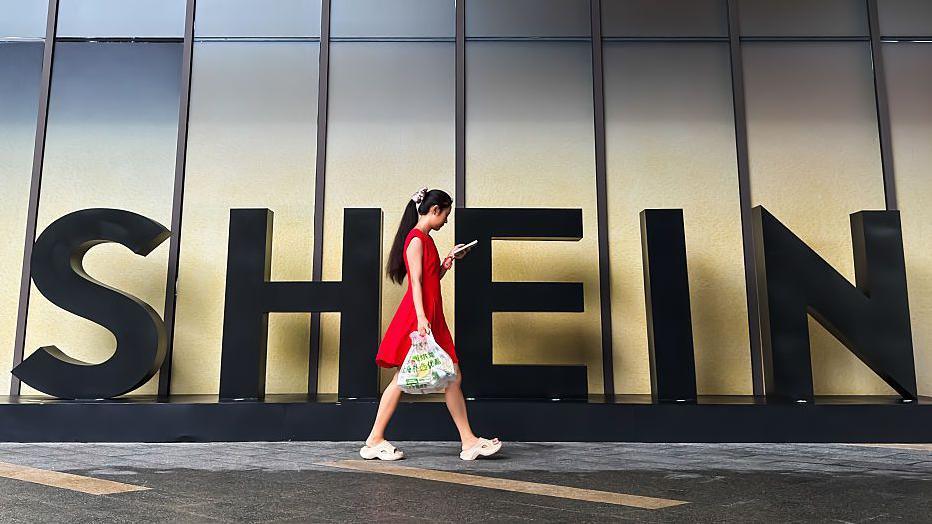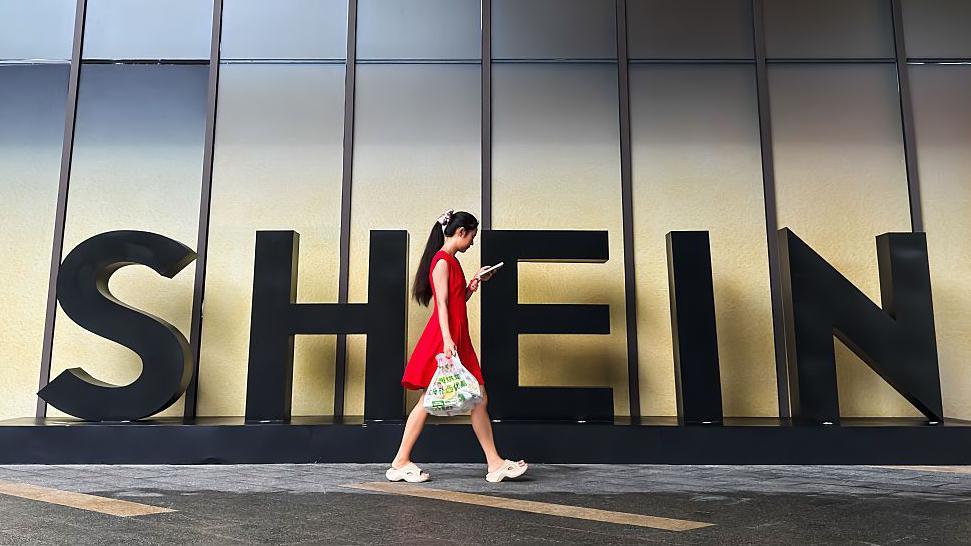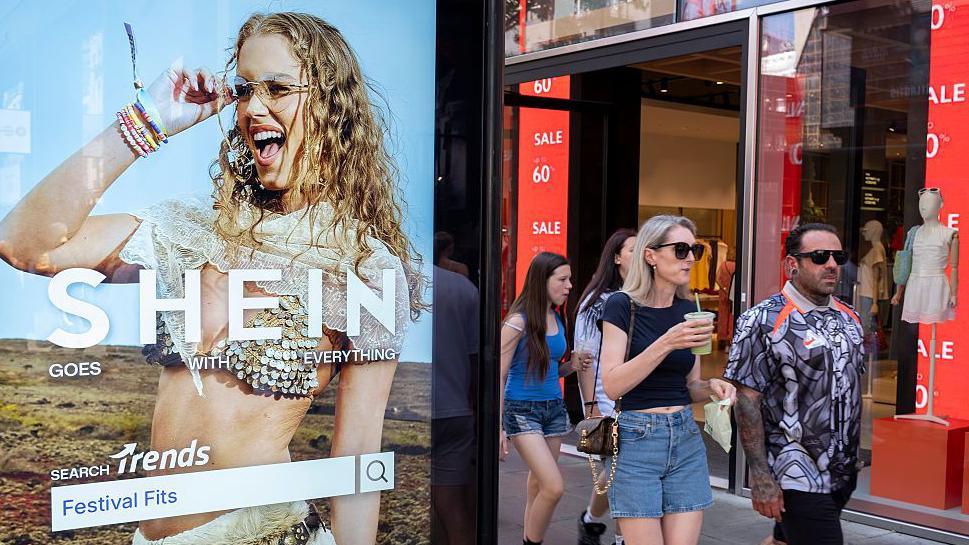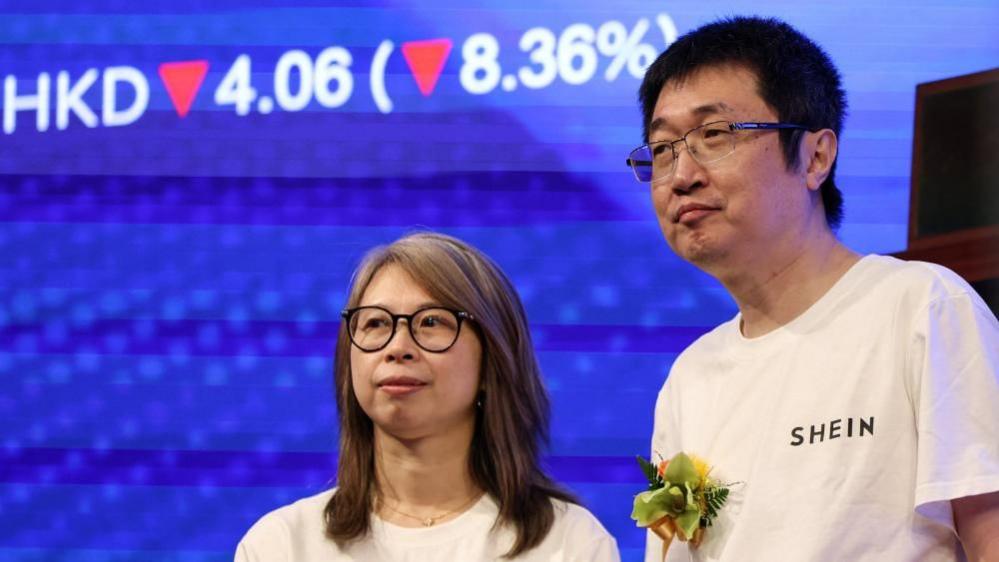

Shein, the ultra‑fast‑fashion chain, has been valued at $26.2 bn after its debut on the Hong Kong Stock Exchange. The company, which once was pegged at nearly $100 bn, finally achieved a public float following years of attempts to list in the UK and US, both of which were blocked due to trade tensions and scrutiny over its supply chain.
On its first trading day shares fell roughly 10 % in the early market before recovering to just 0.12 % lower at close. Shein priced its shares at HK$48.56 (US$6.21) and raised HK$13.6 bn (US$1.7 bn) for a market capitalisation of $26.3 bn, closing at $48.50 a share.
Chief financial officer Leigh Gui announced that the brand’s “fast‑fashion model” now reaches about 160 markets worldwide, with more than 273 million active customers and over a billion orders logged in the year to March 2026. Yet higher costs, supply‑chain audits and rising consumer expectations for ethical and ecological standards loom as headwinds.
The IPO coincides with trade‑rule changes: the US has moved to eliminate its $800 de‑minimis duty exemption, while the EU introduced a €3 tax on low‑value imports. These shifts, combined with tensions in the Iran war, have pressured sales and caused delays for retailers like Shein.
Market analysts note that competitors such as ASOS and Boohoo have also seen their shares fall amid regulatory challenges. Shein is now one of the few standalone e‑commerce firms that can be assessed on its own merits, but investors remain cautious due to questions about sustainability, labor conditions and design‑intellectual‑property claims.
As the company expands its fast‑fashion moat, regulators in the US and EU are investigating its business practices, while the brand’s future price competitiveness may be at risk if it cannot sustain its low‑cost model. The Hong Kong listing marks a new chapter for Shein, but its long‑term growth will hinge on navigating politics, economics and consumer values ahead of the next season.