Moscow Fuel Queues Grow as Ukrainian Strikes Hit Russian Refineries
On a rainy weekday in Moscow, drivers poured in to fill vehicles at dozens of petrol stations. Queues stretched for kilometres behind closed gutters, the only sign of shortage being the continuous screech of tires.
"I’m not happy," Yekaterina, a middle‑aged resident, told reporters at the first of many line‑ups. "There’s panic; everyone thinks the oil will run out," she added, yet she said it was ‘okay’ as long as the system could re‑organise distribution.
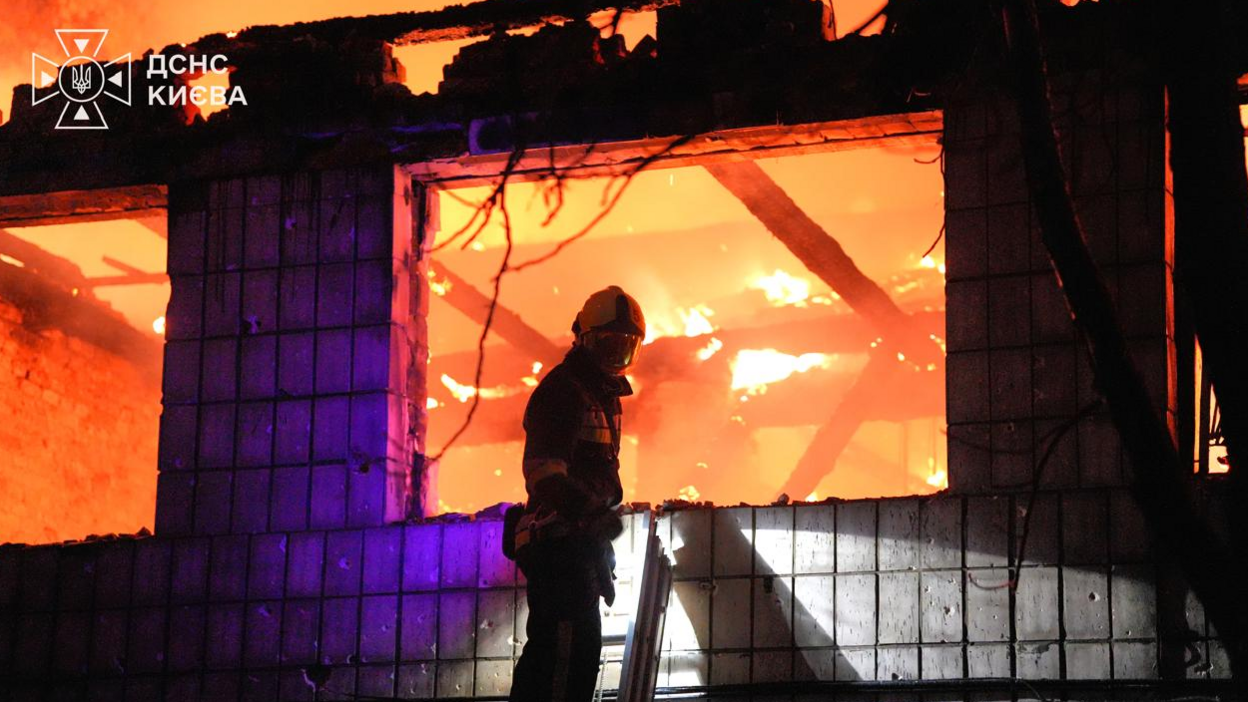
The crisis is not just local. Ukrainian missiles and drones have repeatedly struck Russian refineries, affecting production and fuel quality. The state enraged by this escalation has begun importing more fuel, subsidising retail prices, and permitting lower‑grade diesel that electricians warn may damage engines.
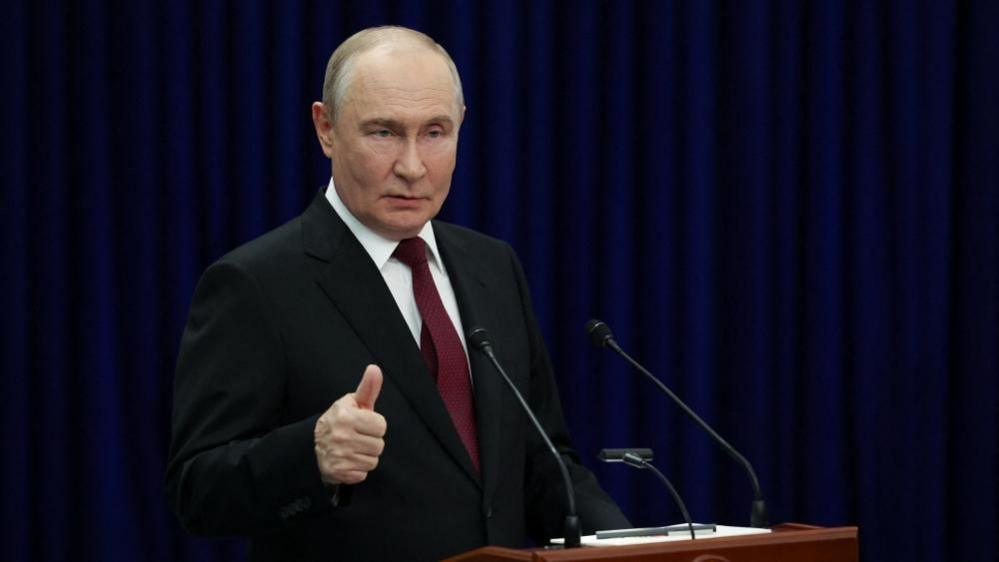
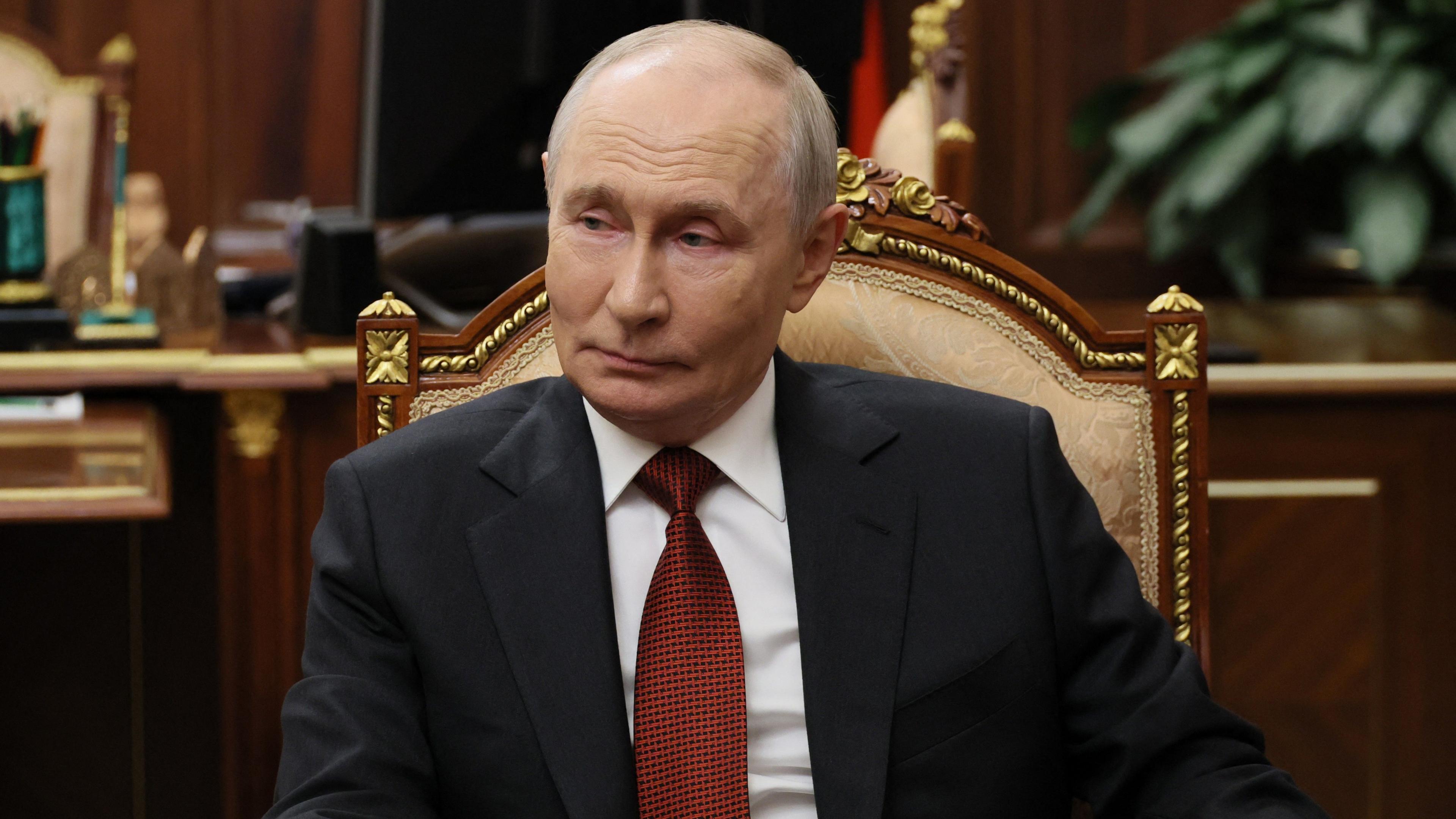
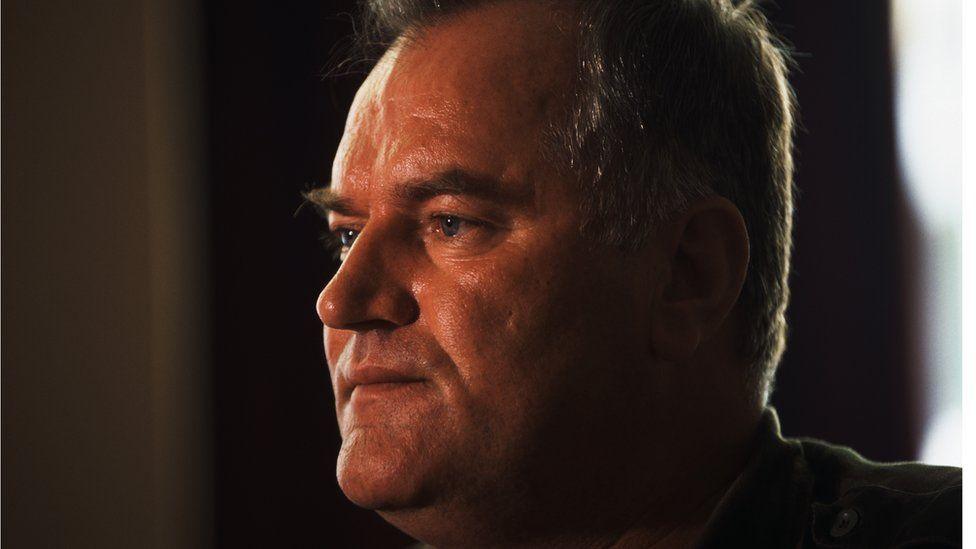
In a televised address, President Vladimir Putin acknowledged the problem but insisted it was “not critical.” However, independent polls from the Levada Center show his approval dropping to 74 percent, while confidence in Russia’s direction fell to 52 percent, the lowest since the war began.
Experts suggest the fuel shortage could be a game‑changer for Russia’s economy. Christopher Weafer of Macro Advisory noted that the costs of the conflict are climbing and that the crisis may dent growth for the rest of the year.
Despite the turmoil, Russian public opinion surveys reveal a reluctance to press for a policy shift. Nina Khrushcheva, a New School professor, warned that expecting the regime to change “is very far‑fetched.” Instead, the Kremlin appears to be doubling down, with President Putin meeting commanders in military fatigues and celebrating advances on the front.
The fuel crisis is now a daily reminder of the war’s reach, raising the question whether popular pressure will usher a change in strategy or whether the Kremlin will continue its hard‑line posture. For now, Moscow’s citizens stay in line, and the nation braces for what comes next.