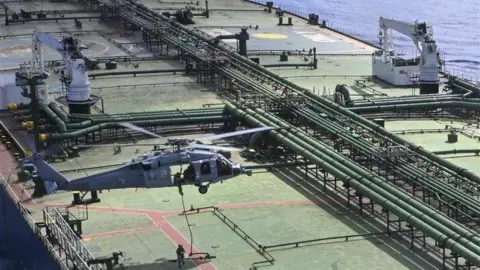
Slovenia has become the first EU member state to implement fuel rationing to tackle disruptions caused by the US-Israeli strikes on Iran and its retaliation on their allies in the Gulf, impacting major players in global energy markets.
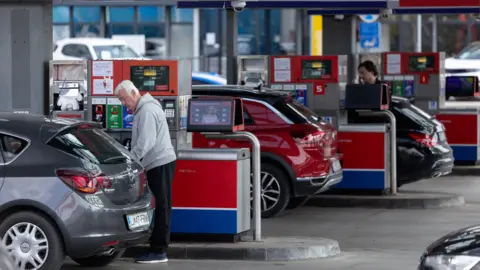
Amid rising fuel prices throughout Europe, Slovenia has noticed an uptick in fuel tourism as drivers from neighboring countries, especially Austria, take advantage of lower, regulated prices.
Under the new measures, private motorists in Slovenia will be limited to purchasing a maximum of 50 litres of fuel per day, while businesses and farmers can refill up to 200 litres. This decision comes amid reports of significant price disparities, with the cost of a litre of Euro-super 95 petrol in Austria nearing €1.80 compared to Slovenia's regulated price of €1.47, although this is set to rise soon.
Prime Minister Robert Golob reassured citizens that fuel supplies are adequate and there will be no shortages, despite some instances where petrol stations have run out of stock due to overwhelming demand.
The government is placing the responsibility of enforcement on petrol stations, requiring them to monitor purchases to ensure compliance with the new limits.
As the situation unfolds, Slovenia's measures against fuel scarcity highlight the challenges posed by geopolitical tensions and pricing disparities within the EU. While some Slovenians view foreign motorists as a nuisance causing supply shortages, others recognize the economic benefits brought by fuel tourists supporting local businesses.