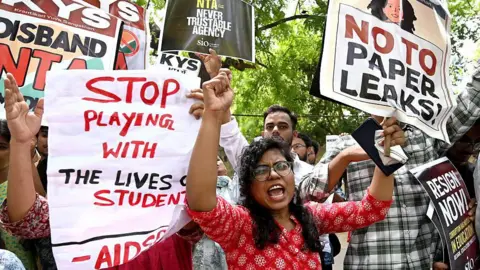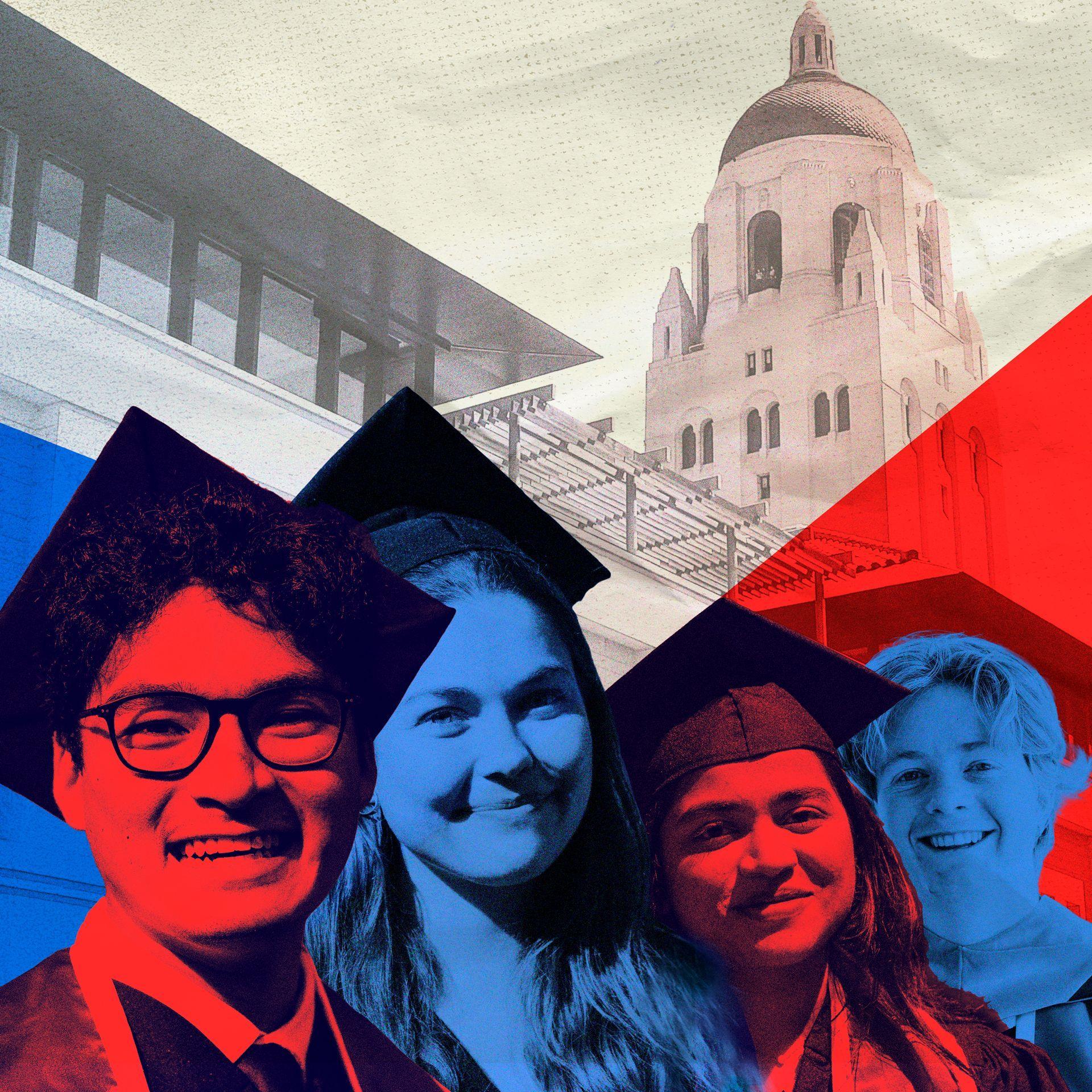
Stanford’s commencement ceremony turned into a flashpoint for student dissent when Governor Sundar Pichai, a former alumnus and current CEO of Google, briefly referenced artificial intelligence. In response, several graduates walked out, carrying signs that read "ICE spies with Google AI" and chanting for Palestine. The walk‑out highlighted a growing unease among young engineers, environmental scientists and other majors about the ethical, political and economic implications of AI.
Student Voices on AI
Some graduates see AI as a boon. Computer science student Ifdita Hasan, whose major focuses on AI, told reporters she is "optimistic" about the technology, adding that it could help humanity learn more about the universe. In contrast, Earth Systems major Atash Heil fears the rapid adoption of AI, arguing that it may threaten the creative process and risk environmental strain. Psychology major Colbey Harlan considers AI a useful tool but worries that it’s consuming too much energy and causing societal disruption.
Silicon Valley In Fix
Stanford is more than a top research university; it sits at the heart of Silicon Valley, a region that hosts the headquarters of Google, Meta and Apple. The close proximity has led to accusations that the university’s culture pushes students into AI‑driven careers, with some reports linking graduate internships directly to job offers from tech giants. Stanford’s alumni such as Larry Page and Sergey Brin became co‑founders of Google, and the university famously coined the term “artificial intelligence” in the 1950s.
Responses to the Protest
After the walk‑out, Pichai remained silent, allowing students to proceed with a quieter ceremony on campus. His reaction, critics say, reveals a disconnect between a tech leadership that profits from AI and the concerns of the next generation who will be living in its future. The incident is part of a broader trend of campus protests, including a 2024 demonstration led by pro‑Palestinian activist Mahmoud Khalil.
While the debate over AI continues, it is evident that Stanford’s new graduates are already grappling with its implications as they step into a rapidly changing job market. The resilience and optimism of some graduates contrast with the apprehension of others – an ambivalence that will shape the next wave of technology and policy decisions.