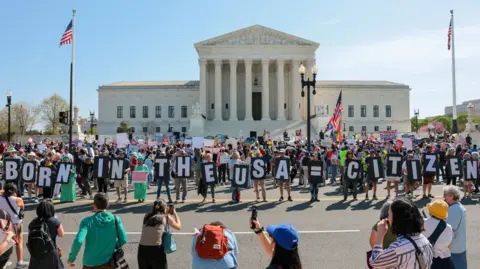
The Supreme Court has appeared sceptical of President Donald Trump's executive order limiting birthright citizenship, a sign the justices could strike down a key element of his immigration agenda.
A majority of the court seemed unconvinced the US should stop granting citizenship to children of undocumented immigrants and some temporary US visitors.
The administration has argued that limiting birthright citizenship is necessary to rein in illegal immigration. Opponents argue it would upend more than a century of precedent and unravel a cornerstone of US immigration law.
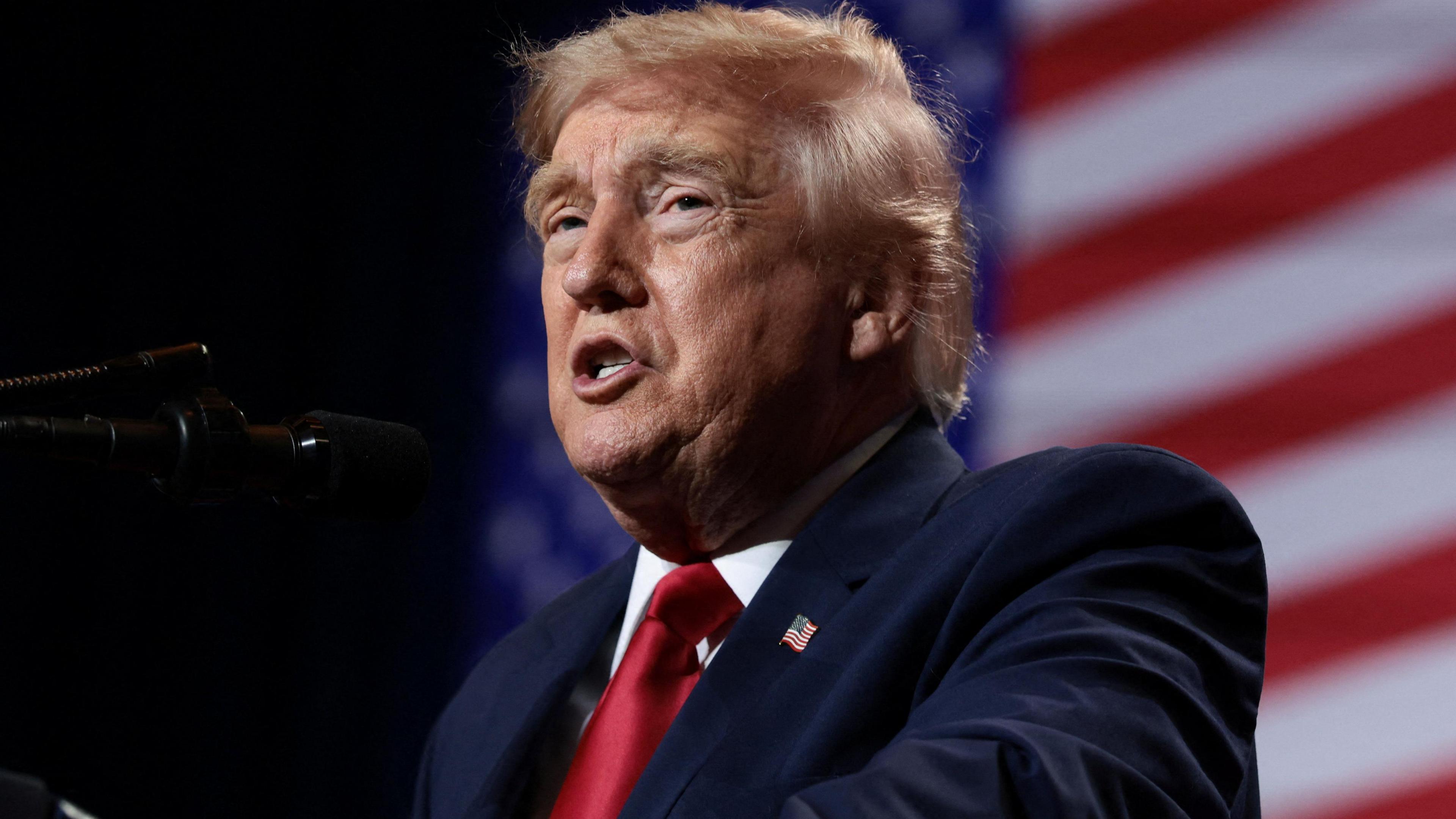
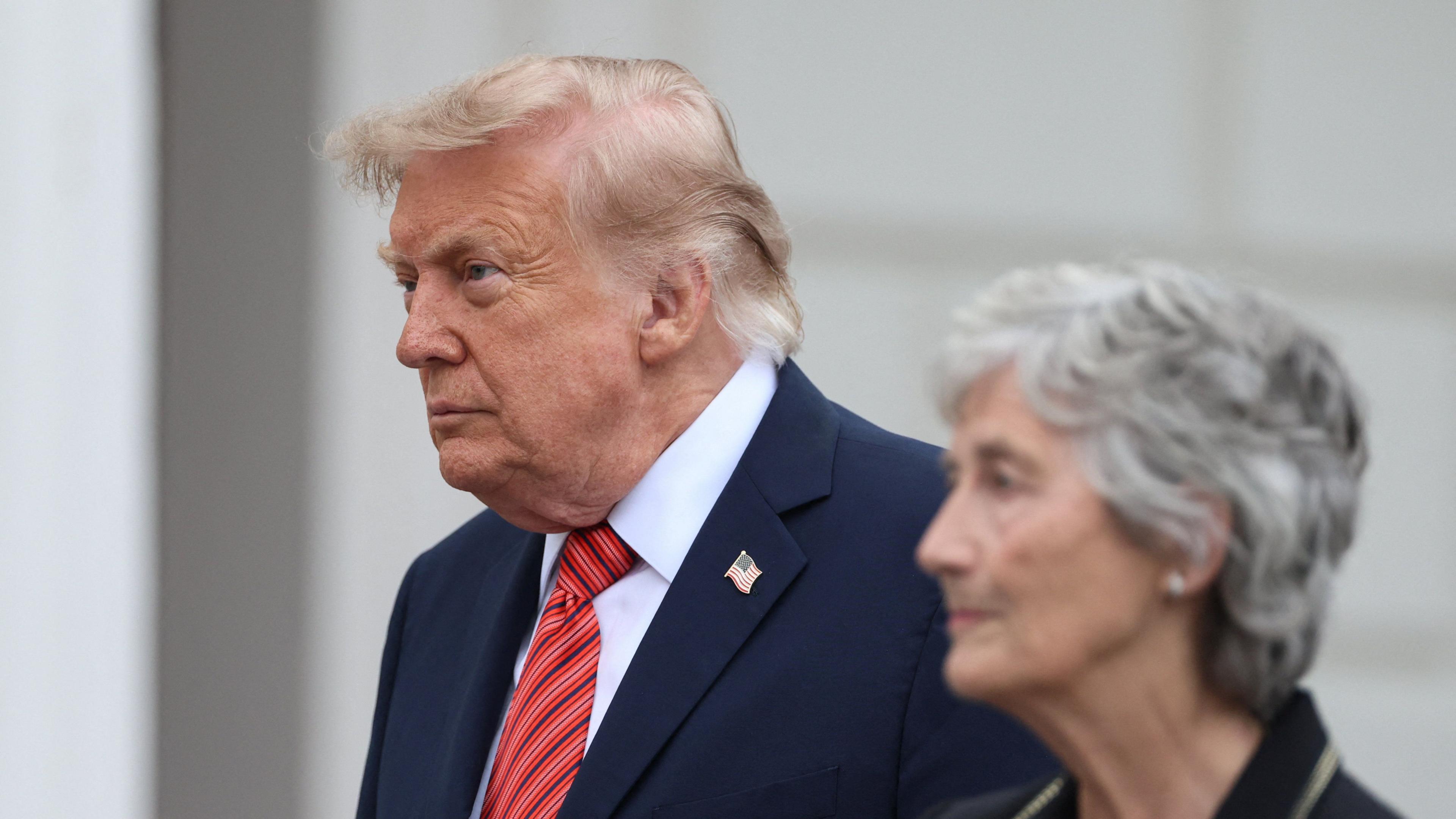
Trump attended the oral arguments on Wednesday, a rare move by a sitting president that underscored the case's high stakes.
A defeat for the Republican president would mark a second straight setback at the high court, following the decision last month that invalidated his global tariffs. A win would help Trump deliver on his pledge to reshape America's immigration policies.
During more than two hours of arguments, US Solicitor General John Sauer sought to convince the justices that the 14th Amendment - which establishes birthright citizenship and was extended to formerly enslaved people - and subsequent court rulings and laws passed by Congress all mistakenly expanded birthright citizenship.
Chief Justice John Roberts, a key swing vote on the court, questioned Trump's authority to exclude children of undocumented immigrants from receiving US citizenship. I'm not quite sure how you can get to that big group, Roberts said.
The oral arguments turned on a key clause in the 14th Amendment, which grants citizenship to all people born or naturalised in the US who are 'subject to the jurisdiction thereof'. Sauer argued that the clause should only apply to the children of foreign diplomats and a few other limited groups. Parents who are in the country illegally when their children are born have 'allegiance' to their home countries and therefore don't fall under the jurisdiction of US law, he said.
But several justices said that interpretation would fundamentally reshape how Americans and people worldwide understand the US birthright citizenship process. Justice Elena Kagan said the administration was seeking to undo a legal tradition of birthright citizenship that dates back to English common law.
Several justices also pointed to the 1898 Supreme Court ruling, United States v Wong Kim Ark, representing that it upheld birthright citizenship for a child born to Chinese immigrants living in the US. Cecillia Wang, an ACLU attorney representing the plaintiffs, used this precedent to argue that Trump's executive order should be overturned.
Whether the court issues a broad or narrow opinion is yet to be determined, as legal experts have noted the difference between a sweeping ruling on constitutional grounds versus a more tailored opinion on statutory grounds. The justices could choose to focus on a 1952 law passed by Congress that codified birthright citizenship and not wade into the larger constitutional debate.
The justices are expected to issue their decision in June, marking the first major immigration case decided by the court since Trump began his second term. Although the court has taken up other immigration cases, it has returned them to lower courts for further review.
Trump's push to end birthright citizenship is part of his larger immigration crackdown, a goal supported by many on the right since his initial campaign. A victory would further Trump's campaign to limit illegal immigration, while a loss may signal broader limitations on his executive power, particularly following recent judicial rebukes.
Trump expressed his views on birthright citizenship following the court session, inaccurately claiming that the US is unique in allowing such citizenship. He suggested that this tradition was meant for certain individuals after the Civil War and not for others, illustrating the contentious nature of this ongoing legal battle.