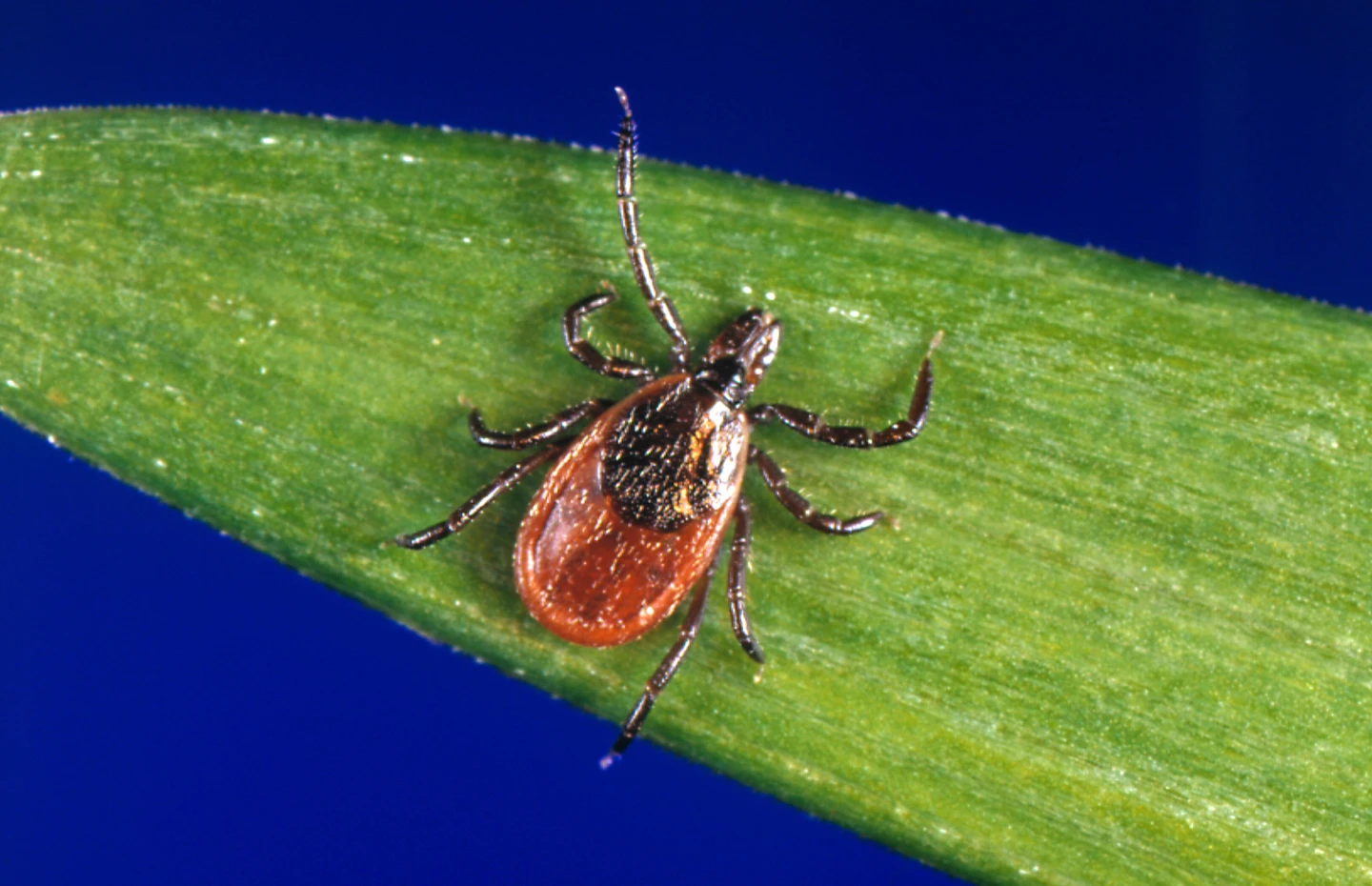
NEW YORK — Tick season appears to be starting earlier and more intensely than expected, with a notable rise in bites reported nationwide.
Healthcare professionals are expressing concern about the implications of this spike for tick-borne illnesses this year. “The likelihood of infections increases with more tick exposure,” stated Dr. Alina Filozov, an infectious disease specialist in Connecticut.
The Centers for Disease Control and Prevention (CDC) issued a public advisory earlier this week stressing the importance of precautions against ticks. While tick bites usually peak in May, Alison Hinckley, a Lyme disease expert from the CDC, emphasized, “Current data indicates that action is necessary now; ticks are active and cases are increasing.”
Emergency Room Visits Surge
Preliminary data shows emergency room visits due to tick bites are currently at their highest levels for this time of year since 2017 across most regions of the United States, barring the south-central area.
Approximately 85% of emergency departments in the U.S. report to a tracking system managed by the CDC, although the data does not include individuals who do not seek medical treatment.
Comprehensive tick population studies will take months, and medical professionals need time to determine if there is an actual increase in tick-borne diseases, as not all bites result in infections.
The Dangers of Ticks
Ticks, which are arachnids rather than insects, pose health risks by transmitting various diseases, including Lyme disease, Rocky Mountain spotted fever, and a red meat allergy known as alpha-gal syndrome. Lyme disease remains the most prevalent tick-related illness, with the CDC estimating that around 476,000 individuals are treated annually for it. Treatment typically involves antibiotics.
This year has seen a notable prevalence of adult ticks in the Northeast, but juvenile nymphs are expected to appear in the coming weeks, elevating infection risks due to their smaller size, which makes them harder to detect.
Connecticut's Tick Crisis
Connecticut, a state historically linked with Lyme disease, reported that residents have been submitting an average of 30 ticks per day for analysis, with 40% testing positive for Lyme disease-causing bacteria.
Scott Williams, a tick researcher in Connecticut, noted that increased rodent populations over the past two years have contributed significantly to the expanding tick population, and wildlife biologist Megan Linske warned that the situation is likely to worsen.
Preventative Measures Against Tick Bites
Experts recommend exercising caution when outdoors, particularly in wooded or grassy areas where ticks thrive. Wearing light-colored clothing, utilizing EPA-registered insect repellents, and avoiding walking too close to vegetation can help reduce tick encounters.
If a tick is found, it should be removed promptly. Medical attention is advised only if the tick has been attached for an extended period or symptoms develop.
The uptick in tick activity serves as a reminder to remain vigilant during outdoor activities as they enter warmer months.