
Canada has indefinitely suspended its plan to widen medically assisted dying – known as MAID – to people whose sole medical condition is mental illness.
The decision follows a parliamentary panel recommendation earlier this year that the expansion should not proceed, and comes amid a pending federal court case challenging the government’s earlier withdrawal of the measure.
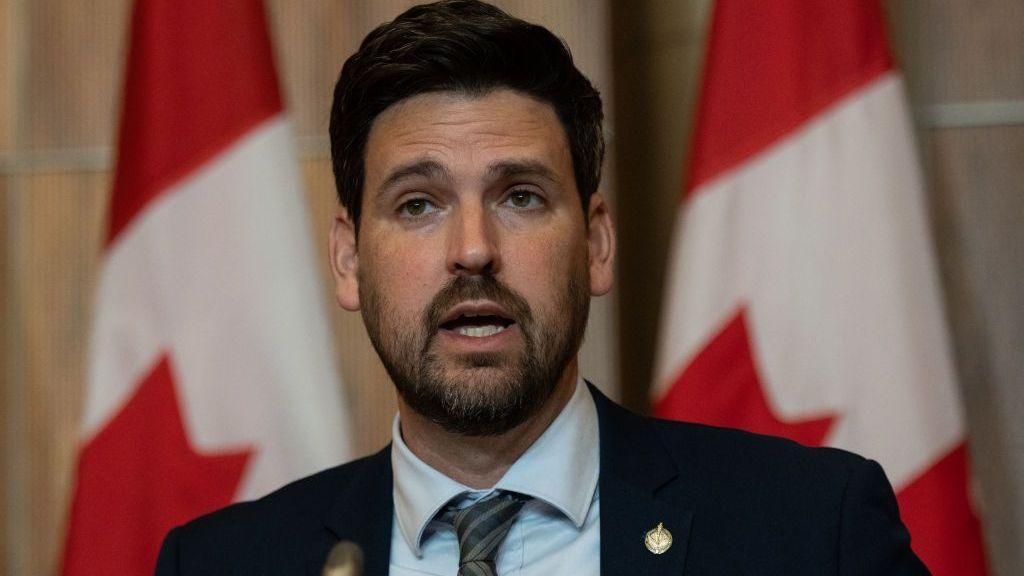
Justice Minister Sean Fraser told reporters that “while there is not a perfect consensus on this issue, we believe this is the correct approach at this particular time.” He added that a Supreme Court review may take place in the future.
Supporters of the expansion argue that excluding people with purely psychiatric conditions violates constitutional rights and cuts off a crucial end‑of‑life option. A prominent advocacy group, Dying with Dignity, called the government’s decision “profoundly disappointing.”
The ruling also arrives on the anniversary of a report by a parliamentary committee that urged Canada to “indefinitely exclude persons whose sole underlying medical condition is a mental illness” from MAID, citing uncertainty in diagnosing irreversibly severe mental illness.
The new legislation the government is drafting will keep the existing MAID program in place for terminal, incurable physical illnesses, while also introducing a provision for advanced consent. Under the proposal, patients with a progressing incurable disease would be able to give consent before their health deteriorates to a point that makes it impossible to decide. The final authority on how these policies are implemented will rest with individual provinces.
Claire Brosseau, a woman with treatment‑resistant bipolar I disorder and a key participant in the federal court challenge, said to the BBC that assisted dying would provide her “a safe death.” Her lawyer, Michael Fenrick, warned of a long legal battle that would prolong her suffering.
"People will continue to suffer intolerably while the case goes through the courts," Mr. Fenrick told the BBC.
The controversy reflects a broader debate over whether Canada’s MAID programme serves as a last resort or a means to address gaps in mental health care, housing and affordable services. A poll cited in the report indicates that while a majority of Canadians support access to medically assisted death, support falls markedly when the patient’s condition is mental illness alone.
The government’s pause is expected to shape the trajectory of Canadian assisted dying policy for the foreseeable future, with an eye toward clearer diagnostic criteria, stronger safeguards and ultimately a balance between individual autonomy and the protection of vulnerable populations.