The Trump administration announced on Tuesday that it will end Temporary Protected Status (TPS) for Somali immigrants, marking another significant move in the administration's broader immigration enforcement agenda. The termination affects hundreds of individuals who have been granted TPS in the United States, which was initially designed to protect those fleeing unstable or unsafe conditions in their home countries.
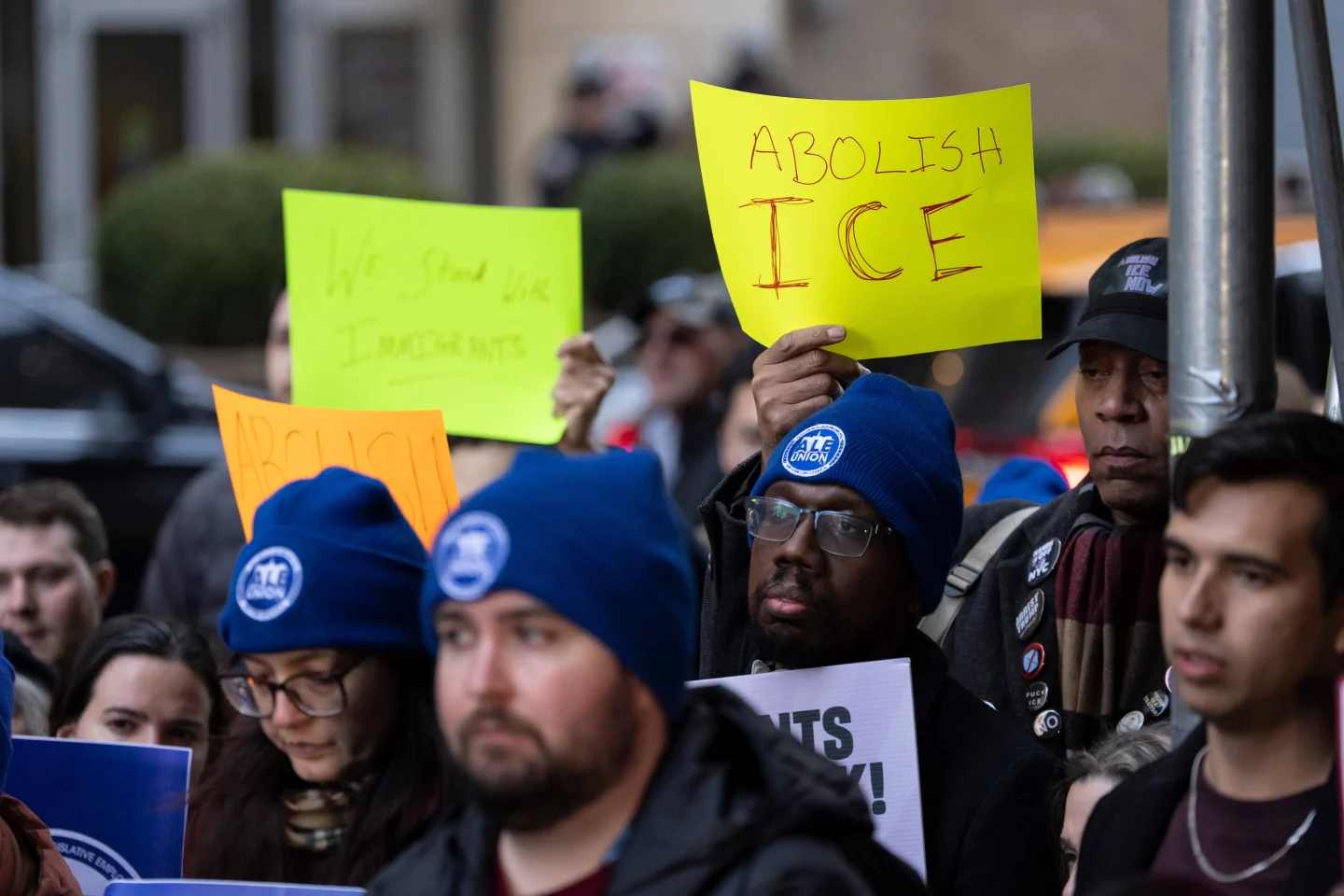
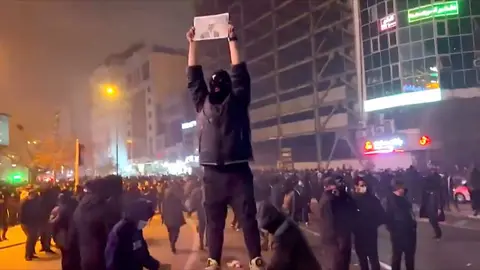
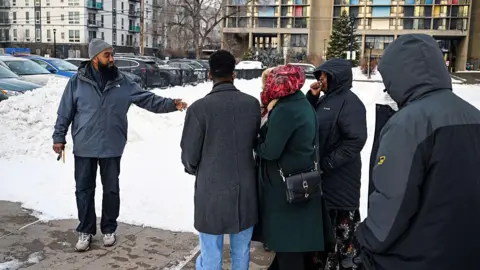
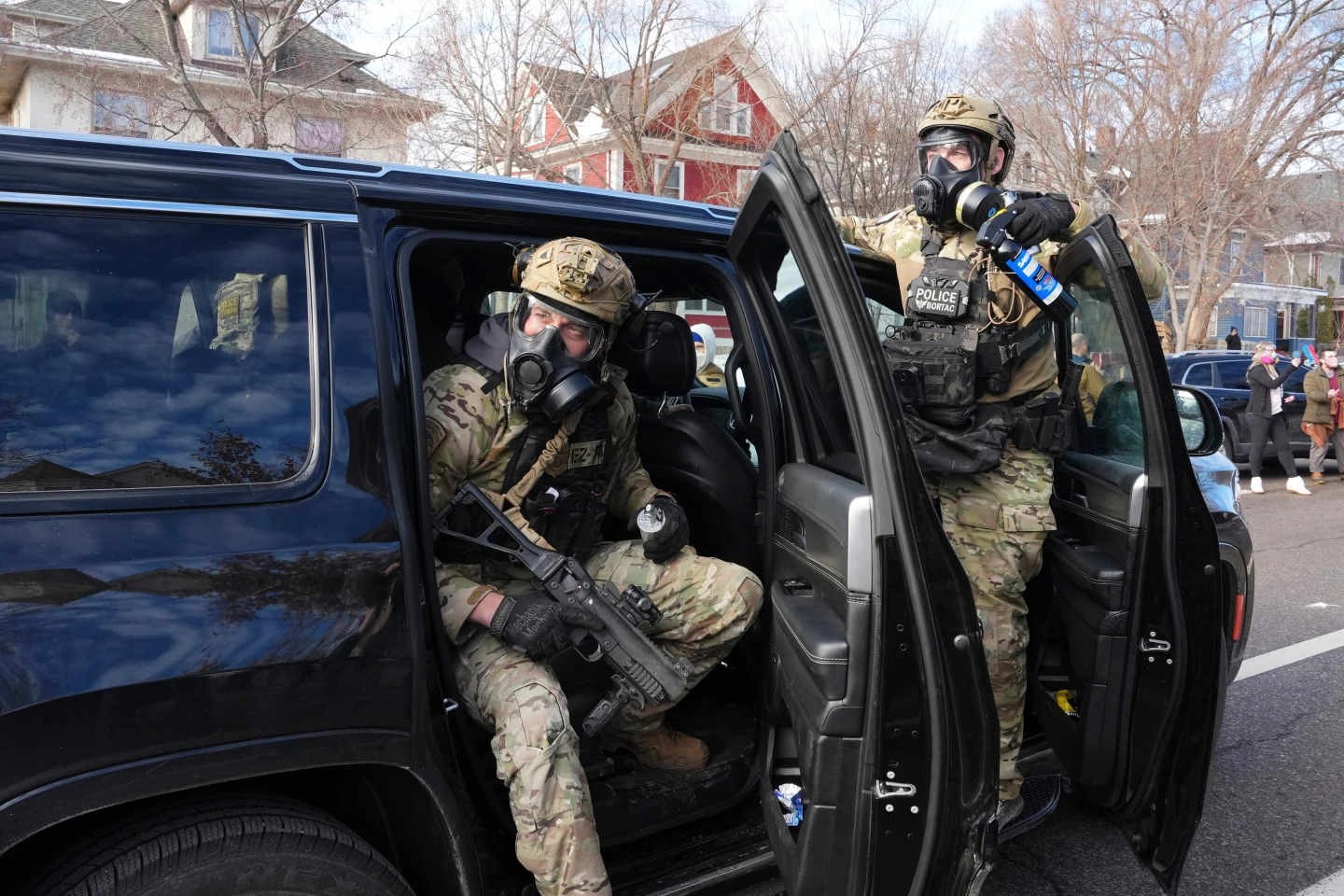
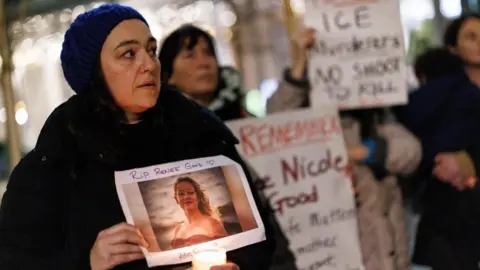
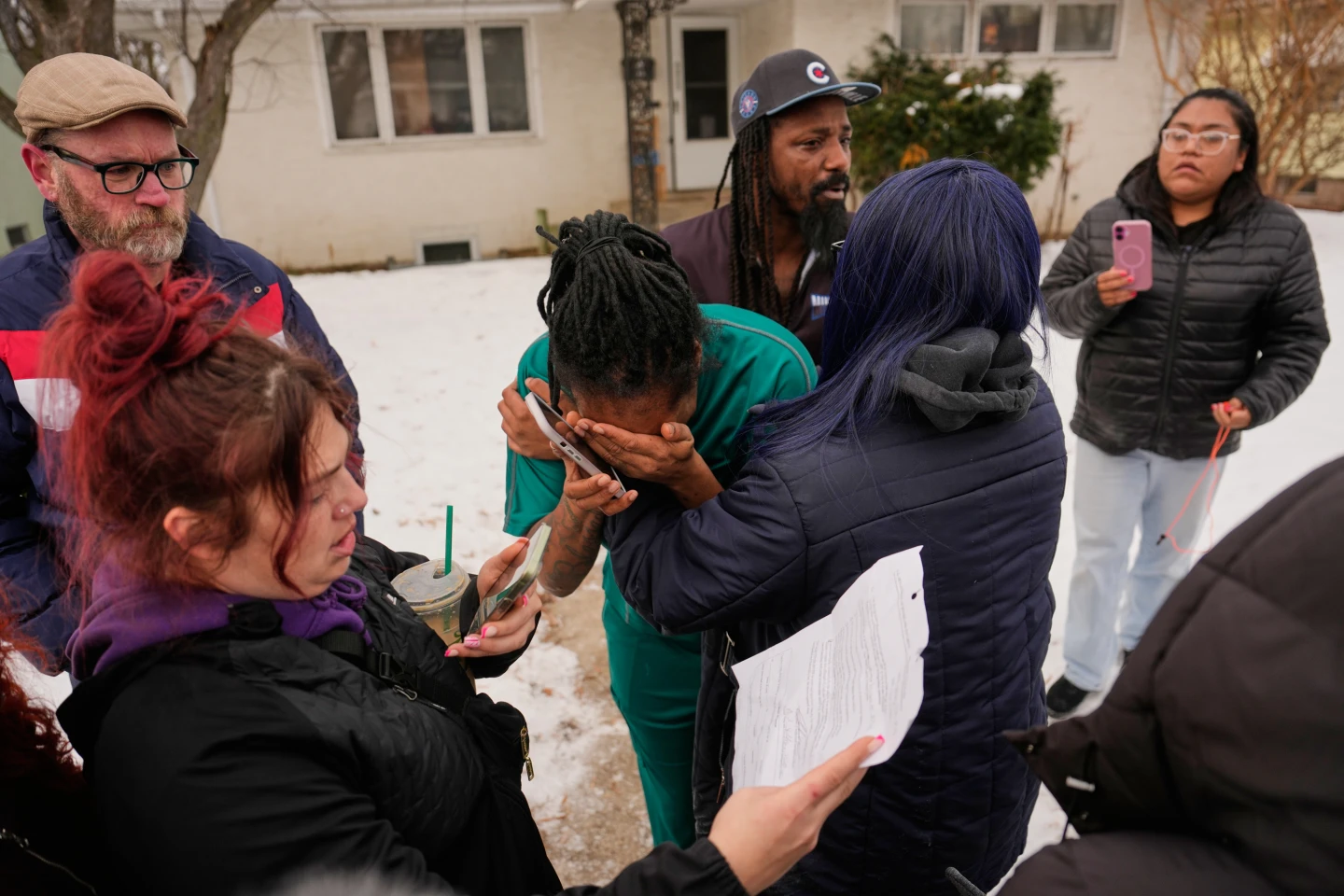
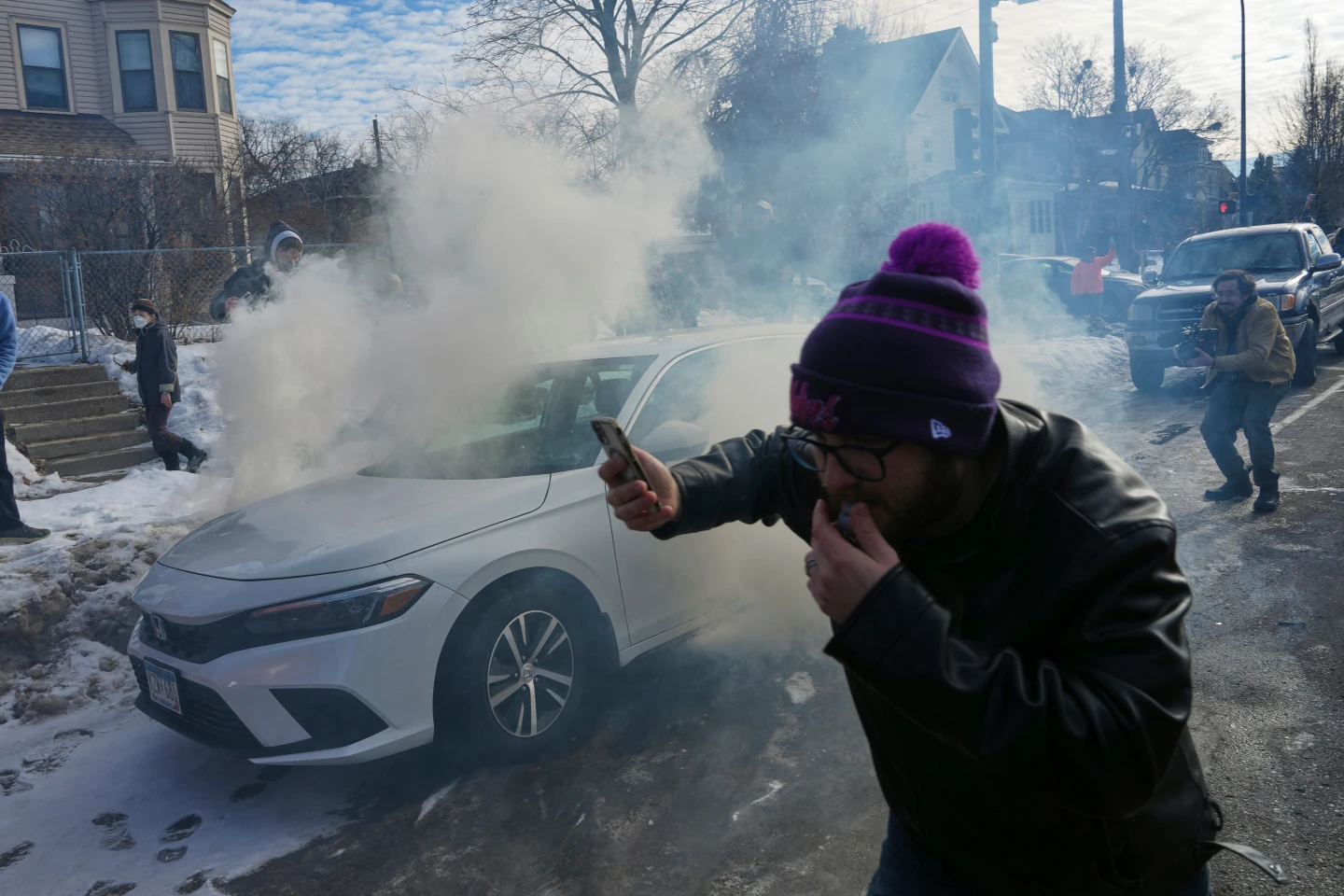
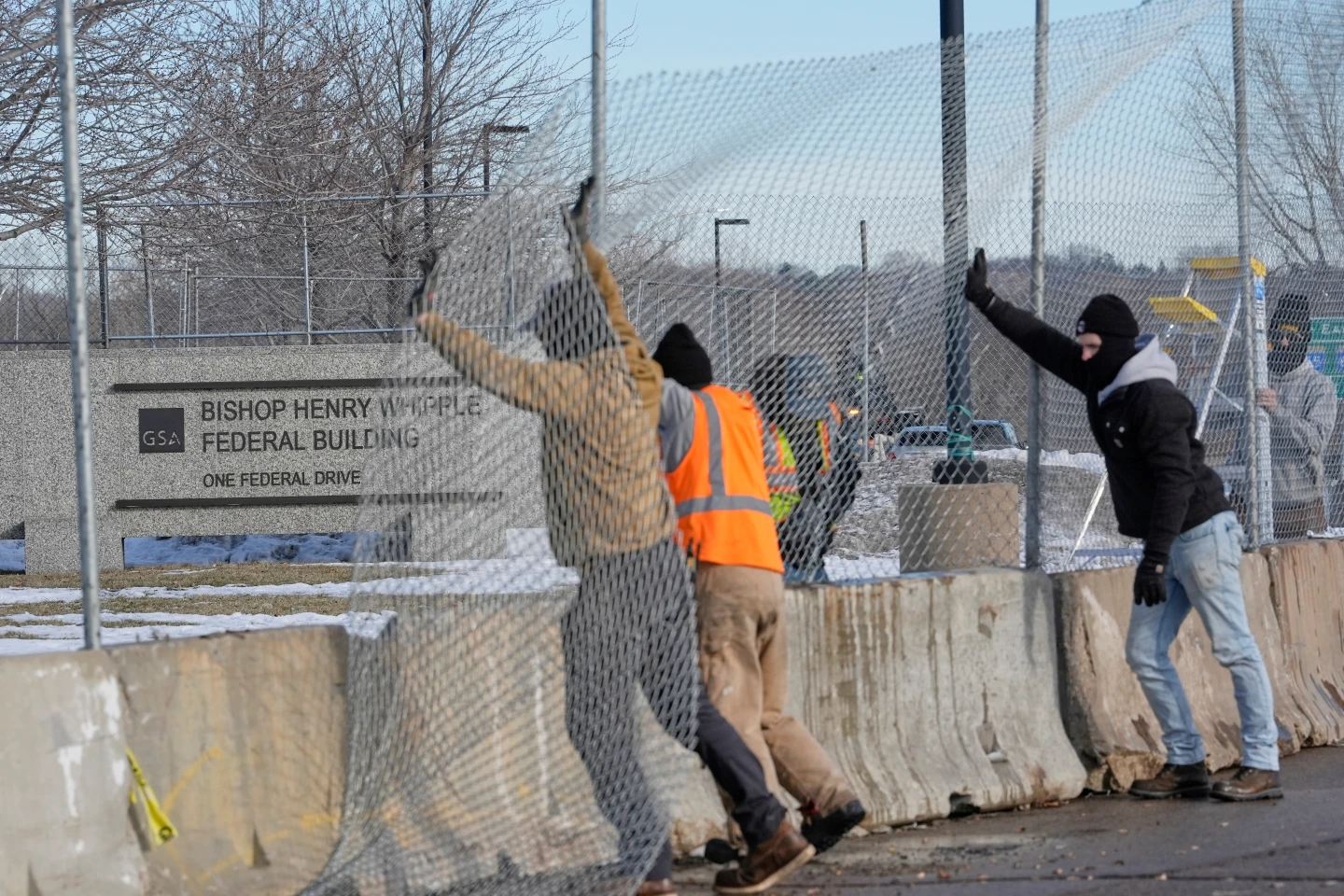
This announcement comes at a time of increased immigration crackdowns, particularly in Minneapolis—a city known to have a substantial population of Somali immigrants. Protests have surged in recent weeks following a controversial incident involving an ICE agent and the killing of a U.S citizen during demonstrations against federal immigration enforcement.
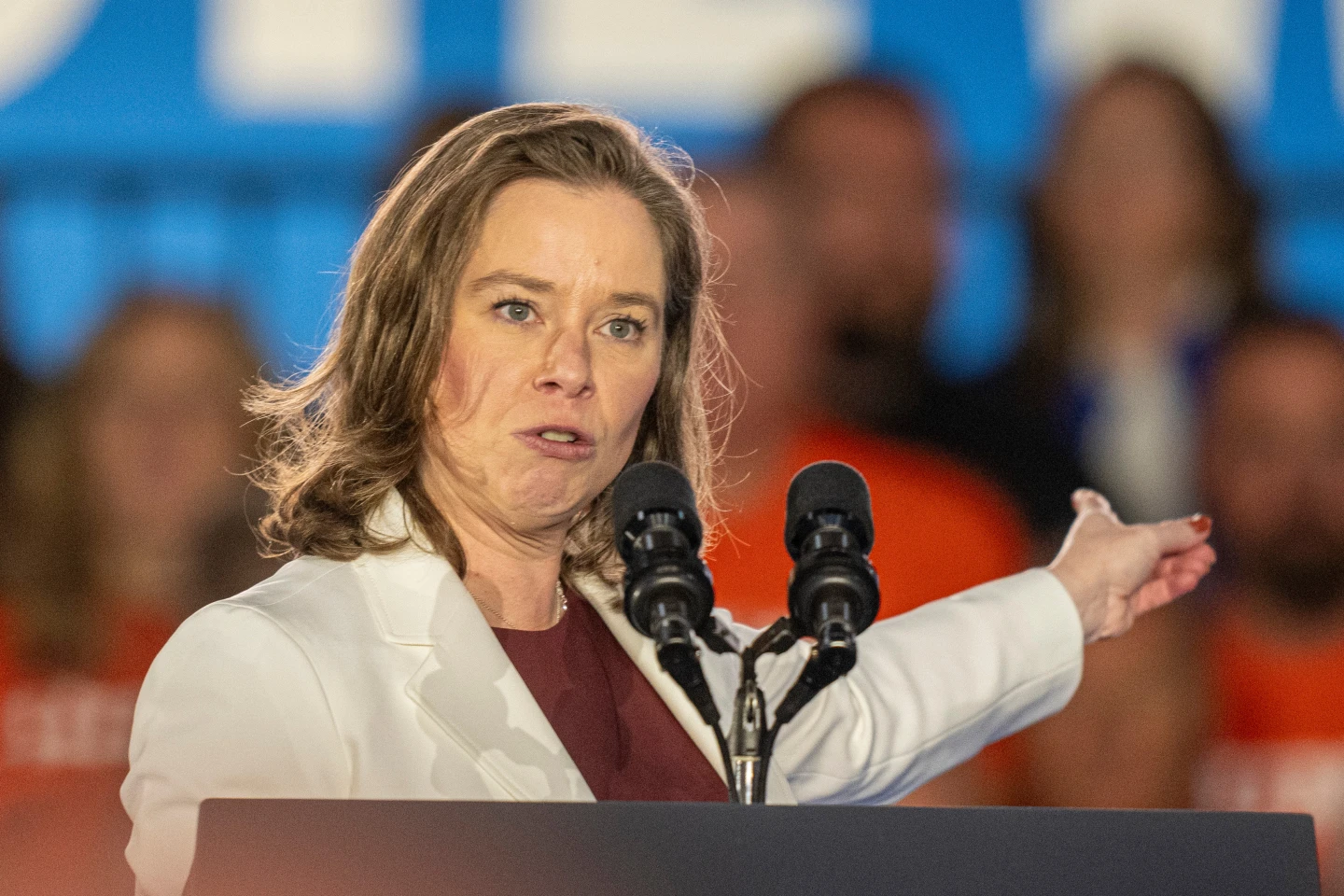
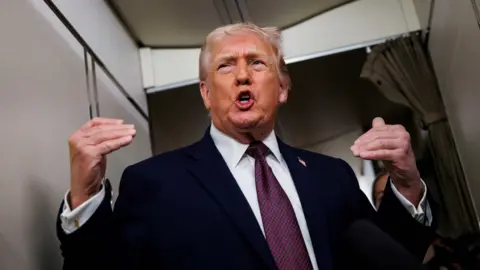
Secretary of Homeland Security Kristi Noem stated that impacted Somalis must leave the U.S. by March 17, the date when existing TPS protections will expire. Temporary means temporary, she asserted, emphasizing the administration's commitment to putting 'Americans first.'
The Congressional Research Service reported that only 705 Somali TPS holders remain from a pool of nearly 1.3 million total TPS recipients in the U.S. The origins of the status date back to 1990 when Congress established it to assist individuals from countries experiencing civil strife or natural disasters. Somalia has had TPS designation since 1991, with the most recent extension granted by the Biden administration in July 2024.
Noem has defended the decision, arguing that conditions in Somalia have sufficiently improved such that it no longer meets criteria for TPS. However, many believe that Somalia's socio-economic conditions have not improved significantly, citing ongoing violence and natural disasters like severe droughts that continue to afflict the region.
The termination has reignited debates surrounding the future of TPS and the experiences of immigrants in the U.S., particularly in light of the historical impact of the Trump administration's immigration policies, characterized by heightened scrutiny and deportations. Many Somali-Americans and their advocates have painted the narrative as one of protection and stability for communities under threat, as opposed to the administration's claim of prioritizing American citizens.
This news continues to evolve, and many advocates are calling for federal protections that reflect the realities on the ground in countries like Somalia, where conflict and insecurity remain prevalent.