President Donald Trump Says He Loves Inflation as Prices Reach Fastest Rise in Three Years
The United States Consumer Price Index (CPI) showed a 4.2 % year‑over‑year rise for May, its sharpest increase in three years. President Trump greeted the figure by saying he “loves the inflation.” He noted that these higher prices are driven mainly by a surge in energy costs linked to tensions involving the United States, Israel and Iran.
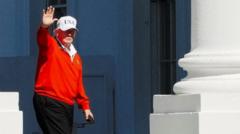
“I love it. The numbers were great. You know what I really love? I love the inflation,” said Trump at the White House.He promised that rising prices would “come down like a rock” once the war with Iran ends.
Trump also claimed that U.S. forces had taken “millions of barrels” of oil from Iran, helping to curb a small bump in oil prices. He pointed to a trip to Iowa earlier in 2026 where he claimed gas prices dropped to $1.85 per gallon and said similar levels would return soon.
Meanwhile, the global benchmark for oil, Brent crude, remains significantly above pre‑war levels, adding pressure to U.S. consumers.
The inflation figures were driven by higher energy costs after the U.S. struck Iran, causing the country to temporarily shut down the Strait of Hormuz—an artery that carries roughly a fifth of the world’s oil and gas.
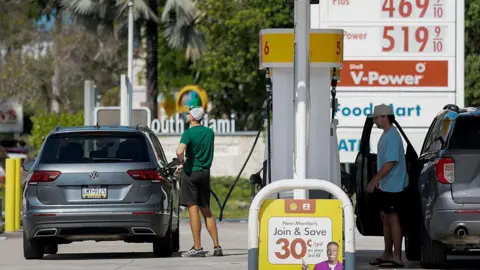
Not only petrol prices rose—from $2.98 on February 28 to $4.15 per gallon today—but so did airfare, medical and personal care costs, compounding the cost‑of‑living squeeze for American households.
According to economists, the full normalization of oil flows through the Strait of Hormuz could take until 2027, even after hostilities cease, further supporting higher prices for the near future.
Trump had pledged during his 2024 campaign that slashing inflation would be “at the heart” of his agenda. However, his comments came under fire from critics in Congress and social media, including Senator Chuck Schumer’s tweet labeling Trump’s rhetoric “an insult to American voters.”
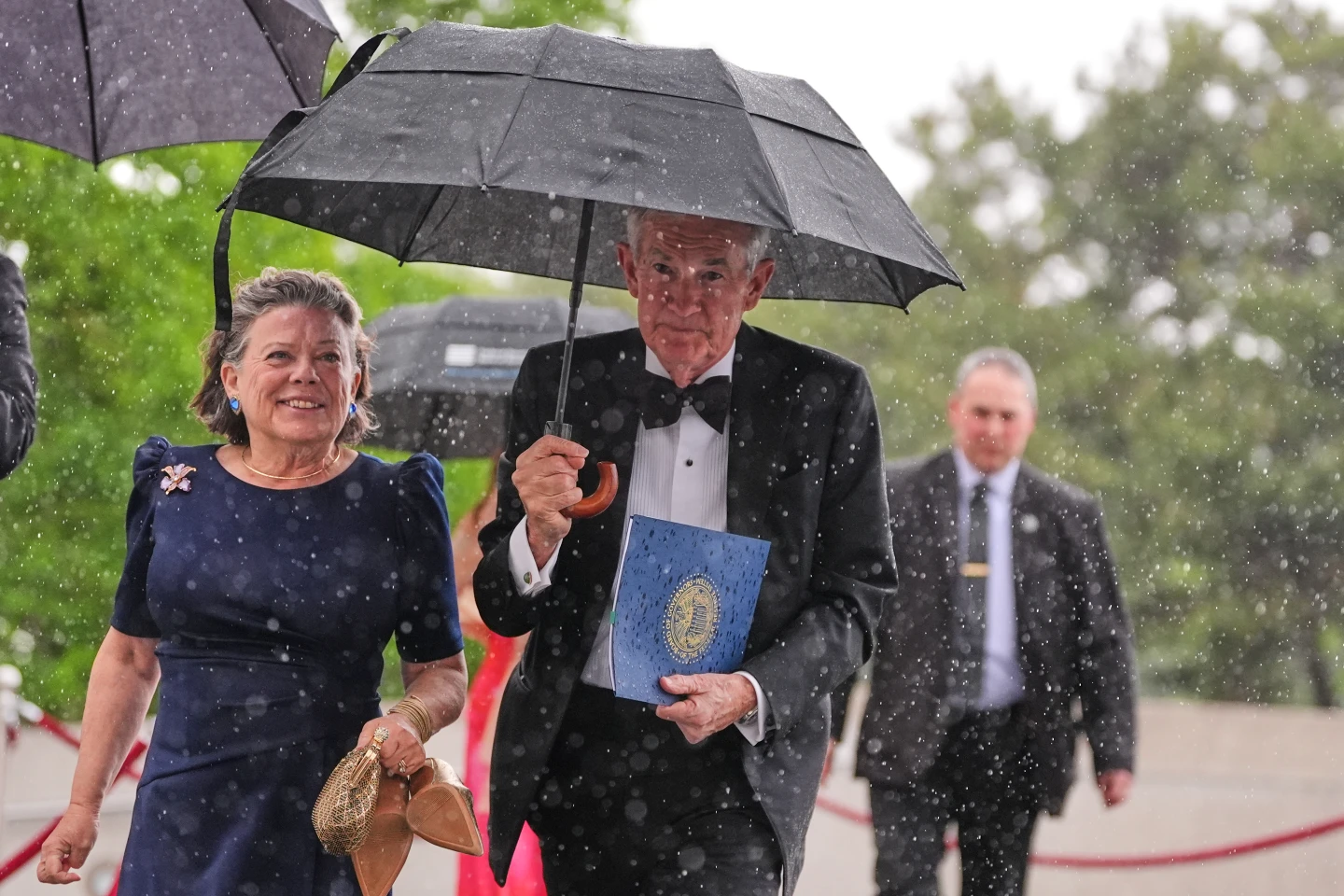
The Federal Reserve is now set to consider new governor Kevin Warsh’s upcoming rate decision. While the Fed’s long‑term target is 2 %, the 4.2 % CPI, coupled with strong job growth, has prompted economists to caution that interest rates could rise soon to cool the economy.
Economists alike remain divided: one notes that May’s rise isn’t “large enough to prove any ammo” for hikes, while another argues that the data, plus robust employment numbers, make a rate increase the “most logical conclusion.”
The next several weeks will be crucial as the U.S. balances the political pressure of a high‑inflation environment with the imperative to avoid a premature policy shift that could derail the post‑war economic recovery.