A fragile cease‑fire between U.S. forces and Iran has survived since 8 April, but the next step ahead is a 60‑day pause that could set the stage for deeper talks on Iran’s nuclear program.
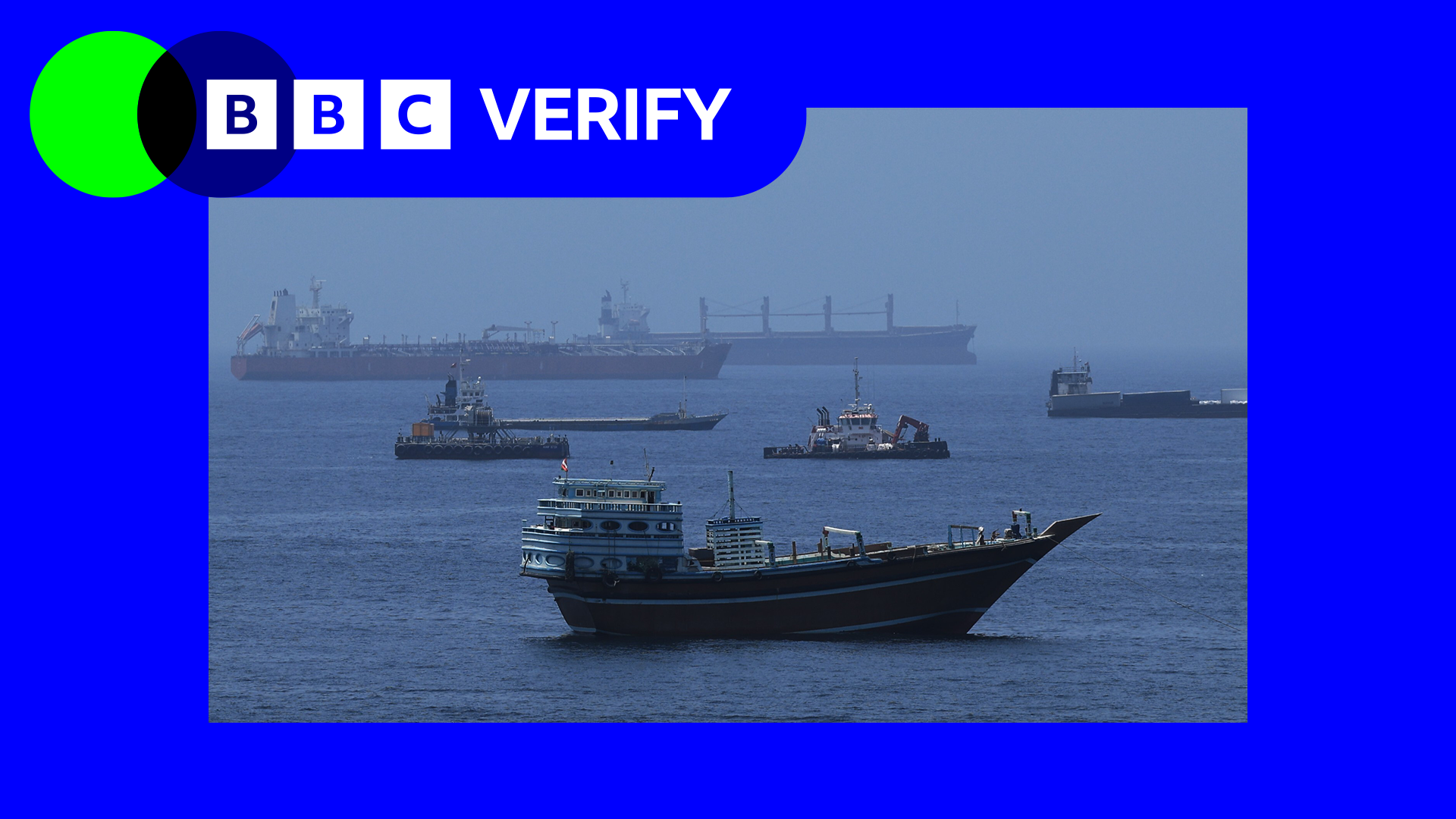
Negotiators on both sides have agreed on a broad framework that would extend the current cease‑fire by two months. According to U.S. officials, the draft also calls for lifting the American naval blockade of Iranian ports, withdrawing troops from the immediate vicinity of Iran, and allowing the unrestricted passage of merchant ships through the Strait of Hormuz – a critical choke‑point through which one‑fifth of the world’s liquefied natural gas and oil passes.
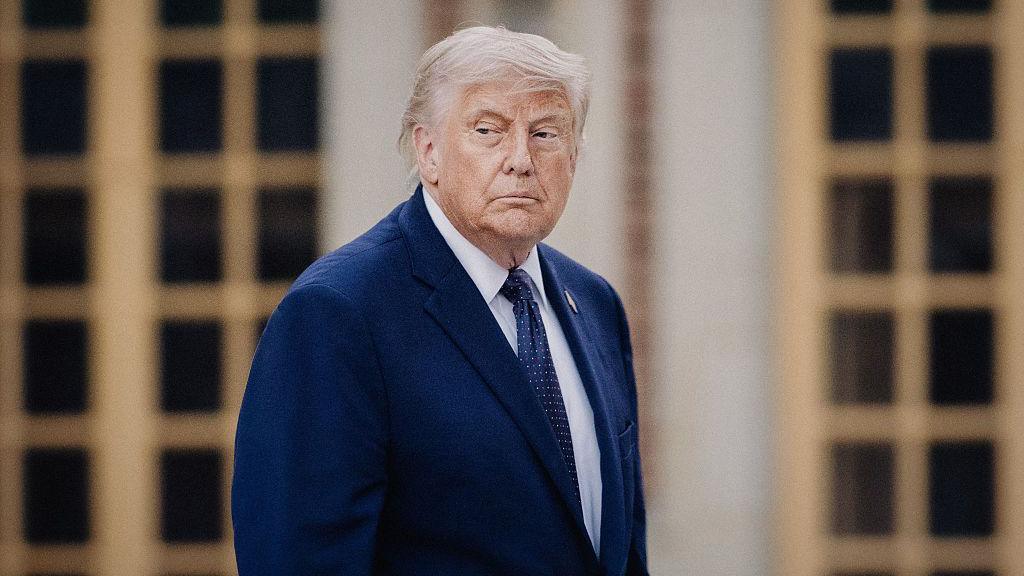
The deal remains in draft form. President Trump has yet to give final approval, and Tehran’s leadership has not yet confirmed the plan. While Trump has repeatedly said the talks are progressing, he has warned that “option B” – a return to combat operations – remains on the table.
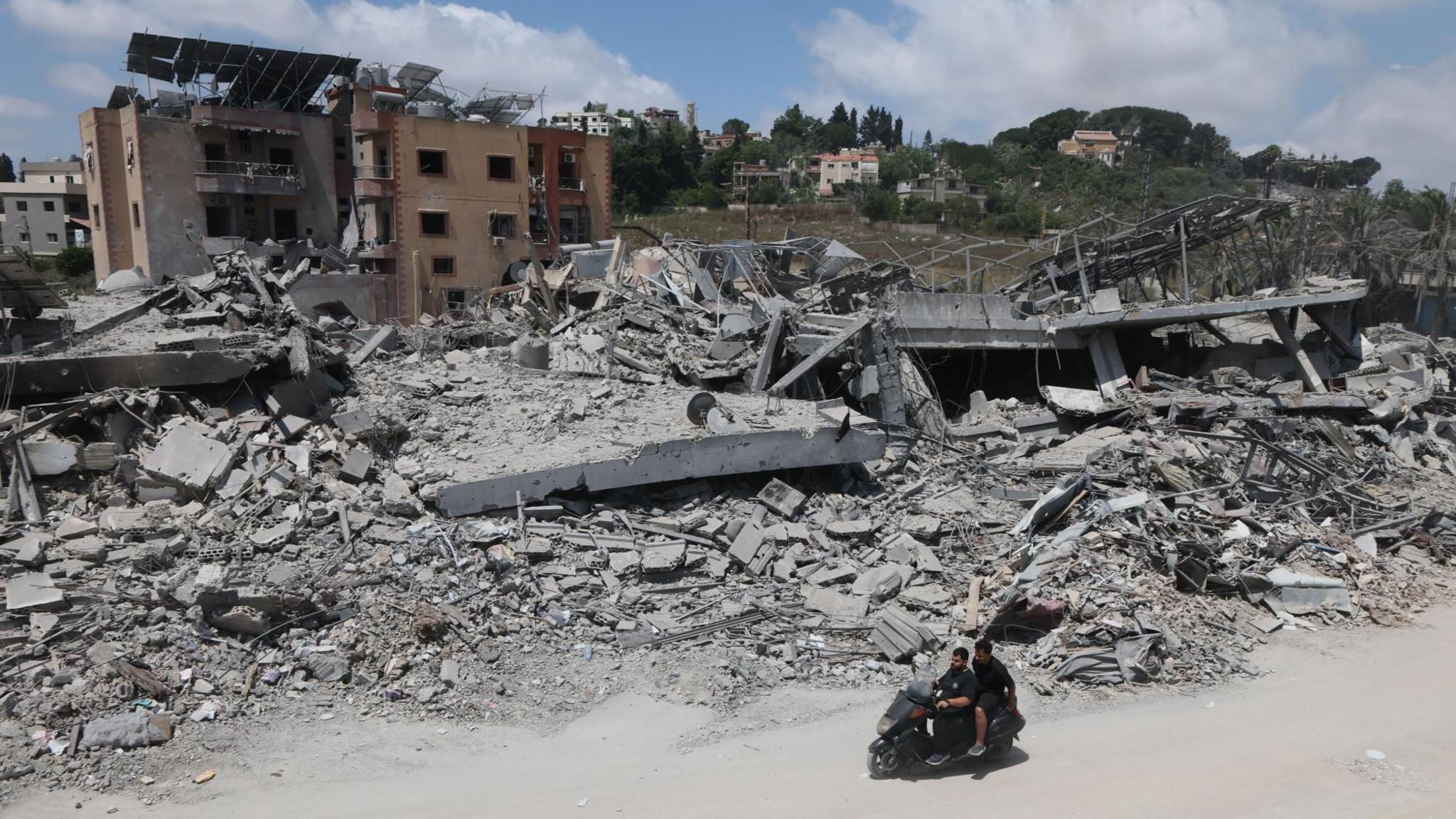
At the same time, tensions are escalating. Iran’s Islamic Revolutionary Guard Corps fired at a U.S. base after a fresh round of American strikes, and both sides have accused each other of breaching the fragile cease‑fire.
The proposed memorandum of understanding (MOU) would also give Iran 30 days to remove mines from the Strait of Hormuz, lift its blockade, and resume sanctions‑free oil sales. The U.S. would in turn ease sanctions and allow non‑military traffic to resume.
Treasury Secretary Scott Bessent, who briefed the White House, declined to confirm that an agreement had been signed, insisting that the final verdict lies with President Trump. He emphasized that negotiations must finish before any “reconstruction” or broader peace terms can be discussed.
While the Iranian side has dismissed the draft as a “complete fabrication,” the move signals a potentially significant shift. An official U.S. source confirmed that the plan has moved closer to being finalized than at any point during the six‑week cease‑fire, which could affect global oil markets and diplomatic relations.
The next few days will be crucial. Should Trump sign off, both nations would gain a window to tackle the more complex issues surrounding Iran’s stockpile of highly enriched uranium. If the deal stalls, the window for diplomatic progress may close, and the risk of renewed hostilities rises.
For now, Washington and Tehran stand at a diplomatic crossroads, and the world watches closely as a tentative cease‑fire extension hangs in the balance.
Negotiators on both sides have agreed on a broad framework that would extend the current cease‑fire by two months. According to U.S. officials, the draft also calls for lifting the American naval blockade of Iranian ports, withdrawing troops from the immediate vicinity of Iran, and allowing the unrestricted passage of merchant ships through the Strait of Hormuz – a critical choke‑point through which one‑fifth of the world’s liquefied natural gas and oil passes.
The deal remains in draft form. President Trump has yet to give final approval, and Tehran’s leadership has not yet confirmed the plan. While Trump has repeatedly said the talks are progressing, he has warned that “option B” – a return to combat operations – remains on the table.
At the same time, tensions are escalating. Iran’s Islamic Revolutionary Guard Corps fired at a U.S. base after a fresh round of American strikes, and both sides have accused each other of breaching the fragile cease‑fire.
The proposed memorandum of understanding (MOU) would also give Iran 30 days to remove mines from the Strait of Hormuz, lift its blockade, and resume sanctions‑free oil sales. The U.S. would in turn ease sanctions and allow non‑military traffic to resume.
Treasury Secretary Scott Bessent, who briefed the White House, declined to confirm that an agreement had been signed, insisting that the final verdict lies with President Trump. He emphasized that negotiations must finish before any “reconstruction” or broader peace terms can be discussed.
While the Iranian side has dismissed the draft as a “complete fabrication,” the move signals a potentially significant shift. An official U.S. source confirmed that the plan has moved closer to being finalized than at any point during the six‑week cease‑fire, which could affect global oil markets and diplomatic relations.
The next few days will be crucial. Should Trump sign off, both nations would gain a window to tackle the more complex issues surrounding Iran’s stockpile of highly enriched uranium. If the deal stalls, the window for diplomatic progress may close, and the risk of renewed hostilities rises.
For now, Washington and Tehran stand at a diplomatic crossroads, and the world watches closely as a tentative cease‑fire extension hangs in the balance.