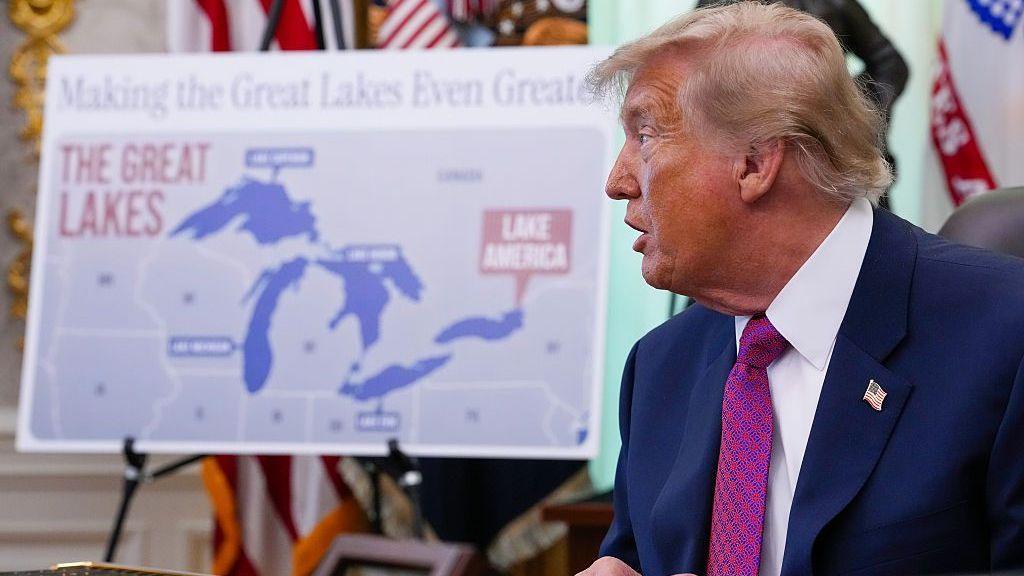
Trump Targets Birthright Citizenship and Birth Tourism
What the Orders Do
The first order expands the list of parents whose children are ineligible for automatic citizenship. It explicitly excludes children born to parents who are members of foreign terrorist groups, foreign government employees, or have applied for citizenship fraudulently, as well as those living in U.S. territories where federal law does not grant citizenship.
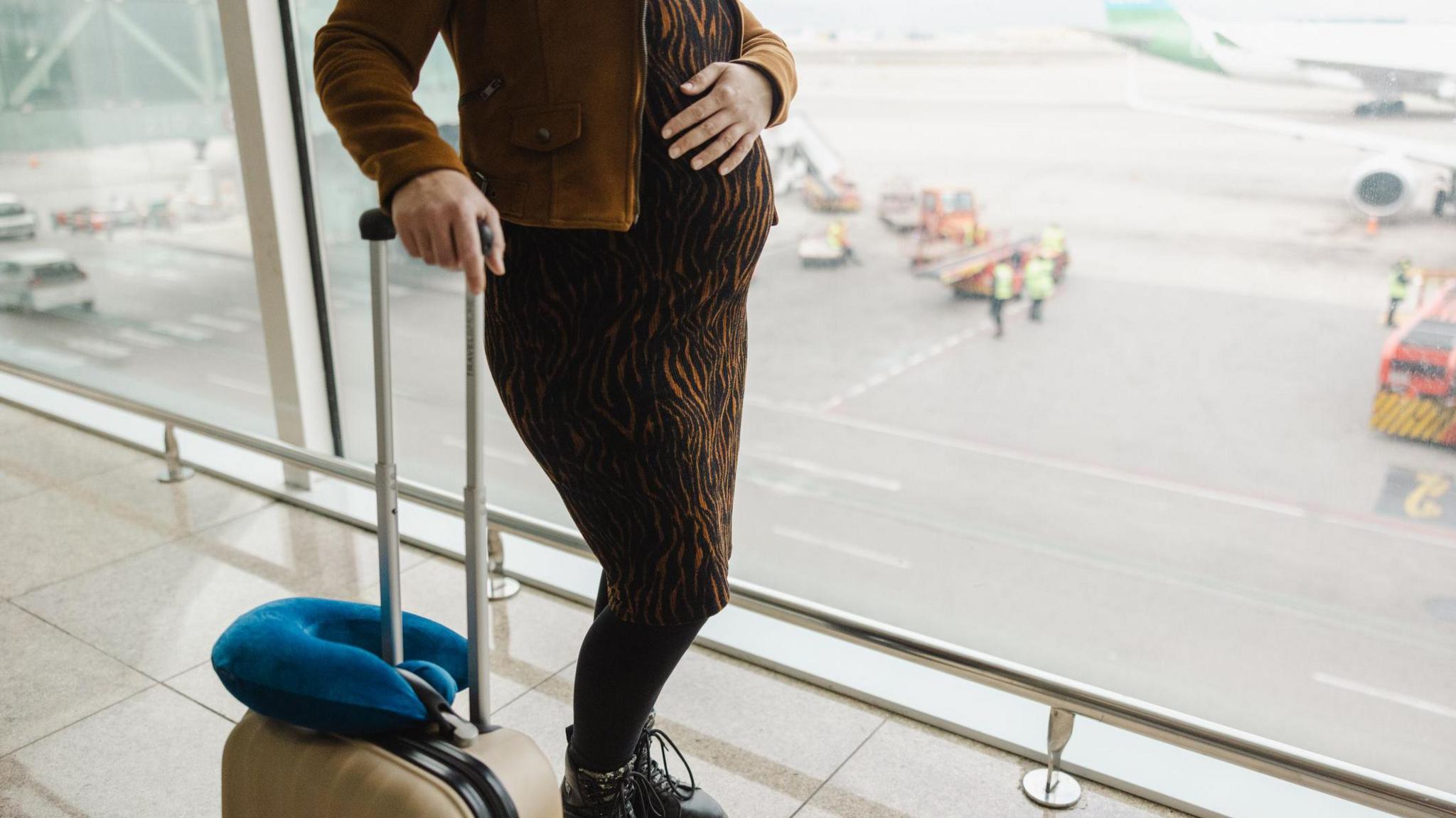
The second order instructs the Departments of State and Homeland Security to strengthen regulations and enforcement against the birth‑tourism industry. It condemns operators who advertise citizenship prospects and public benefits that are often unfulfilled.
Birthright Citizenship Explained
Birthright citizenship, or jus soli, derives from the 14th Amendment and automatically grants U.S. citizenship to anyone born on U.S. soil, with a few historical exceptions such as children of foreign diplomats. Currently, nearly every child born in the mainland U.S. becomes a citizen regardless of the parents’ status.
How Many Birth Tourists Are There?
The U.S. Department of Transportation estimates about 0.25% of the 3.7 million births in 2024 came from mothers with foreign addresses—roughly 9,500 babies. The Migration Policy Institute, however, argues that birth‑tourism likely accounts for 0.5‑0.7% of births, estimating between 20,000 and 26,000 babies annually.
Supreme Court’s Role
The Supreme Court recently rejected a 2019 petition challenging the 14th Amendment. Trump’s administration highlighted birth tourism as a key reason for refusing citizenship, but the Court upheld the established principle of jus soli.
International Context
While the U.S. and Canada are the only developed nations that grant broad birthright citizenship, more than 30 other countries—including Brazil, Argentina, and Mexico—also apply unrestricted jus soli. Nations like the U.K. and Australia offer modified versions that tie citizenship to parental status.