US Implements Ban on Canadian Alcohol and Dairy Amid Escalating Trade War
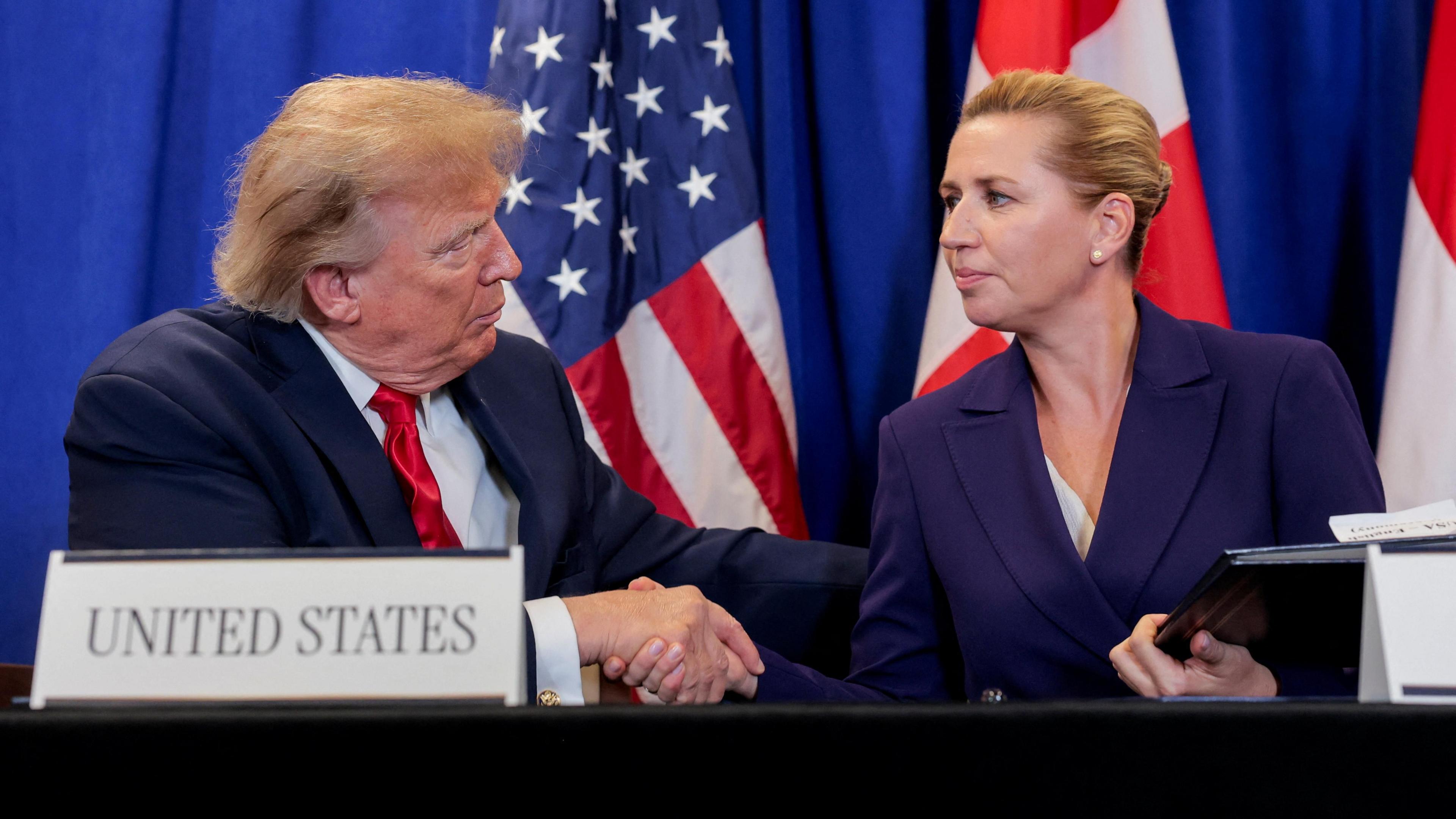
In a move that signals an intensifying trade dispute, the Trump administration has enforced a ban on Canadian liquor and dairy exports to the United States. The restrictions come after Canada slapped tariffs on a range of American products earlier this month.
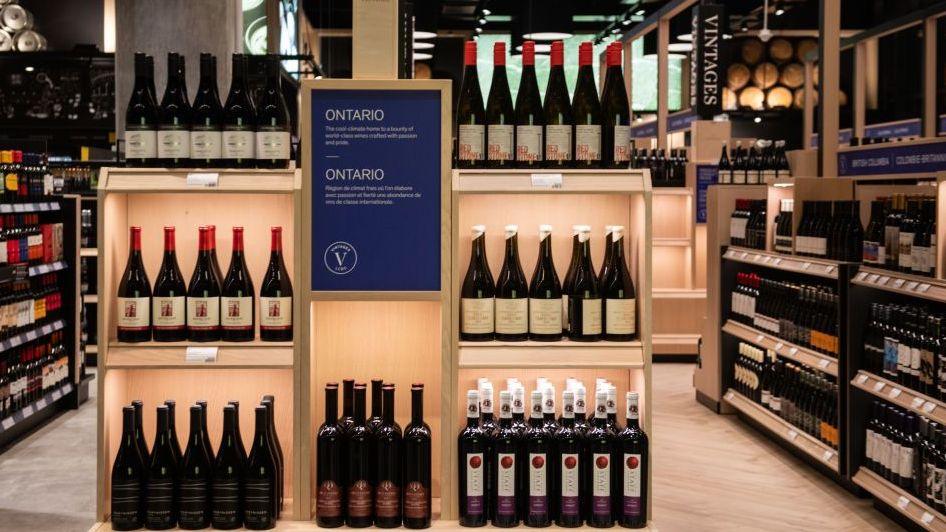
The ban targets nearly C$1 billion worth of Canadian liquor shipped to the United States and whey products used in protein powders. Although motorcycle sales are also affected, the relatively low volume of Canadian motorcycles—about 5,000 units worth roughly C$120 million in 2025—means the impact there is muted.
With the rule now in effect, Canadian exporters face uncertain futures. Prime Minister Mark Carney said the measure would have a “modest” effect on Canada’s economy, and he announced that Canada would likely not retaliate further. Carney, however, acknowledged that firms in the liquor and dairy sectors would feel the squeeze.
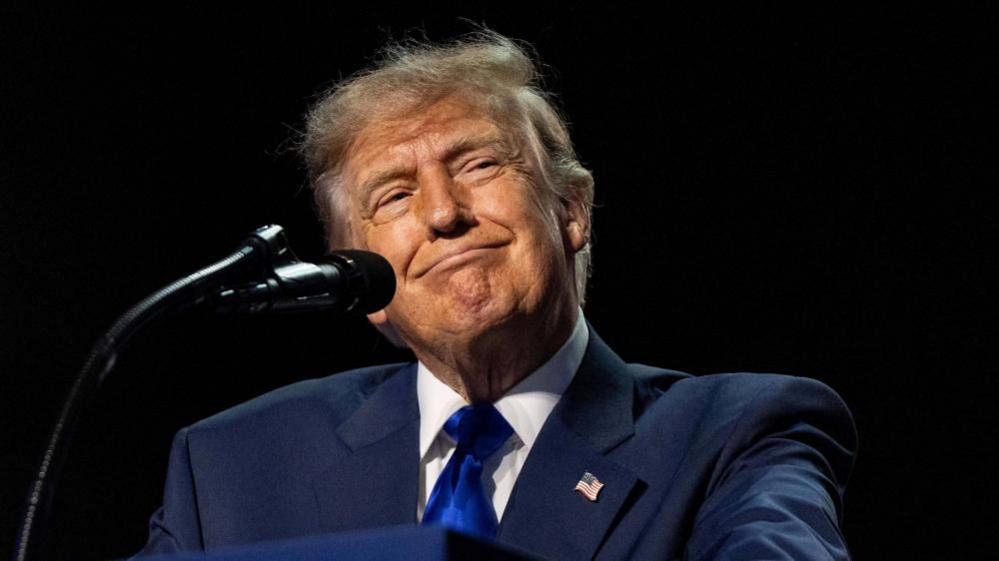
Trade negotiators from both countries have frozen talks. U.S. trade representative Jamieson Greer told CNBC that President Donald Trump is “comfortable” with the current state of relations with Canada, noting that there is no urgency on the U.S. side to resolve the dispute.
Economic analysts point out that these tariffs raise the cost of everyday goods in both markets and jeopardise long‑standing trade flows. As of now, Canada has already imposed a range of retaliatory tariffs on more than 700 U.S. products and has halted the sale of U.S. liquor in most provinces.
The trade war’s latest flare underscores how political tensions can quickly translate into concrete economic actions that ripple across industries and consumers on both sides of the border.