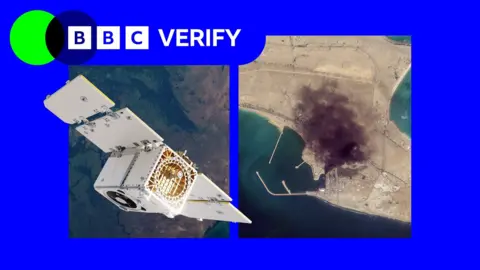
Humanitarian organisations and journalists have expressed concerns after a leading satellite imagery company told its users it was restricting access to images of Iran and large parts of the Middle East following a request from the US government. California-based Planet Labs initially introduced a 14-day delay on providing new imagery from the region in March. It has since moved to an indefinite restriction.
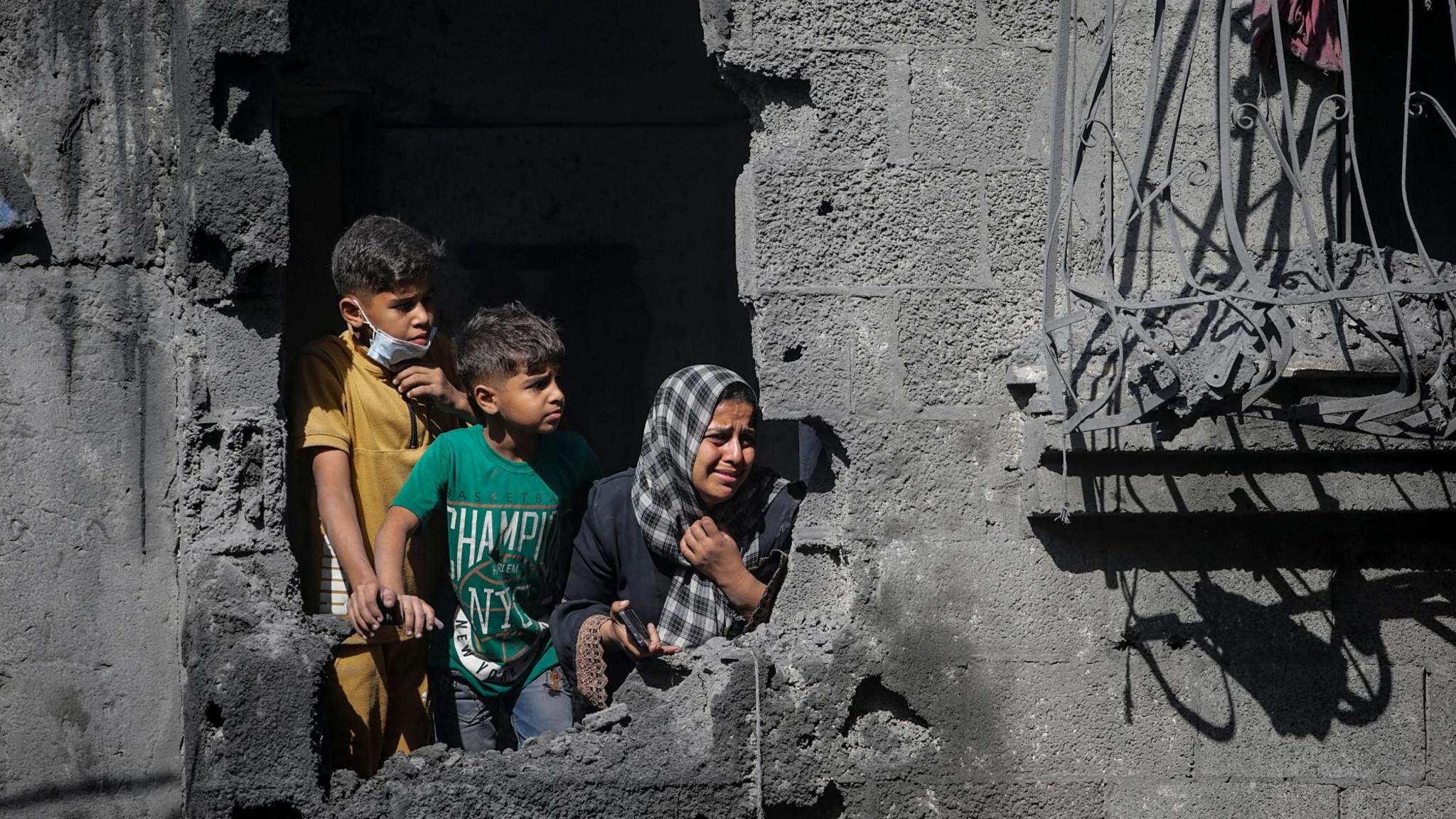
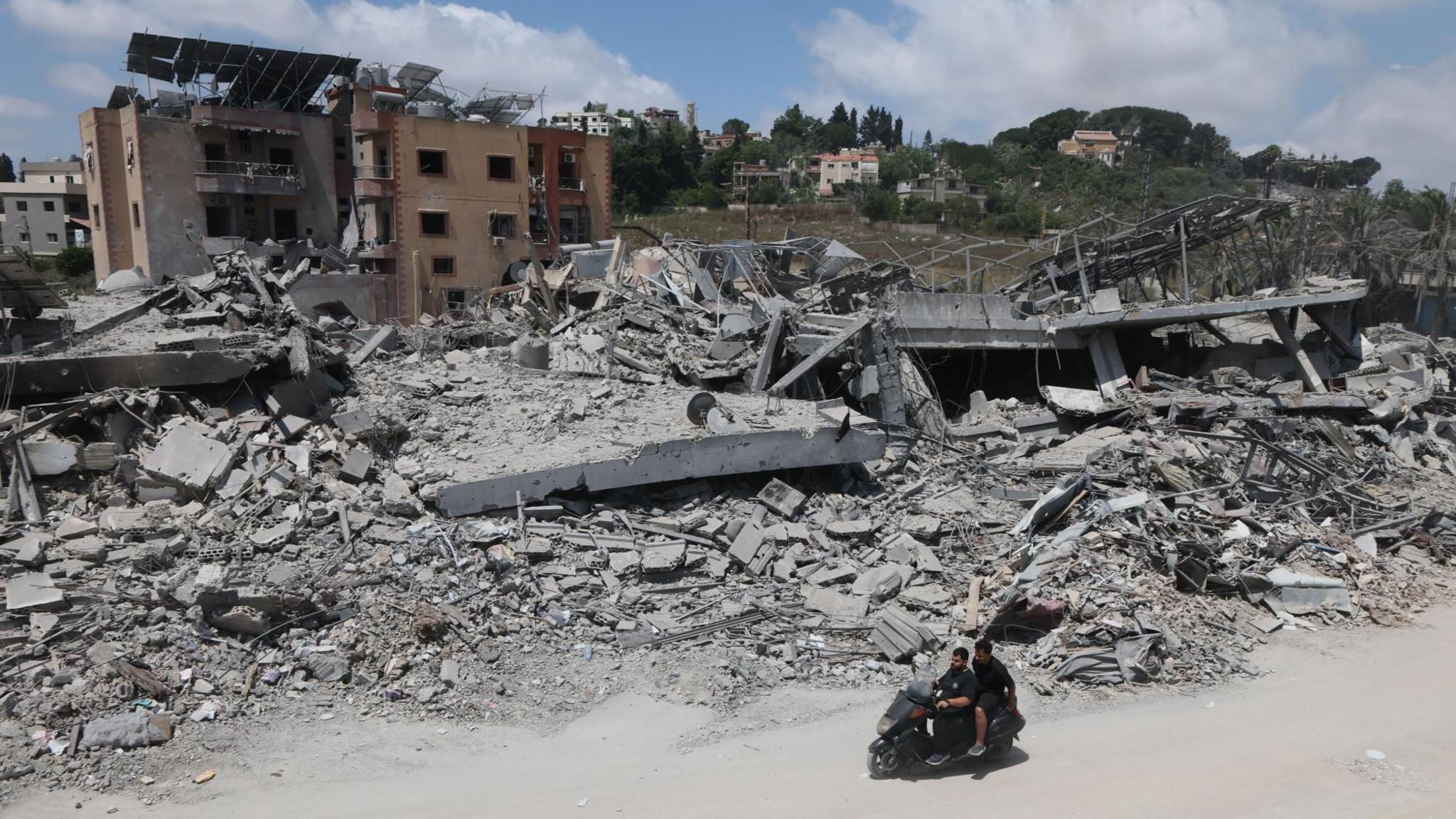
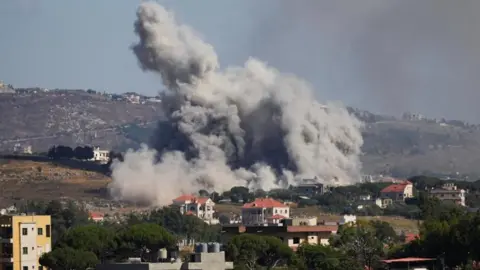
The decision has limited how journalists, humanitarian groups, and analysts can use satellite images to assess the impact of the US-Israel war with Iran, including damage to military targets and civilian infrastructure. It is unclear what prompted the US to press Planet to suspend its coverage, and the Department of Defense did not respond to a request for comment.
Planet initially stated that its original 14-day delay policy was to ensure its imagery was not tactically leveraged by adversarial actors to target allied and NATO-partner personnel and civilians. Following the US intervention, it announced a transition to a system of managed distribution, where selected images will be shared on a one-off basis until the security risk has abated.
The restrictions appear to extend across most of the Middle East, including Iraq, Lebanon, Israel, and Gaza. One satellite imaging expert explained that companies like Planet with military contracts can sometimes implement voluntary compliance requests driven by commercial incentives. The BBC has used Planet imagery extensively for reporting in the Middle East, particularly since the war in Iran began in February.
Restrictions on satellite imagery have profound implications for humanitarian efforts and investigative journalism. Charities and groups like Oxfam rely on such data to plan logistics during conflicts, making the unavailability of satellite imagery a critical obstacle. According to humanitarian experts, the current state of satellite coverage severely impacts their ability to assess damage, document human rights abuses, and coordinate aid delivery.
With the restrictions now in place, news outlets, including the BBC and the New York Times, are seeking alternative solutions for satellite imagery, though many competitors cannot match the resolution and coverage provided by Planet Labs. Experts in the field note that reliance on commercial satellite services brings a complicated interplay of incentives, complicating access to vital information in conflict zones.
The decision has limited how journalists, humanitarian groups, and analysts can use satellite images to assess the impact of the US-Israel war with Iran, including damage to military targets and civilian infrastructure. It is unclear what prompted the US to press Planet to suspend its coverage, and the Department of Defense did not respond to a request for comment.
Planet initially stated that its original 14-day delay policy was to ensure its imagery was not tactically leveraged by adversarial actors to target allied and NATO-partner personnel and civilians. Following the US intervention, it announced a transition to a system of managed distribution, where selected images will be shared on a one-off basis until the security risk has abated.
The restrictions appear to extend across most of the Middle East, including Iraq, Lebanon, Israel, and Gaza. One satellite imaging expert explained that companies like Planet with military contracts can sometimes implement voluntary compliance requests driven by commercial incentives. The BBC has used Planet imagery extensively for reporting in the Middle East, particularly since the war in Iran began in February.
Restrictions on satellite imagery have profound implications for humanitarian efforts and investigative journalism. Charities and groups like Oxfam rely on such data to plan logistics during conflicts, making the unavailability of satellite imagery a critical obstacle. According to humanitarian experts, the current state of satellite coverage severely impacts their ability to assess damage, document human rights abuses, and coordinate aid delivery.
With the restrictions now in place, news outlets, including the BBC and the New York Times, are seeking alternative solutions for satellite imagery, though many competitors cannot match the resolution and coverage provided by Planet Labs. Experts in the field note that reliance on commercial satellite services brings a complicated interplay of incentives, complicating access to vital information in conflict zones.