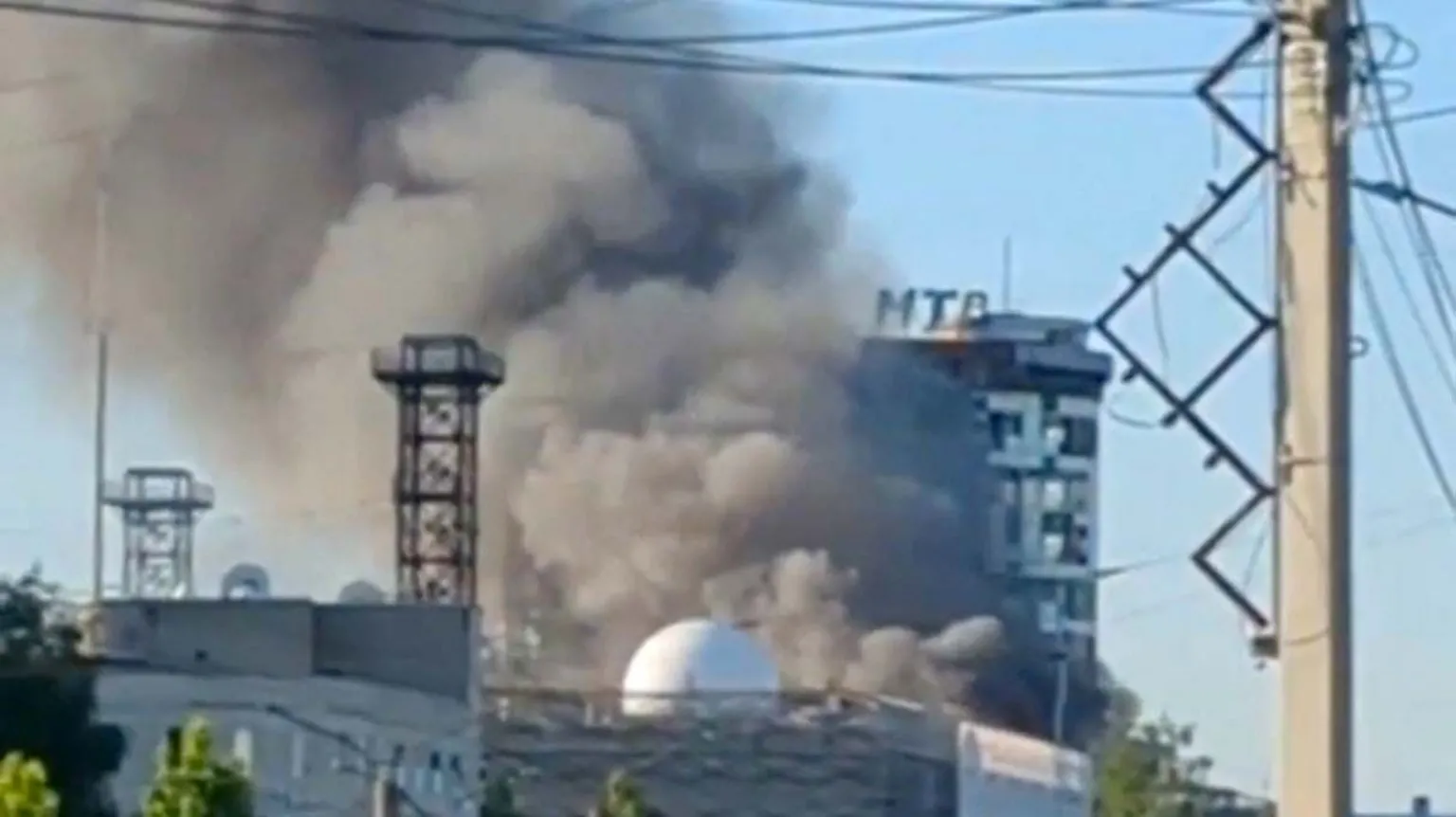
Ukrainian President Volodymyr Zelenskiy has announced that FP‑5 Flamingo cruise missiles "hit a military plant in Cheboksary" – a city 900‑km (560‑mile) from the front line – during the night of June 9.
The missile strike was said to have targeted the VNIIR‑Progress plant, a former aircraft manufacturer now producing components for drones and missiles. Local officials confirmed three people were injured, with reports of a fire flare‑up at the facility. The hit is part of a broader series of Ukrainian strikes on energy infrastructure and occupation‑controlled assets, including a reported impact on Mariupol’s port, a refinery in Samara and a shadow‑fleet tanker in the Black Sea.
Ukrainian military reports have shown a steady pattern of intensified drone attacks on key Russian installations. In the latest sweep, Russian defence claimed to have intercepted or shot down 326 drones, while Ukraine’s air force credited itself with downing 181 of the 207 drones launched during the same period.
Casualty figures from Ukraine’s side indicate at least two individuals were killed and 26 injured – two of whom were children – across four Ukrainian regions during the 24‑hour period. On the Russian side, local officials are reporting ongoing infrastructural damage without a clear assessment of military losses.
The FP‑5 missile, equipped with a 1,150‑kg warhead and a reported range of 3,000 km, is capable of striking major Russian cities, including Moscow. Ukrainian analysts say that the continued development of such missiles, in cooperation with Western partners, aims to increase the cost of the Russian invasion and push for a settlement.
Despite these escalations, Russian President Vladimir Putin has repeatedly dismissed any negotiation proposals and continues to deny battlefield withdrawals. The conflict remains largely static on the front line, despite rhetoric of Moscow’s advancing forces.