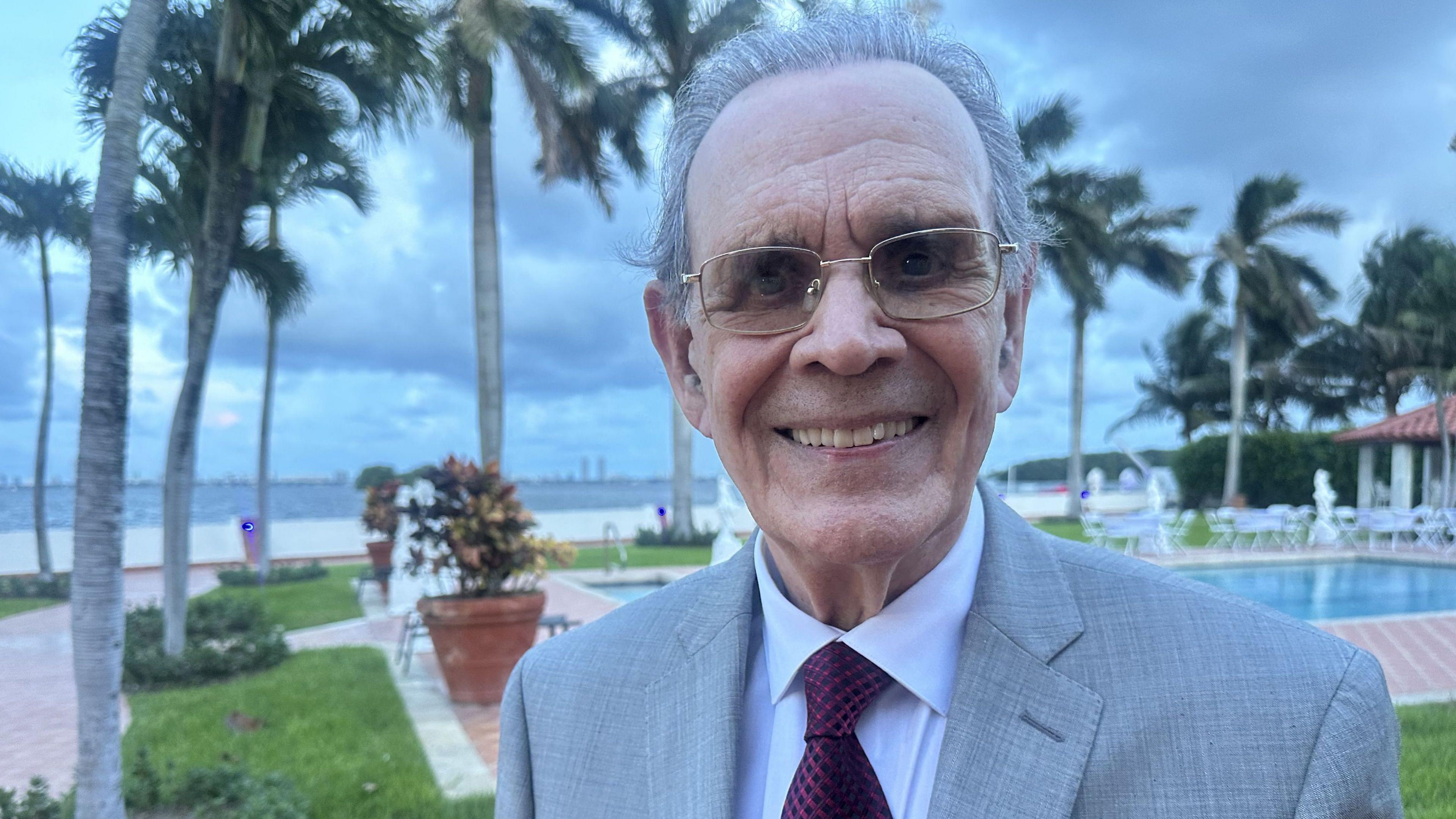
In a lavish Miami villa overlooking Biscayne Bay, a group of the country’s wealthiest Cuban‑American families gathered for the fourth meeting of the Cuban‑American National Chamber of Commerce (CANCC). The event, surrounded by roll‑up speaker systems and barrels of rum, was less about diplomacy and more a private symposium where figures such as Juan Omar Sixto, a real‑estate developer in his eighties, outlined a “day‑after” plan for Cuba once the communist regime “falls”. Sixto, who fled the island as a teenager, told attendees that his organization is already drafting protocols for opening a Cuban stock exchange, reviving energy infrastructure and addressing food security.
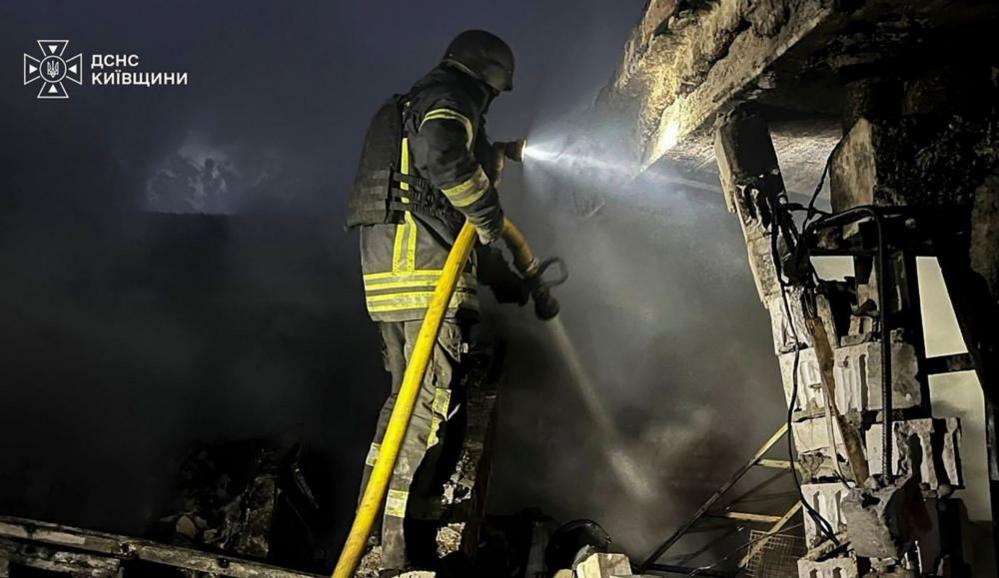
As the conversation waxed optimistic over glasses of premium rum, the reality in Cuba remains far from the idealism of the Miami gathering. Recent reports of nationwide blackouts and a U.S. oil blockade underline the severity of the island’s power crisis, with experts estimating that modernising the grid would cost upwards of $10 billion. “They are making plans for a future that may yet never materialise,” said Mike Bustamante, a professor at the University of Miami who notes that the political climate in Washington is unlikely to support a large‑scale intervention beyond sanctions.
The CANCC’s agenda also includes addressing historic land‑claim grievances. Sixto’s family lost five farms in Pinar‑del‑Rio during the 1959 revolution; he demands restitution “even if it’s just a penny on the dollar”. Other delegates, such as Hugo Orizondo, argue that foreign investment could bring needed capital and technology to Cuba’s agricultural sector, though the Cuban government frames these claims as “the bitterness of a corrupt landed gentry.”
While the entrepreneurs declare their readiness to “go and do business in Cuba right away”, Cuban officials have responded with a series of 176 economic liberalisation measures that critics say are merely cosmetic. The dissonance between Miami’s plans and the island’s political constraints reflects a broader uncertainty about whether the long‑awaited shift in governance will materialise, and if so, what impact it will have on ordinary Cubans who are already facing food, water, and medicine shortages.