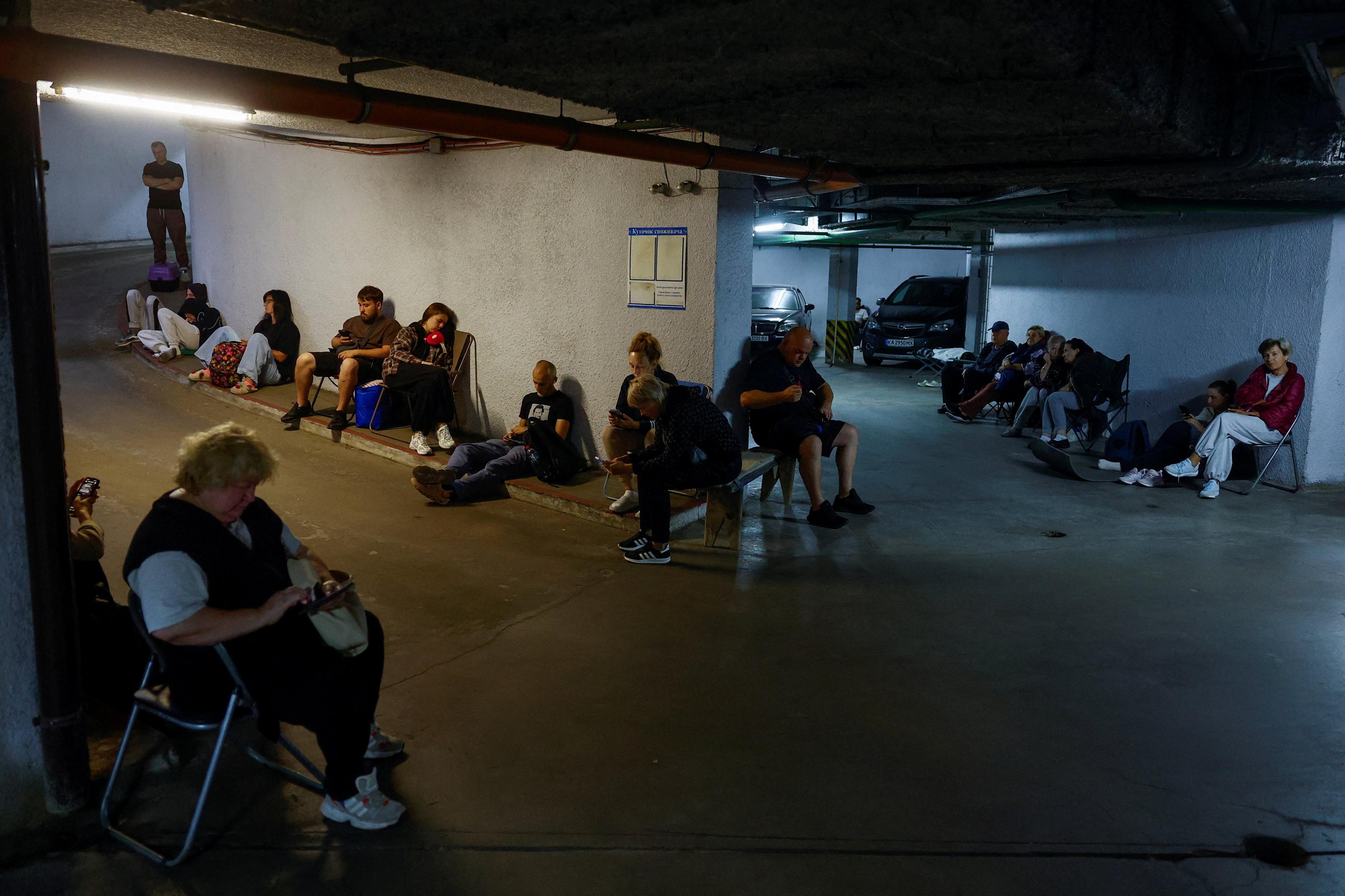
In the days before the latest barrage, news of another major strike on the capital had spread in the capital of Kyiv. Residents and staff had retreated to the underground metro stations, many of them taking shelter for over 24 hours amid the roar of artillery and air‑darting drones. A record 41,000 people, among them close to 4,500 children, had gone underground on the pre‑warning night.
“We were two floors underground, and yet we could feel and hear the massive explosions above,” one resident recalled. “Then came the Russian drones, possibly carrying explosives or scouting the damage done by the missiles. Then more missiles.”
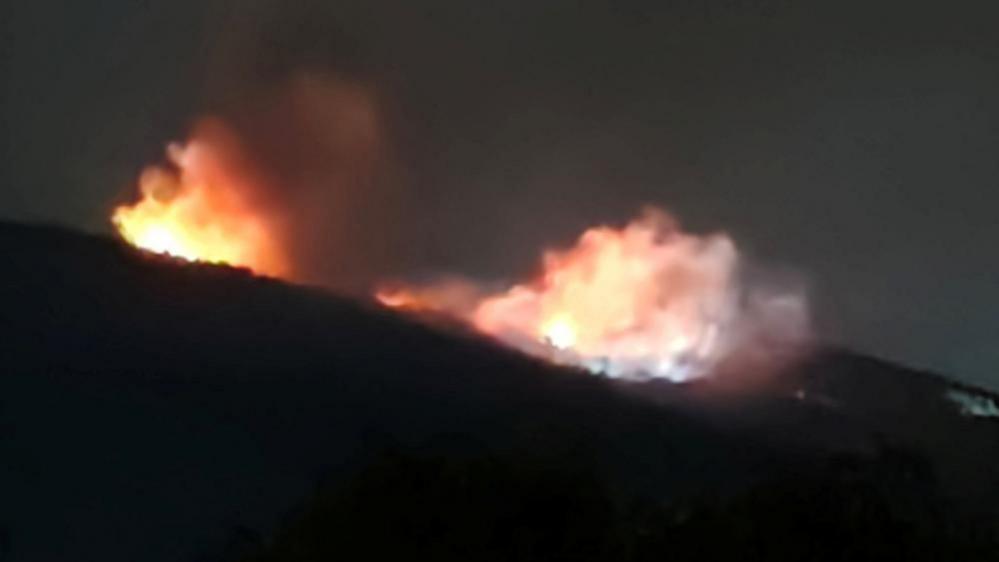
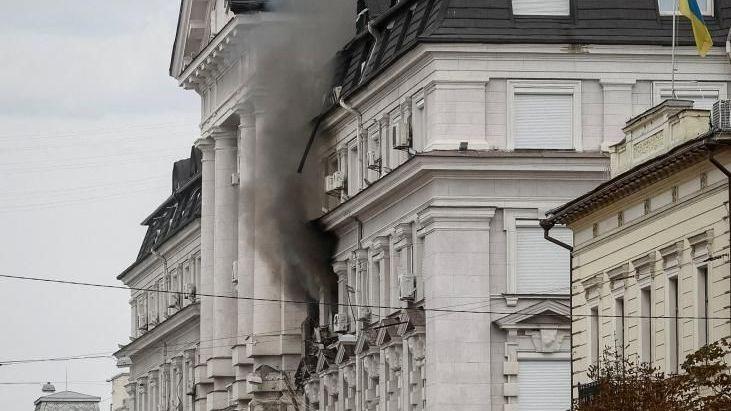
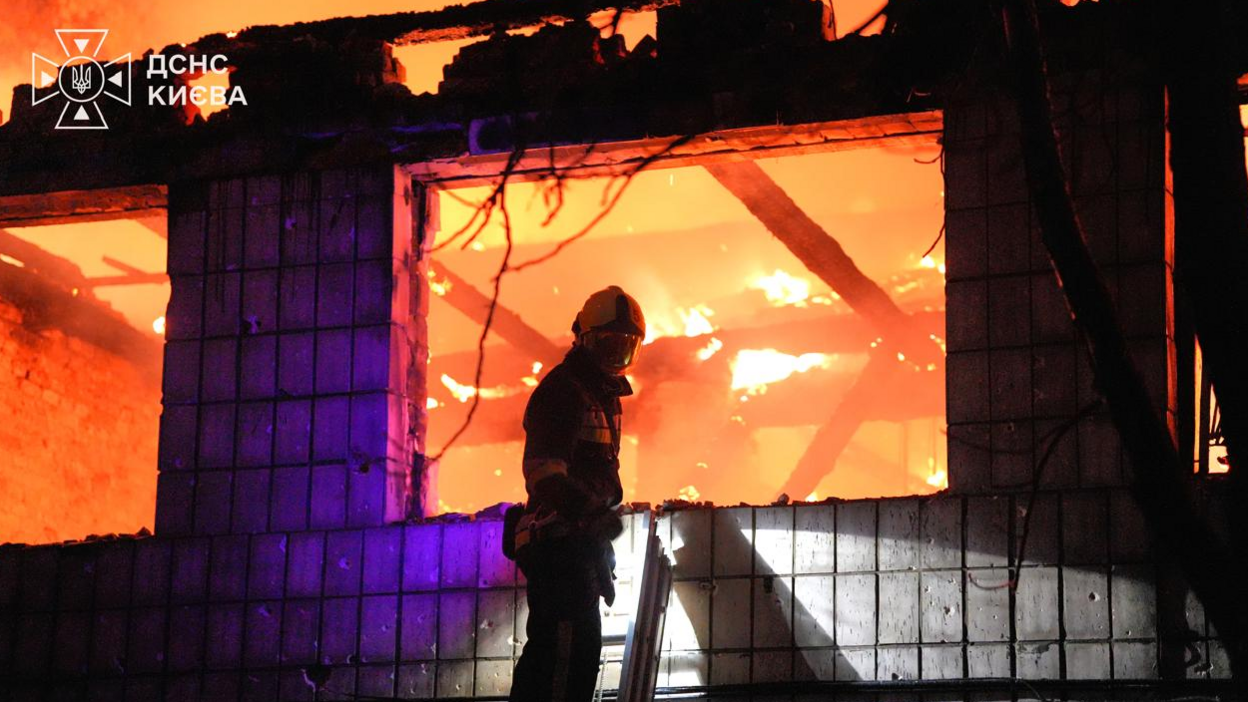
Despite the assurances that Moscow would target only military objectives, the reality for civilians was stark. The city’s skyline was set ablaze by shell fragments; glass shattered; and the streets lay littered with charred wreckage. The calamity extended beyond Kyiv: in Dnipro, a twin residential building had been struck, leaving 16 dead, and in Kharkiv, energy facilities and local infrastructure suffered significant hits that left 10 hurt, including a child.
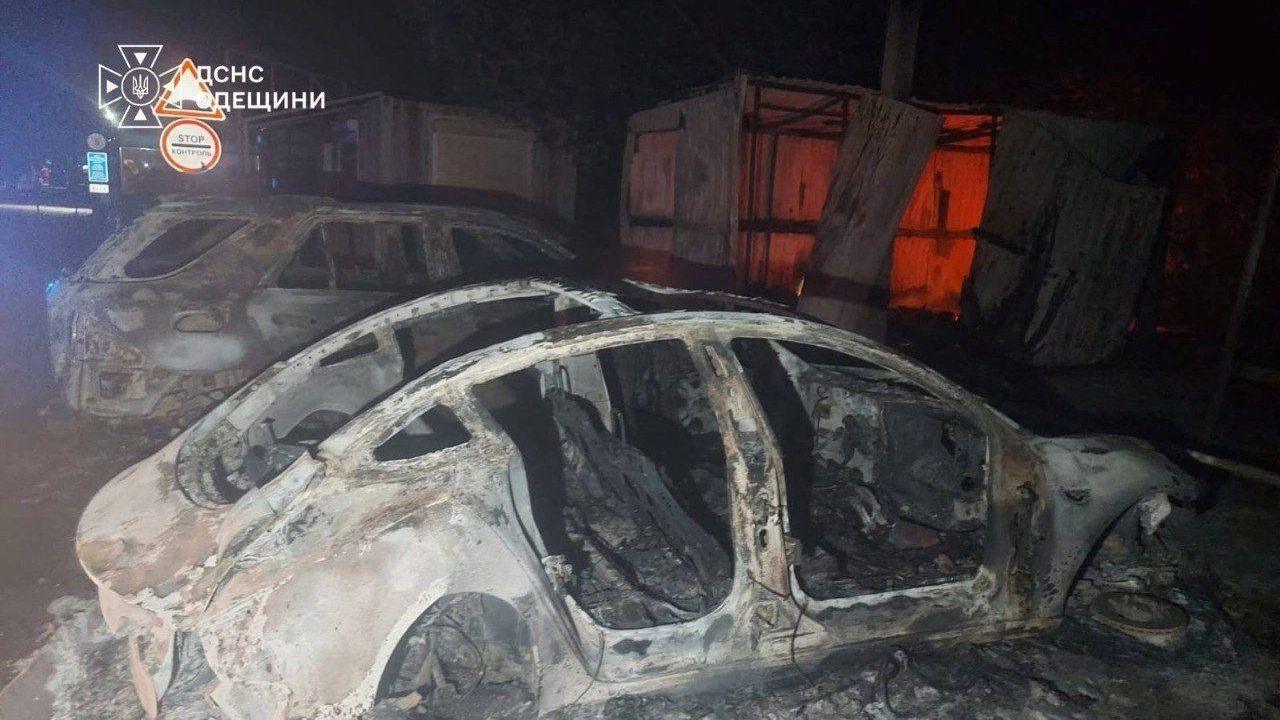
In the Vynohradar suburb, a scene of utter devastation unfolded. Buildings had their windows blown out, shells of burnt‑out cars littered the pavements, and a cloud of dust obscured the sky. Residents were torn by shock, hearing at least three massive explosions. Several neighbours were taken to hospitals with severe injuries.
Anna, a nine‑storey apartment resident, described the aftermath tearfully. “They’ll fix the building, but not our souls. The whole of the building, the whole of Ukraine is in grief. What have we done to deserve this?” she said. One of the burnt cars was clearly her, adding personal grief to the collective loss.
In the immediate weeks after the attack, a coordinated response uncovered the quiet resignation and communal care that has become a hallmark of Kyiv. Under the lingering threat of falling glass shards, workers and police escorted residents from high‑rise windows safe from falling debris. Psychologists visited unlocked homes to talk through shell‑shocked trauma. Volunteers delivered bottled water, food, and blankets to the trapped, while municipal crews splayed operated as if nothing had changed.
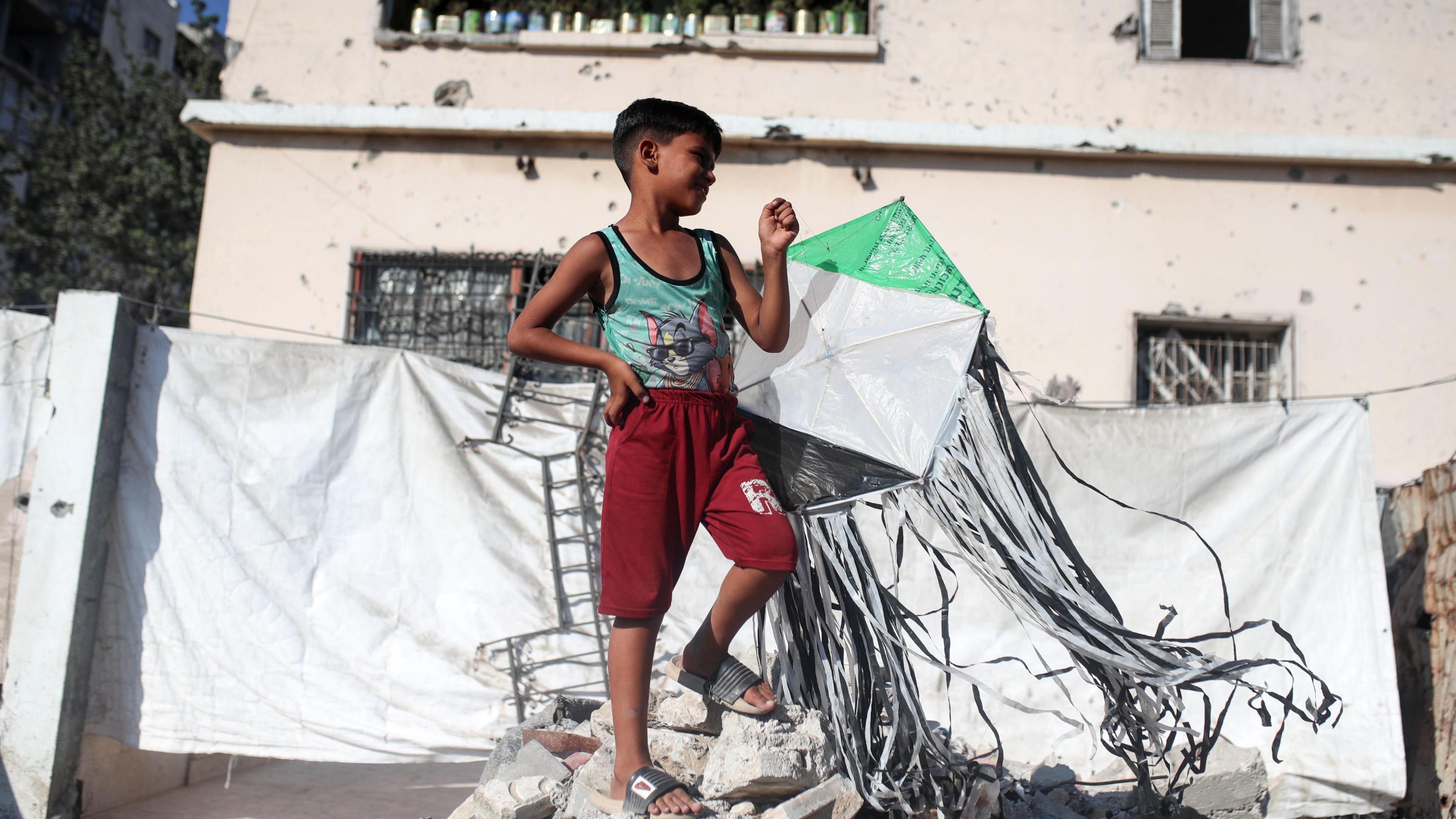
Yet, in the periphery of the blasts, signs of normal life surfaced. Children danced on swings, playing as if nothing was off normal, while road workers laid new tarmac and busses ran on routine routes. This dual reality, the grand contrast between the relentless siege and the quiet continuance of ordinary life, is the essence of Kyiv’s resilience in today’s war.