Witness Stands Up for Truth and Authority in Tupac’s Murder Trial
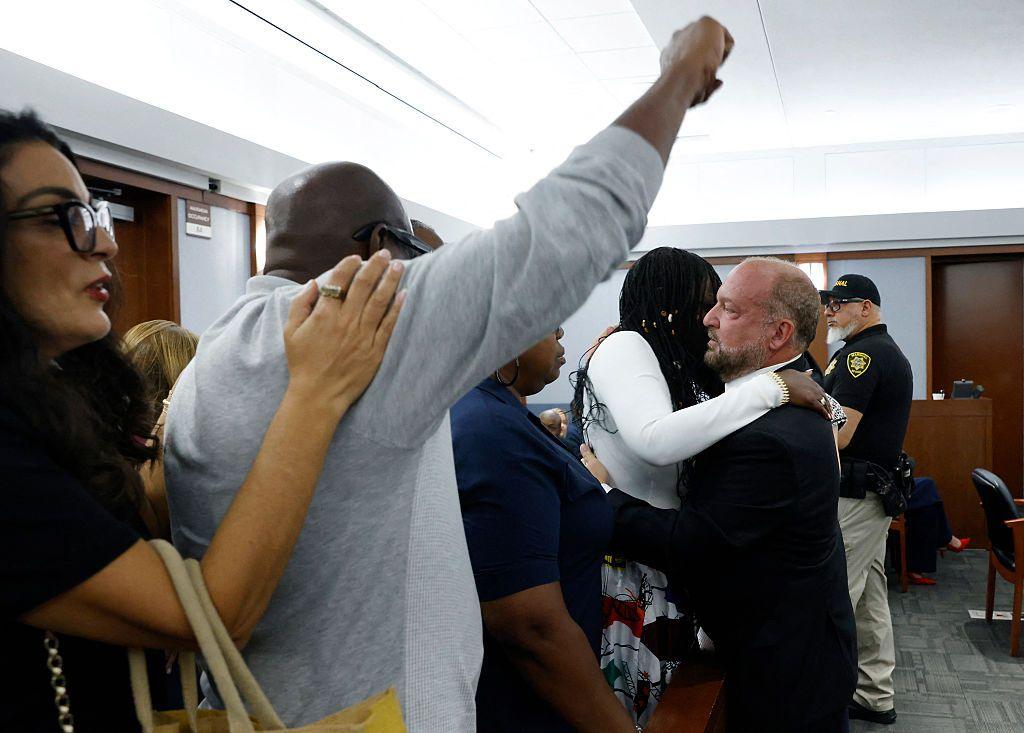
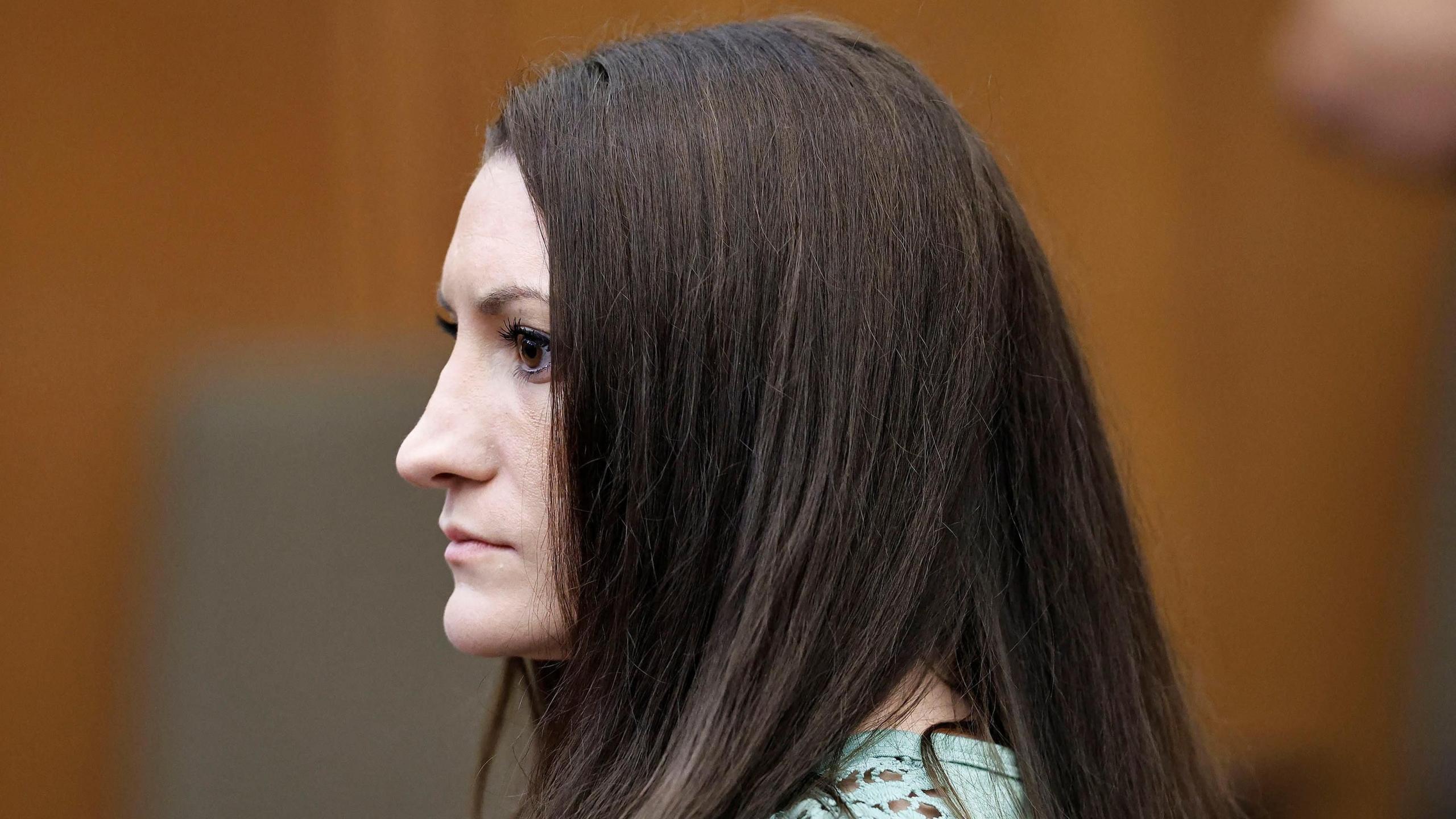
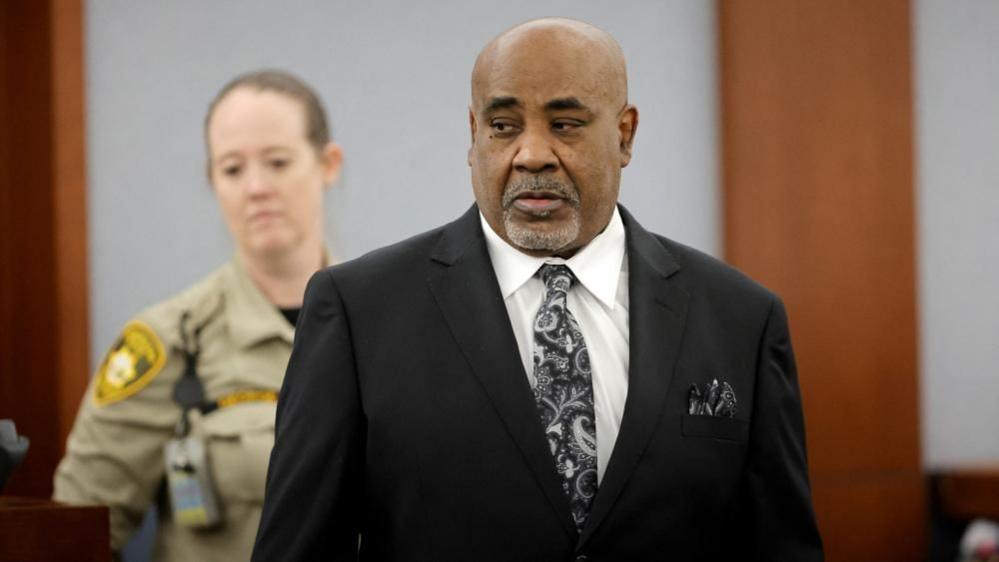
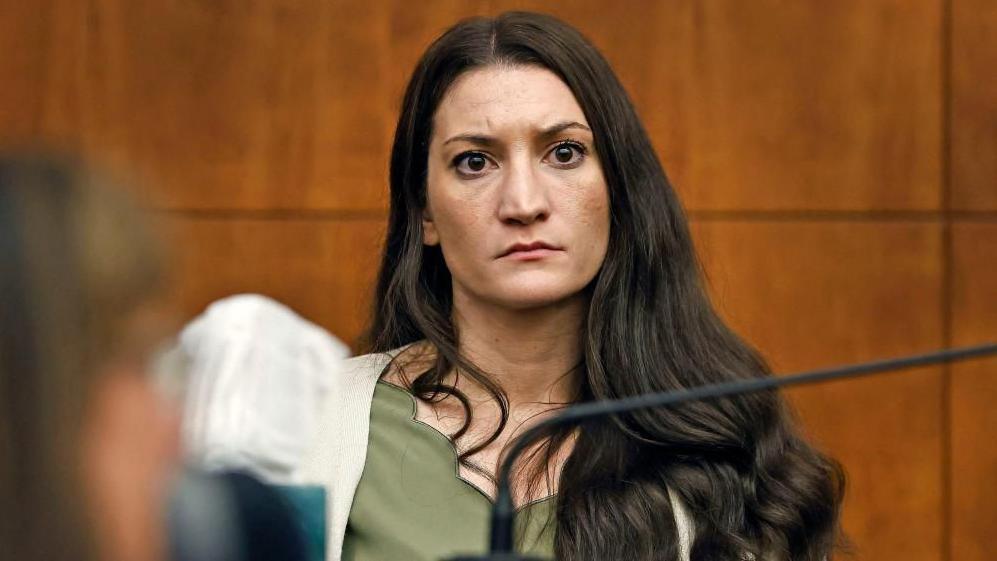
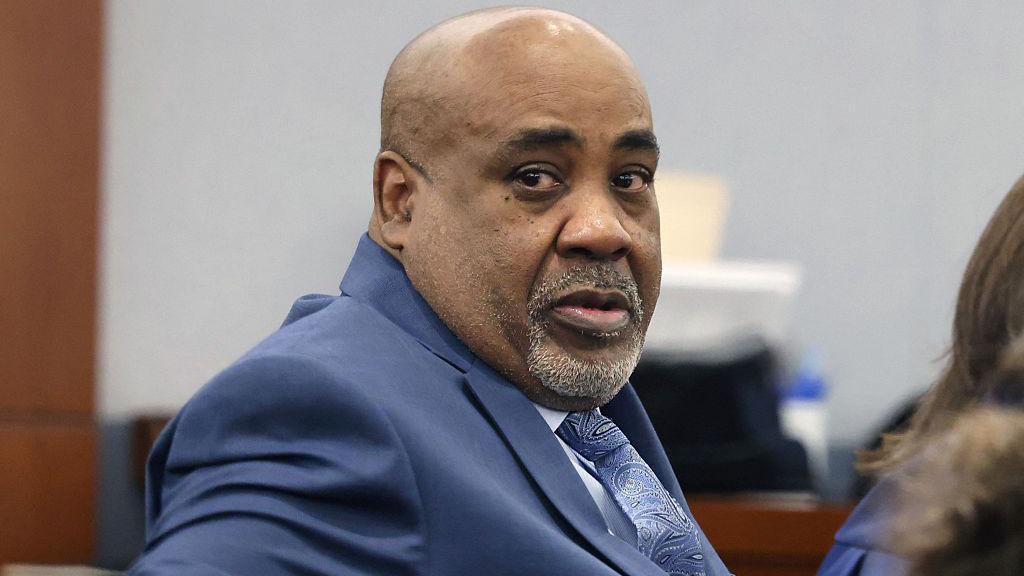
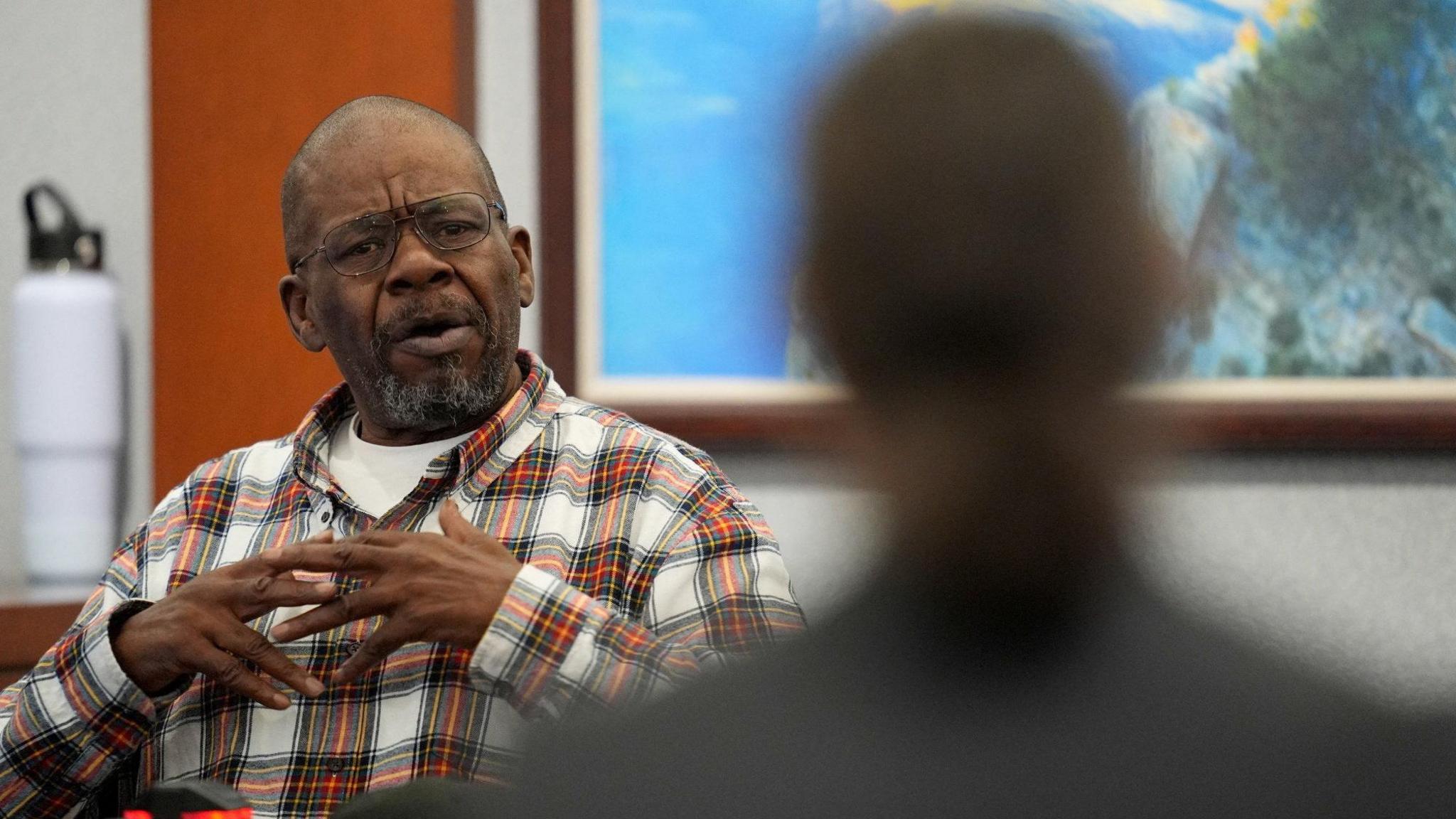
On Tuesday, the Clark County District Court in Las Vegas saw an unexpected flare of conflict when James "Mob James" McDonald, a former gang member and witness in the decades‑old case, confronted the defense for the accused, Duane "Keffe D" Davis. When prosecutors pushed him to name who fired the fatal shots at 25‑year‑old Tupac Shakur, McDonald openly declared he could not help, arguing that doing so would send his former friend to prison.
McDonald warned that refusing to testify on pain of contempt was an overreach, and highlighted how the driver ‘gang war’ around Tupac’s entourage became a “choke‑point” that strained the way evidence was collected. He described being threatened, “I don't want to send him to prison, even though we don't like each other,” a plea that struck the courtroom, where the defense attorney, Michael Sanft, had repeatedly pressed McDonald for directional insight.
The case, 30 years after the rapper’s deadly shooting post‑Mike Tyson bout, remains one of the most unresolved high‑profile murders in U.S. history. Prosecutors argue that Davis, a former South‑Side Compton Crips leader, orchestrated the 1996 hit after his nephew had a confrontation with Shakur in Las Vegas, an act that purportedly sought retribution for the earlier clash.
McDonald added that the shooting—a drive‑by that occurred on a Las Vegas street—was rooted in a web of retaliation that involved gang affiliates and the infamous Death Row Records label. He stated, "It was a gang war; people were getting hurt. Orlando (Anderson) and others were being sought because they wanted to kill them," positioning the incident within the broader context of street-based insurgency.
Defendants, authorities and witnesses are expected to continue to confront the intricacies of this case in the coming days. Meanwhile, the public watching from different platforms will debate whether justice has evolved from the streets to the courtroom.