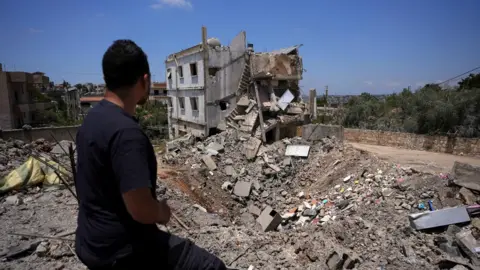
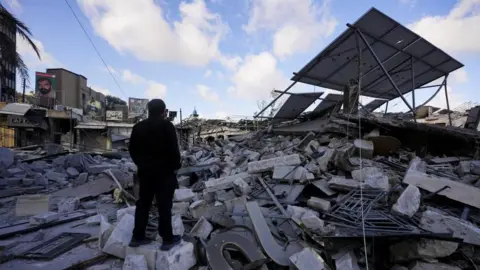
The report highlights Israel's military actions between October 2023 and July 2024, detailing what it describes as "deliberate attacks on civilians" and the stringent limitations on humanitarian aid. In response, Israeli officials fiercely contested the allegations, asserting that the country's military operations are solely focused on neutralizing Hamas, which they accuse of instigating violence against Israeli citizens. Oren Marmorstein, a spokesperson for the Israeli Foreign Ministry, indicated that the action taken by Israel adheres to international law and contends that Hamas is responsible for the atrocities in the region.
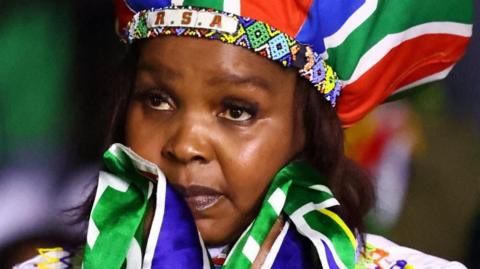
Israel's historical context complicates these allegations; established in 1948 post-Holocaust, accusations of genocide resonate deeply within Israeli society. However, Amnesty International insists that its findings are grounded in the definitions set forth by the 1948 United Nations Genocide Convention, which outlines acts committed with the intent to destroy particular groups. The ongoing deliberations at the International Court of Justice further underscore the grave implications of these claims, as South Africa cites inflammatory rhetoric from Israeli leaders as evidence of a genocidal intent.
As the situation evolves, both sides remain entrenched in their perspectives, and the international community watches closely, with humanitarian organizations calling for accountability amidst the ongoing violence in the region. The outcomes of these allegations could have far-reaching consequences for Israel's international relations and the broader landscape of the Israel-Palestine conflict.
Israel's historical context complicates these allegations; established in 1948 post-Holocaust, accusations of genocide resonate deeply within Israeli society. However, Amnesty International insists that its findings are grounded in the definitions set forth by the 1948 United Nations Genocide Convention, which outlines acts committed with the intent to destroy particular groups. The ongoing deliberations at the International Court of Justice further underscore the grave implications of these claims, as South Africa cites inflammatory rhetoric from Israeli leaders as evidence of a genocidal intent.
As the situation evolves, both sides remain entrenched in their perspectives, and the international community watches closely, with humanitarian organizations calling for accountability amidst the ongoing violence in the region. The outcomes of these allegations could have far-reaching consequences for Israel's international relations and the broader landscape of the Israel-Palestine conflict.