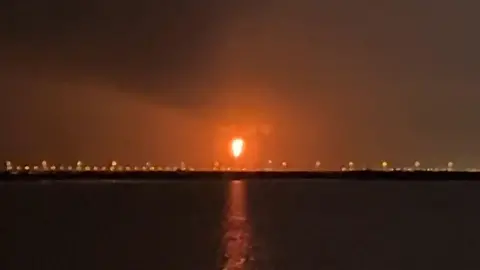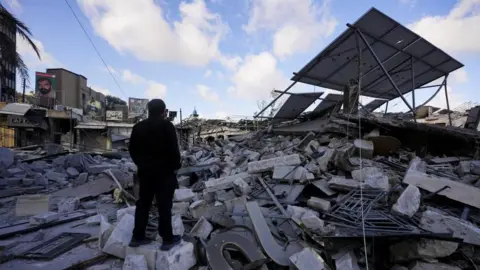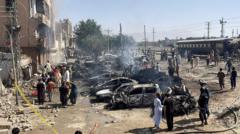
The blast near Quetta's Chaman Phatak station on Sunday morning shattered the fragile peace in Pakistan's Balochistan region, killing at least 20 people and injuring 70 as a train carrying military personnel and their families heading home for Eid crashed into a deadly explosion. Railway officials reported three coaches and the engine derailed while two carriages overturned, leaving a scene of twisted metal and charred debris amid the morning quiet of the city. 'The train was moving and there were passengers on board when the explosion occurred,' said local resident Naseer Ahmed, his voice trembling as he described windows shattering across his home. 'My family was asleep when the blast hit—everything was silent, then it was chaos.'
The Balochistan Liberation Army (BLA) immediately claimed responsibility for the attack, stating it was a suicide bombing targeting the military transport. While Pakistani authorities have yet to confirm the claim, the timing and method mirror previous BLA tactics targeting trains in Balochistan—a region long simmering with resentment over federal resource exploitation. 'We demand that the government share the wealth from our minerals,' stated a BLA spokesperson in a recorded message. 'This train carries the symbols of oppression that strip our lands of value while leaving Baloch people starving.'
The incident unfolded against a backdrop of escalating violence: this is the third major attack on military trains in Balochistan since February, when 31 civilians died in coordinated bombings. The BLA has repeatedly targeted rail infrastructure since 2024, arguing that Pakistan's federal government exploits Balochistan's vast mineral deposits while ignoring local needs. With Balochistan covering 44% of Pakistan's territory and housing 5% of its population, the region remains a volatile flashpoint where separatist demands clash with state security forces.
Emergency teams raced to Quetta's hospitals as the death toll climbed, with officials confirming 20 fatalities and warning of possible increases. Prime Minister Shehbaz Sharif condemned the attack on social media, calling it 'cowardly terrorism' that would not break Pakistan's resolve. 'The entire nation stands in solidarity with Balochistan in this hour of grief,' he wrote. Yet local medical facilities remain overwhelmed—doctors have declared a state of emergency to manage the influx of critically injured victims, many trapped in derailed carriages.
This attack cuts deep into Pakistan's Eid celebrations. Families had boarded the train from a military encampment near Quetta hoping to return home to family for the holiday. Now, those who survived face not only physical wounds but psychological trauma in a region where every train ride carries an invisible risk. As Baloch civilians gather for prayers, they mourn not only the dead but also the shattered trust in a system they say perpetuates inequality—while the BLA vows more violence unless its demands are met. For now, the railway tracks remain silent, but the echoes of this explosion will reverberate long after the emergency services have left.}
The Balochistan Liberation Army (BLA) immediately claimed responsibility for the attack, stating it was a suicide bombing targeting the military transport. While Pakistani authorities have yet to confirm the claim, the timing and method mirror previous BLA tactics targeting trains in Balochistan—a region long simmering with resentment over federal resource exploitation. 'We demand that the government share the wealth from our minerals,' stated a BLA spokesperson in a recorded message. 'This train carries the symbols of oppression that strip our lands of value while leaving Baloch people starving.'
The incident unfolded against a backdrop of escalating violence: this is the third major attack on military trains in Balochistan since February, when 31 civilians died in coordinated bombings. The BLA has repeatedly targeted rail infrastructure since 2024, arguing that Pakistan's federal government exploits Balochistan's vast mineral deposits while ignoring local needs. With Balochistan covering 44% of Pakistan's territory and housing 5% of its population, the region remains a volatile flashpoint where separatist demands clash with state security forces.
Emergency teams raced to Quetta's hospitals as the death toll climbed, with officials confirming 20 fatalities and warning of possible increases. Prime Minister Shehbaz Sharif condemned the attack on social media, calling it 'cowardly terrorism' that would not break Pakistan's resolve. 'The entire nation stands in solidarity with Balochistan in this hour of grief,' he wrote. Yet local medical facilities remain overwhelmed—doctors have declared a state of emergency to manage the influx of critically injured victims, many trapped in derailed carriages.
This attack cuts deep into Pakistan's Eid celebrations. Families had boarded the train from a military encampment near Quetta hoping to return home to family for the holiday. Now, those who survived face not only physical wounds but psychological trauma in a region where every train ride carries an invisible risk. As Baloch civilians gather for prayers, they mourn not only the dead but also the shattered trust in a system they say perpetuates inequality—while the BLA vows more violence unless its demands are met. For now, the railway tracks remain silent, but the echoes of this explosion will reverberate long after the emergency services have left.}