Bridging the Divide: Historic US-Iran Talks in Islamabad
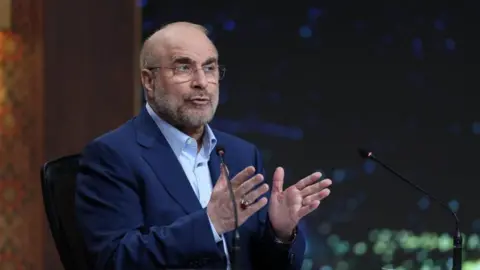
If and when a photograph is taken of US Vice-President JD Vance standing next to Iran's Parliamentary Speaker Mohammad Bagher Ghalibaf in Islamabad this weekend, it will make history. That moment would mark the highest-level face-to-face talks between the Islamic Republic of Iran and the United States of America since the 1979 Islamic Revolution shattered their strong strategic bond and cast a long shadow over relations.
The two men may not smile or even shake hands, but their meeting sends a message: both sides want to seek an end to a war sending shocks worldwide, and to avoid further escalation through diplomacy.
Despite optimism, expectations for a swift “peace deal” are dashed as a two-week ceasefire show signs of instability. US President Donald Trump's prior predictions seem overly ambitious, considering the conflicting interests at play. Iran's last negotiations were stymied by the escalation of violence, showcasing the complexities surrounding their diplomatic discussions.
If serious and sustained talks begin, this meeting could signify a significant move since Trump's withdrawal from the landmark nuclear deal in 2018, a decision he deemed necessary for better national security.
Going into these talks, the gaps between the two sides remain substantial and their distrust running deep, fueled by prior negotiations that ended abruptly due to military conflicts. Iran's insistence on addressing various negotiations through trusted intermediaries like Oman highlights their reluctance to engage directly without assurances.
Today's negotiations starkly contrast with those of a decade ago, as experienced diplomats are replaced by a more informal approach that has yet to yield fruitful results under new leadership. As tensions continue, both nations must navigate this complex diplomatic landscape while managing the expectations of allies who are also invested in the outcome.
With both sides grappling with internal and external pressures, this potential meeting is a crucial inflection point. Irrespective of its outcome, it illustrates the continuing need for dialogue even in the face of historic animosity between the US and Iran.