Water Scarcity and Fish Survival Clash at Glen Canyon Dam
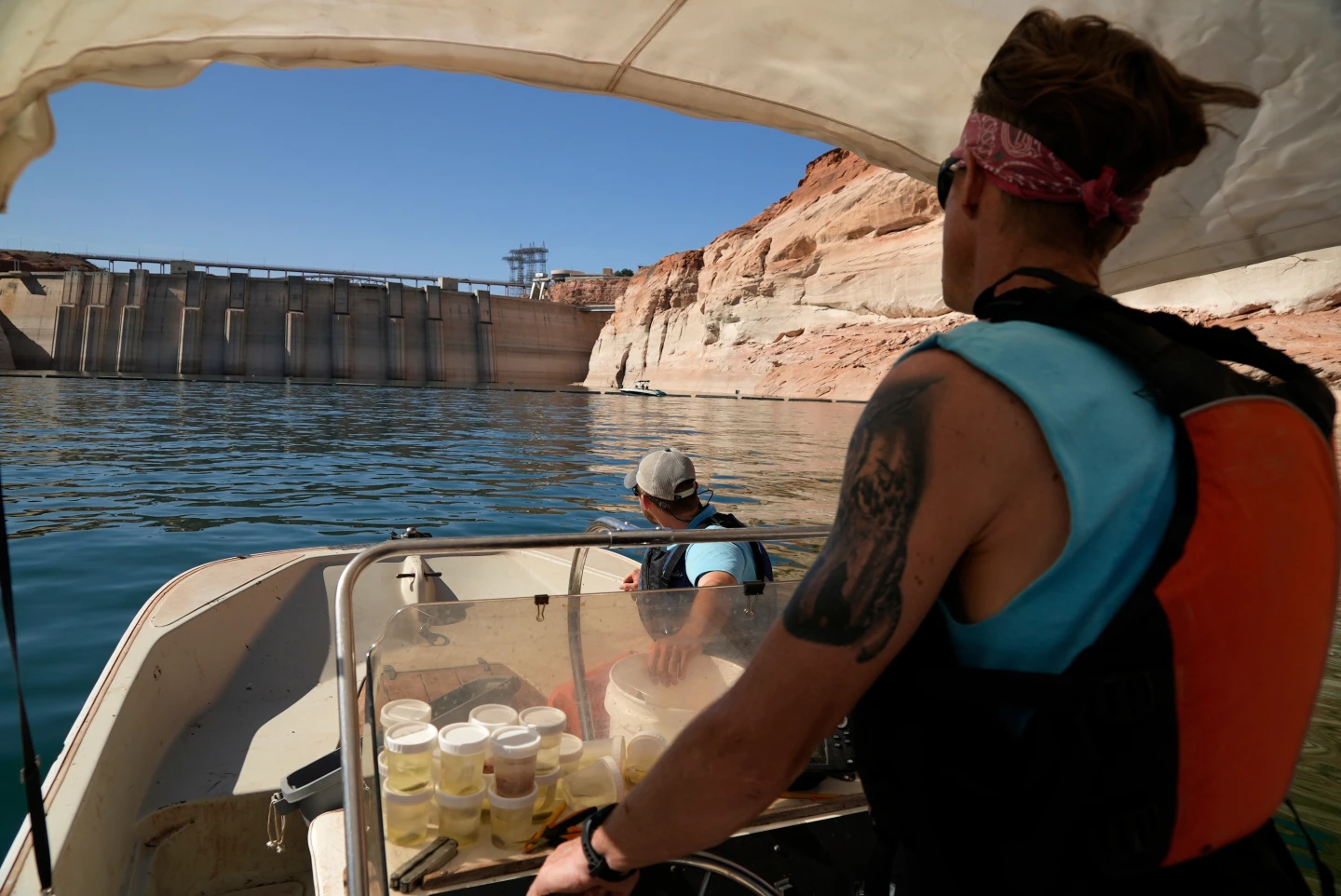
", "Official reports reveal that the Colorado River’s monumental reservoirs are shrinking faster than ever. Glen Canyon Dam, located in northern Arizona, faces the dilemma of whether to release cold, deep water—known as a “cool‑mix” flow—to protect the threatened humpback chub that lives in the river’s cooler downstream zones. While the movement would keep the water temperature below 60 °F, it would bypass the turbines that drive the dam’s pipelines, cutting about half of its hydropower output.
", "Residents of the Colorado River Basin—farmers, artists, tribal nations and over 40 million people across seven states and Mexico—depend on the river’s water and the electricity it generates. This year marks the expiration of the long‑term water‑sharing agreement that currently allocates the river’s dwindling resources. Governments have yet to forge a new plan that balances human and ecological demands.
", "Cultural and Economic Stakes: Who Pays?
", "Utility firms that rely on the dam’s hydropower warn of a steep price tag: with cool flows pumped through jet tubes that skip the turbines, the water bypassed would need to be replaced by separate power purchases, costing near $25 million in the past two years. The Utah-based Heber Light & Power, for example, has seen rate hikes in the past five years, and a recent report from the Colorado River Energy Distributors Association highlighted potential losses of up to $30 million per year if the cool water releases are approved. Ratepayers — such as Heber City’s Ann Moulton, whose bill climbed from $86 to $126 in April 2026 — are already feeling the economic pressure, with late payment rates rising from 10 % to 12 % in the current year.
", "The Hot Water Threat to Endangered Species
", "California and Utah fish biologists note that a warmer downstream flow would allow smallmouth bass and other predatory species to survive the already‑harsh turbine environment and spawn in the river’s upper reaches, putting the federally protected humpback chub at risk. In 2022, the warm water within Glen Canyon Dam’s downstream corridor spurred the first documented smallmouth bass population in the Grand Canyon, triggering a local fishery crisis when temperatures shot past 60 °F. Even a single high‑temperature day can result in a mass die‑off of rainbow trout in Marble Canyon, a stretch famed for its recreational fishing.
", "Scientific Findings and Policy Debate
", "Recent research indicates that about 50 % of smallmouth bass survive the generators and could indeed reproduce when the river is hot enough. An alternation of cool-mix releases in 2024 and 2025 effectively prevented spawning, yet the hydropower loss and energy purchase costs were significant—approximately $19 million in the 2024 release alone.
", "Those in favor argue that without cold water releases, the threat of non‑native predators will outrun protection efforts, thereby eradicating the humpback chub, destroying the trout fishery that attracts visitors, and undermining the ecological integrity of the Grand Canyon. Opponents insist on a holistic, long‑term water‑sharing agenda that addresses storage capacity, climate change, and maintenance costs for the river’s infrastructure.
", "Community Impact and the Future Path
", "Ecologists like Heather Whitlaw emphasize that “giving up on the future for any kind of recovery” would jeopardize not just one fish species but the entire riverine system. Meanwhile, Dave Foster, a long‑time guide at Marble Canyon, warns that without the cool‑mix water, future trout die‑offs could end the fishing industry for good. The Biden‑Cabinet’s Bureau of Reclamation is slated to announce a decision within weeks, balancing ecological health with hydropower viability.
", "As the Colorado River Basin faces a climate‑driven downturn, the coming decision on the Glen Canyon Dam cool‑mix flow illustrates the default trade‑off between ecological preservation and energy sustainability, steering the river’s future toward either a critical conservation effort or a stretched hydropower grid.
" ]