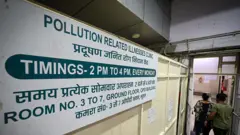
More than 200,000 cases of acute respiratory illnesses were recorded in six state-run hospitals in Delhi between 2022 and 2024 as the Indian capital struggled with rising pollution levels, the federal government has stated.
The government disclosed in parliament that upwards of 30,000 individuals suffering from respiratory illnesses required hospitalization during these three years.
Toxic air has become a persistent issue in Delhi, particularly during the winter months.
For several weeks, the city's Air Quality Index (AQI) has been over 20 times the level recommended by the World Health Organization, highlighting the severity of the pollution crisis.
Multiple factors contribute to this pressing problem, including industrial emissions, vehicular exhaust, dropping winter temperatures, low wind speeds, and the seasonal burning of crop stubble in neighboring states.
The recorded cases of acute respiratory illnesses in Delhi's six major hospitals include 67,054 in 2022, 69,293 in 2023, and 68,411 in 2024. This trend signals a direct correlation between increasing pollution levels and the rise in patients visiting emergency rooms.
Delhi's average AQI has soared over the 'severe' 400 mark repeatedly in the past decade, endangering not only those with pre-existing health conditions but also healthy individuals.
As of Wednesday morning, the average AQI in Delhi was recorded at approximately 380, according to the Safar app managed by the government.
Recent reports have highlighted a concerning influx of children in hospitals due to air pollution-related illnesses, prompting legal action calling for immediate measures to combat hazardous air pollution.
The Delhi high court is anticipated to hear a petition demanding urgent action to address the severe air quality issues in the region.
Over the years, India's top court has expressed significant concerns regarding the air quality crisis in Delhi and its surrounding areas.
}