Drought‑driven Danube uncovers WWII German soldiers and motorcycle
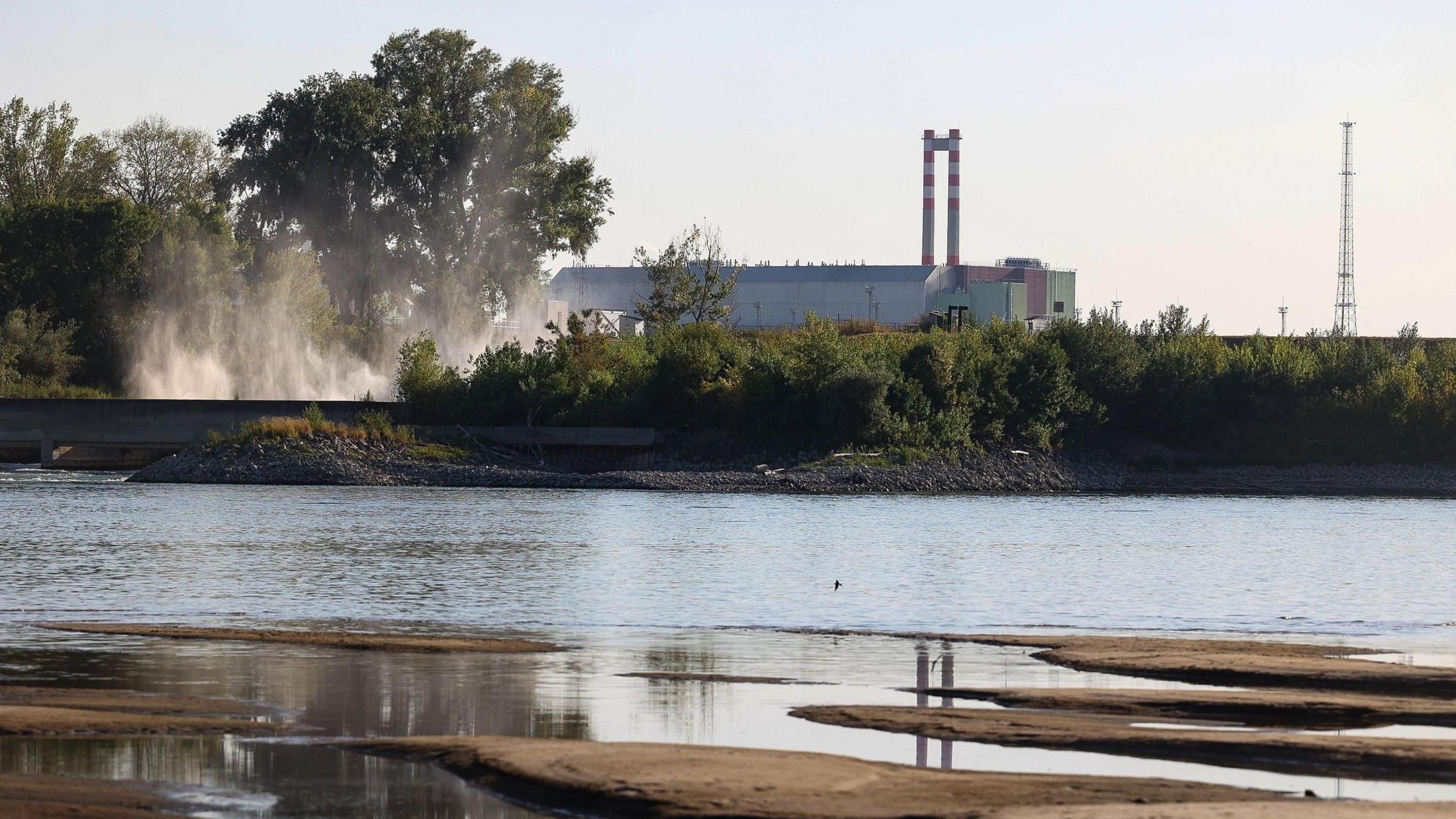
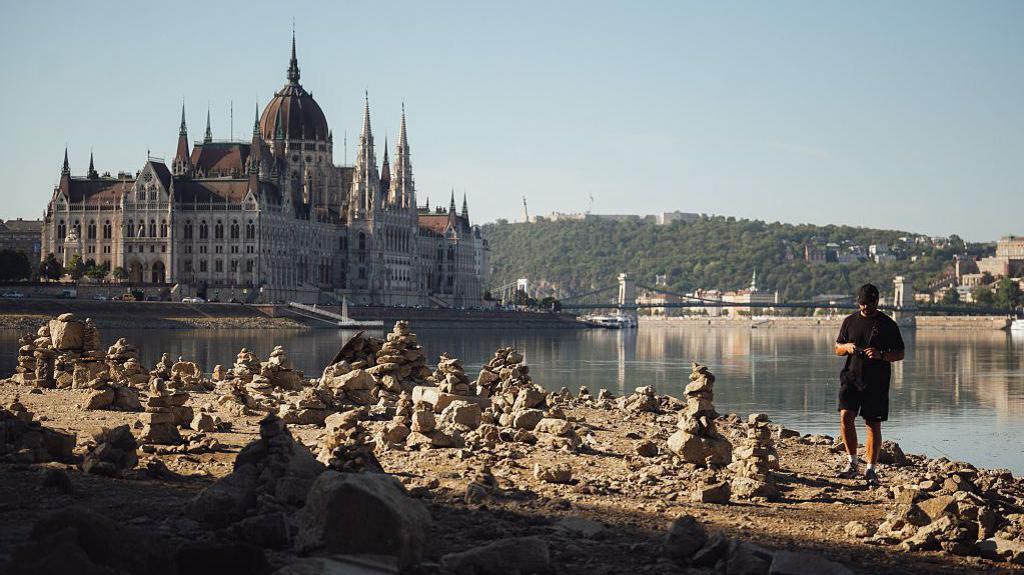
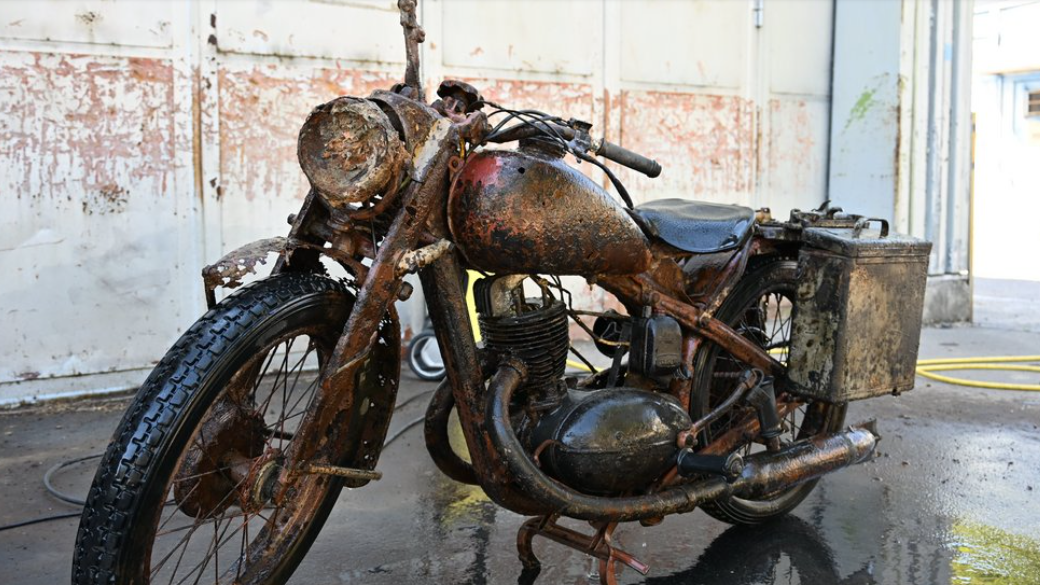
The once‑steady waters of the Danube took an unexpected turn on 2 August when a drought‑driven drop revealed the bodies of two German soldiers, their identification tags, a motorcycle and a wedding ring. The finds were reported by locals who saw a motorcycle half‑buried in the riverbank of downtown Budapest.
The German War Graves Commission (DWGC) confirmed the discovery, noting the tags belong to one Wehrmacht and one Waffen‑SS serviceman. A DKW NZ 350‑1 motorcycle, produced for wartime use, was also found intact, preserved by a mix of harbour sludge and river oil. The commission said these artifacts offer hope that families who have waited over eight decades may finally learn their relatives’ fates.
The DWGC has begun a detailed identification process. While skeletons will be examined, bone analysis is still needed to verify the names linked to the tags and the Kuban shield. The commission also urged anyone missing a relative to check the DWGC database.
The event raised safety concerns when anti‑tank mines were discovered near the wreck, prompting the temporary closure of the riverbank and the deployment of a bomb‑disposal unit. The soldiers are slated for burial at the German war cemetery in Budaörs, close to the capital, allowing dignified service after enduring the war’s long legacy.
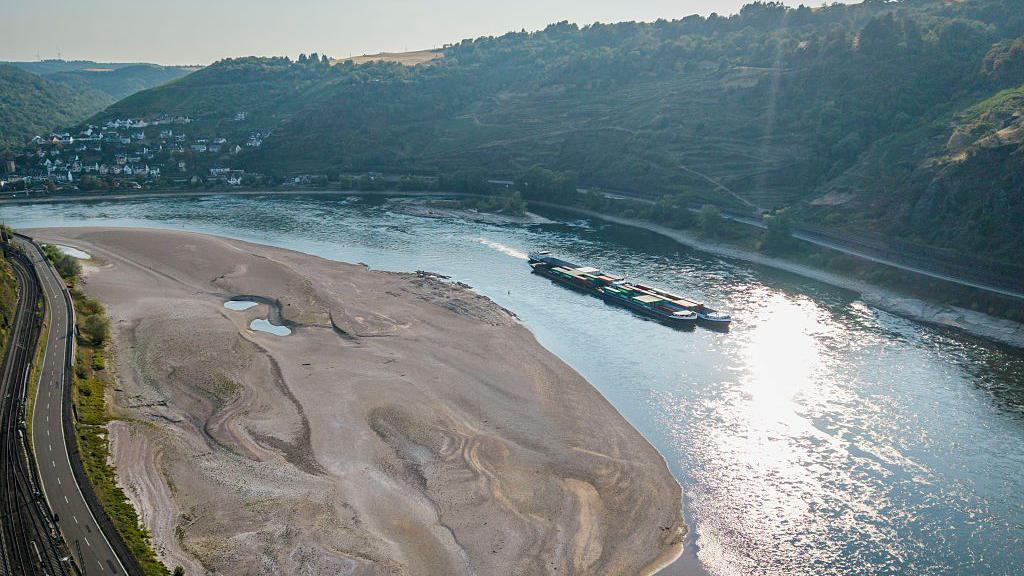
While a single video clip of the discovery was sent by the DWGC, the incident underscores how extreme weather can unearth historical artefacts, adding to recent reports of WWII wrecks reappearing in the Rhine and other European rivers. The findings invite a renewed sense of responsibility for preserving war memories in the face of climate change and public safety.