Romania shuts Cernavodă nuclear plant amid Danube drought
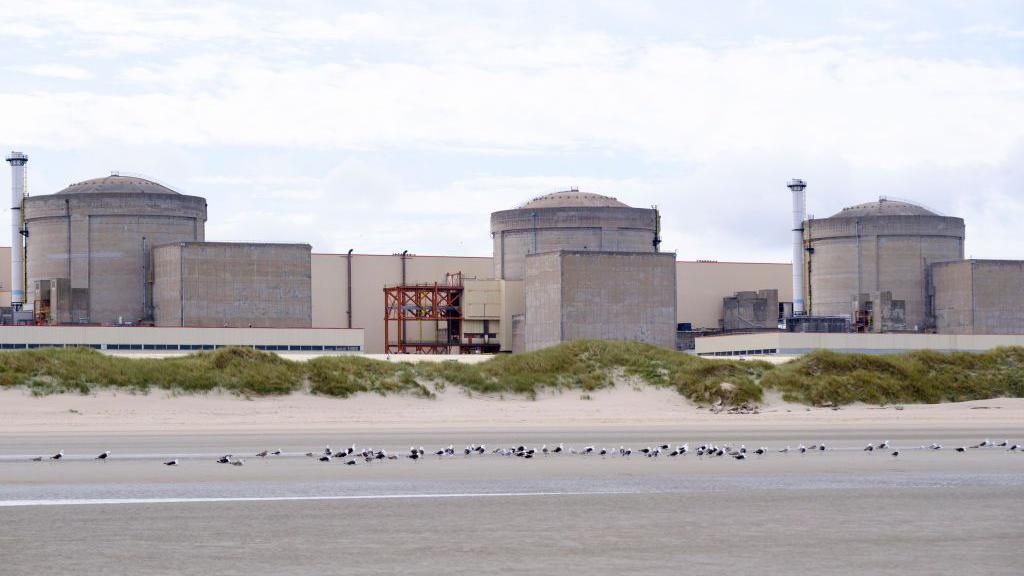
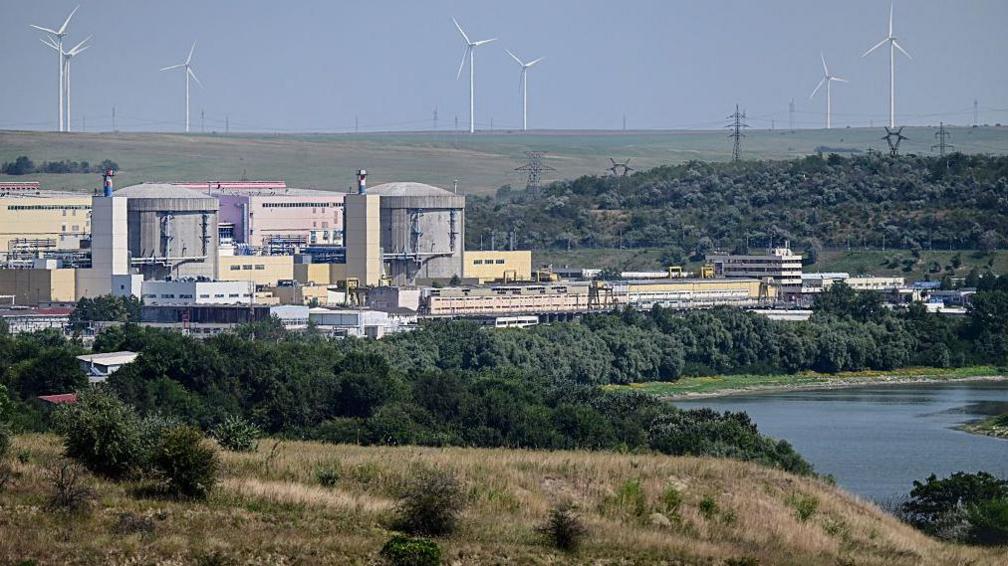
Heatwaves across Europe have forced the Danube River to record low levels, shutting Romania’s single nuclear power plant, Cernavodă, in the early hours of Thursday. The 706‑megawatt reactor, which supplies roughly 20 % of the country’s electricity, was disconnected from the grid as water for cooling fell below operational thresholds.
Romanian authorities tried to raise river flow by sinking rock‑laden barges, but the effort was insufficient. While Hungary’s Paks plant, also dependent on Danube water, managed to stay online, officials warned that prolonged drought could force a shutdown.
The brieffall in power is partly made up by solar and wind during hot days, but gas and coal plants will need to step up for the evening slump, and imports may be required to cover the deficit.
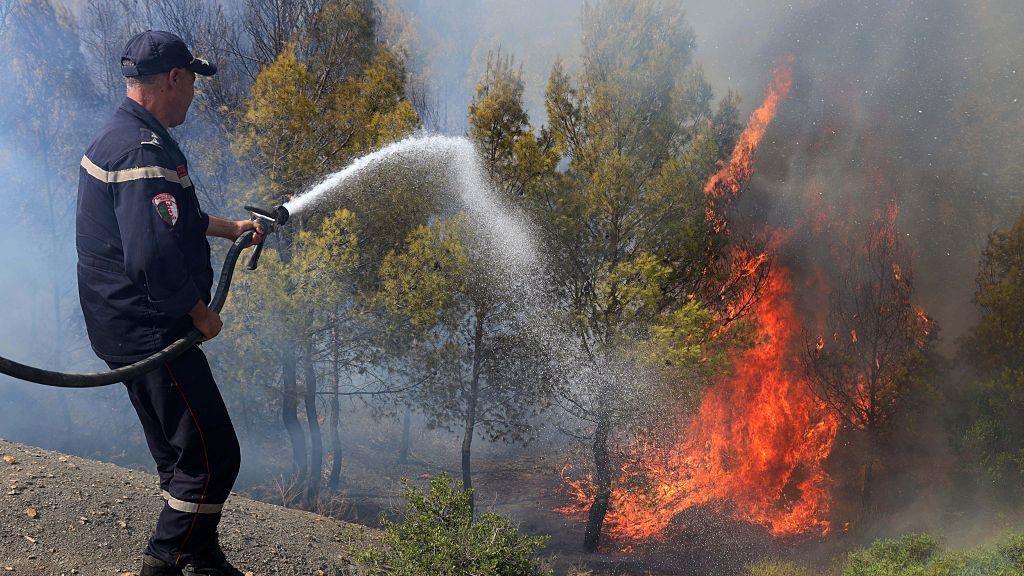
This event is part of a larger pattern: the continent is warming faster than the global average, with heatwaves, wildfires and lower river flows intensifying. The Danube, alongside the Rhine, is hitting decades‑old low‑flow levels, affecting navigation, agriculture and power generation.
The shutdown underscores how climate‑induced water shortages can jeopardise energy infrastructure and stresses the urgent need for diversified, resilient power solutions across Europe.