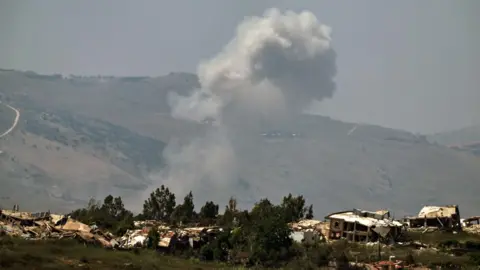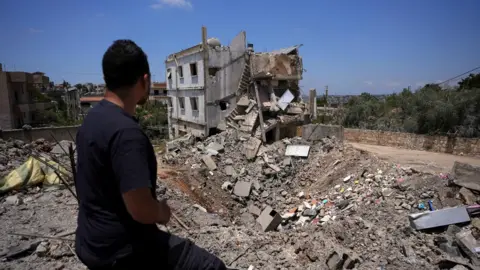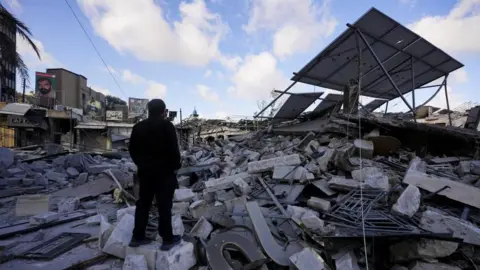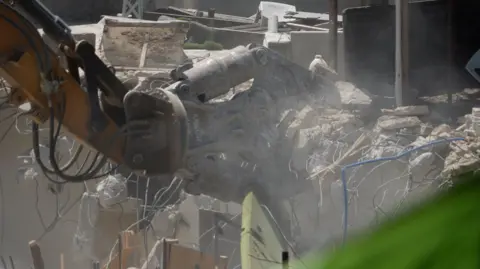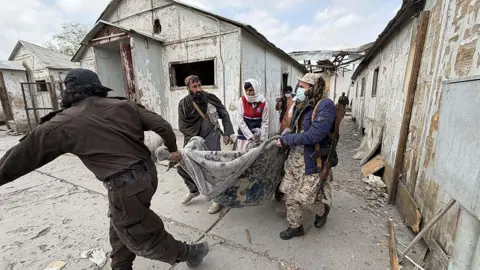
Monday's air strike on Kabul resulted in the highest number of casualties seen since hostilities began again in February.
Within hours of explosions ringing across the capital, both sides were posting on social media - a war of words as people searched for answers.
The Pakistani military regime has once again violated Afghanistan's airspace and targeted a drug rehabilitation hospital in Kabul, resulting in the death and injury of addicts who were undergoing treatment, posted Zabihullah Mujahid, the Taliban government's spokesperson, who added he considers such an act to be a crime against humanity.
On an account called Fact Checker MOIB, Pakistan's Ministry of Information responded, stamping propaganda across a picture of the Taliban spokesman's post.
Pakistan's post said, On night 16 March, Pakistan precisely targeted military installations and terrorist support infrastructure including technical equipment storage and ammunition storage of Afghan Taliban and Fitna al-Khawarij (Pakistan's term used to refer to the Pakistani Taliban) in Kabul and Nangarhar that were being used against innocent Pakistani civilians.
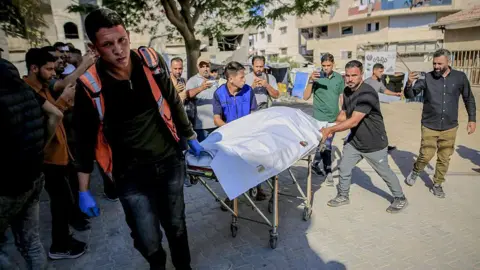
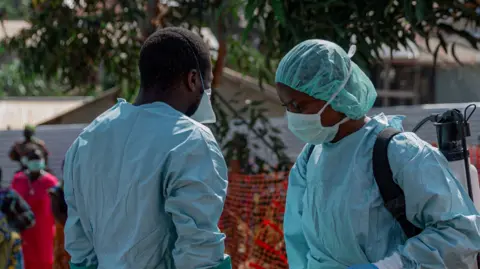
By the morning, the Afghan Taliban officials claimed that the death toll in the strike was more than 400. The BBC could not independently verify this total but was told by sources that more than 100 had been killed. The United Nations Assistance Mission to Afghanistan later said they verified 143 deaths and 119 injured at the centre, suggesting this number could increase as they continue the process.
Despite media and UN reports that a drug rehabilitation facility had been impacted, Pakistan's military has not acknowledged civilian casualties. Instead, its military spokesman levied more accusations.
The week has been indicative of how this conflict has played out. Neither side is holding back militarily – air strikes from Pakistan, drones from the Taliban government – nor in their language. These posts and headlines can tell us something about the way both sides think about this conflict; from allies to enemies, now digging in, leaving little space for reconciliation.
Both sides blame the other for initiating the conflict. Pakistan says this is about terrorism. Militant attacks inside Pakistan have claimed an increasing number of lives; 2025 was the most violent year in a decade for militancy, according to Islamabad-based think-tank the Centre for Research and Security Studies. Pakistan has long accused the Taliban government of harbouring militant groups inside its borders that carry out attacks on Pakistan and accused India of supporting militancy there.
If attacks continue, Taliban officials have made clear that Pakistan can expect the same in return. Islamabad will be targeted just as they target Kabul, warned Mullah Yaqoob, the Taliban's defence minister.
As both sides cement their positions, testing the boundaries with increasingly aggressive statements and attacks, that space for reconciliation is shrinking.