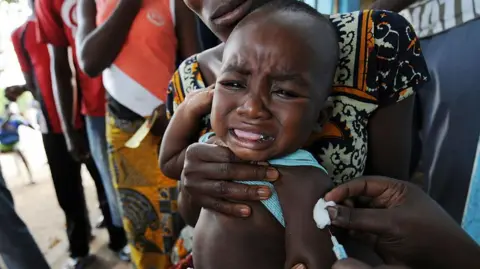
NEW YORK (AP) - In a significant move, a federal vaccine advisory committee will meet to discuss whether newborns should continue to receive the hepatitis B vaccine—an intervention initially established as a critical step in cancer prevention.
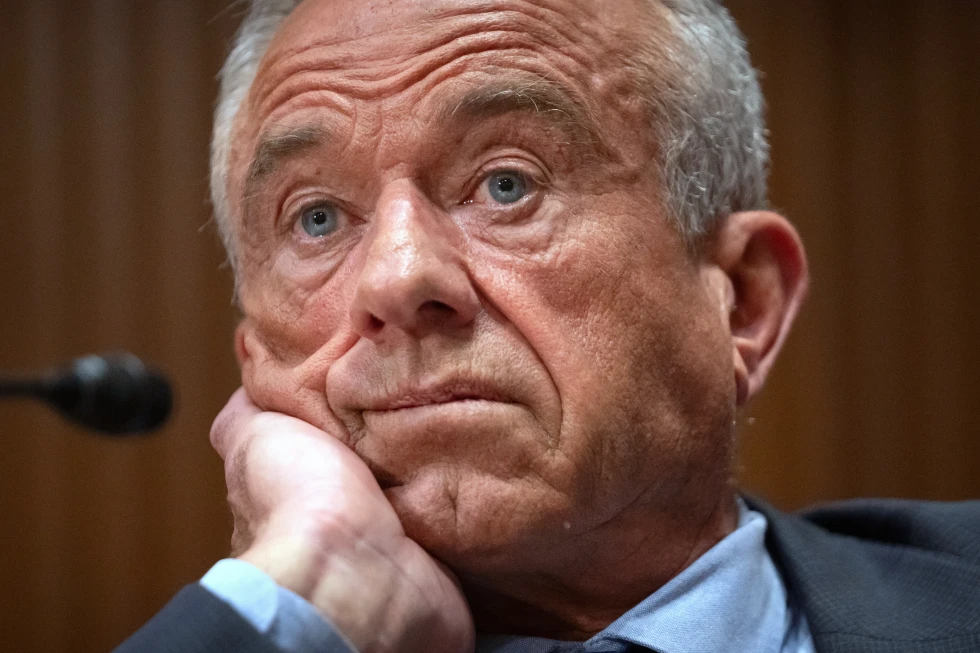
Historically, U.S. Health guidelines have mandated that all infants receive this vaccine within their first day of life to protect them from hepatitis B, a virus that can cause severe liver disorders. However, recent changes suggested by Health Secretary Robert F. Kennedy Jr.'s committee could redefine this policy, contradicting established public health recommendations.
The American Academy of Pediatrics has voiced its intention to maintain its stance on immediate vaccination, advocating for the guidelines that indicate the birth dose prevents vital health complications. Dr. Sean O’Leary, representing the organization, emphasized, “We are going to continue to recommend it because it saves lives.”
Understanding Hepatitis B
Hepatitis B is a potentially life-threatening liver infection that can become chronic, particularly in infants, leading to severe complications, including cirrhosis and liver cancer. Transmission can occur from an infected mother to her child, and a staggering 90% of infants who contract the virus risk long-term complications.
Approximately 2.4 million individuals in the U.S. are living with hepatitis B without realizing it, highlighting the urgency of effective vaccination strategies. Experts believe that vaccinating at birth significantly reduces the incidence of the virus among children.
The Longstanding Vaccine Recommendation
The Advisory Committee on Immunization Practices (ACIP) has historically influenced vaccine directives. Since the early 1990s, the recommendation for a hepatitis B vaccine at birth has seen significant support, initially introduced to combat rising infections.
Current guidelines require that eligible infants receive their first dose within the first 24 hours after birth, supplemented with follow-up doses at 1 month and 6 months. While the vaccination program has been heralded as a success, reducing the number of pediatric cases dramatically, the recent committee's proposed discussions have sparked controversy.
Committee’s Changing Composition
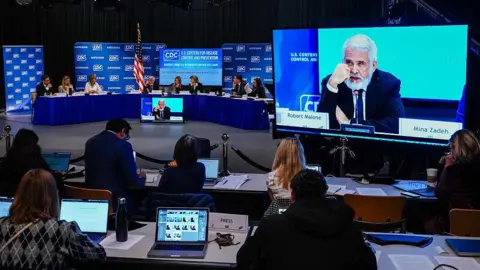
Under Kennedy’s leadership, the committee has undergone notable changes, with the appointment of several members skeptical of traditional vaccination practices. Concerns voiced during recent meetings question the necessity and safety of administering vaccines at such an early stage.
Dr. Evelyn Griffin, one committee member, raised a pivotal query: “Are we asking our babies to solve an adult problem?”
Questions about safety and consent have further complicated the narrative, prompting calls for transparency in the committee’s decision-making process.
Possible Consequences of Delayed Vaccination
Anticipation mounts about the potential consequences should the recommendation change. Public health analysts predict that delaying the first dose of the vaccine could lead to thousands of additional hepatitis B infections and fatalities among children.
Nevertheless, experts like Dr. O’Leary argue that even a change in recommendation might not drastically alter current hospital practices, where vaccinations are systematically administered as part of the delivery process.
Community Reactions and Legislative Response
Multiple health organizations, including state coalitions, have decried any shift away from immediate vaccinations, asserting it is vital for public health. Sen. Patty Murray has publicly criticized the potential policy reversal, stating that failing to vaccinate newborns against hepatitis B is “a heartless choice to allow babies to die.”
The upcoming committee meeting is poised to shape the future of hepatitis B vaccination strategies, and echoes from public health advocates suggest a robust fight for maintaining vital practices that ensure infant health.