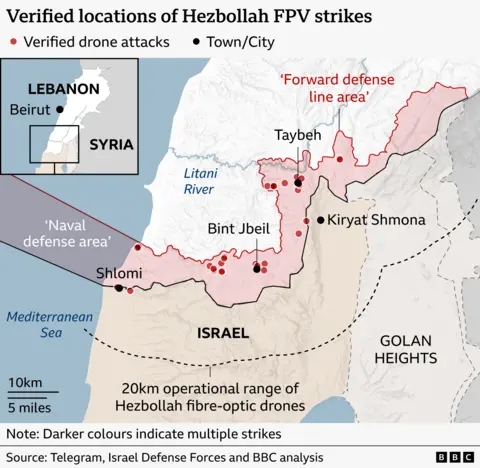
Hezbollah has significantly increased its deployment of small first-person view (FPV) drones targeted at Israel, employing tactics that leverage fiber-optic cables for control to sidestep sophisticated defense systems. A recent investigation by BBC Verify identified 35 videos documenting FPV drone strikes shared by Hezbollah since March 26, indicating a troubling trend for the Israel Defense Forces (IDF). Experts express concern that the IDF has yet to establish effective countermeasures to combat these evolving drone tactics.
These FPV drones, often made from commercially available parts, are relatively inexpensive compared to the high-value military targets they can potentially destroy. During the Russia-Ukraine conflict, similar low-cost drone strategies witnessed extensive use, altering modern warfare dynamics. Israeli media reports suggest that, while not officially confirmed, the strikes have resulted in fatalities, including the deaths of four IDF soldiers and one civilian.
In response, the IDF acknowledges the drone threat and is investing in enhanced defense strategies, alert systems, and training for troops to improve readiness against such threats. Military experts note that Hezbollah's locally assembled FPV drones, capable of evading radar detection, are being used against armoured vehicles and have instilled significant psychological stress among Israeli troops.
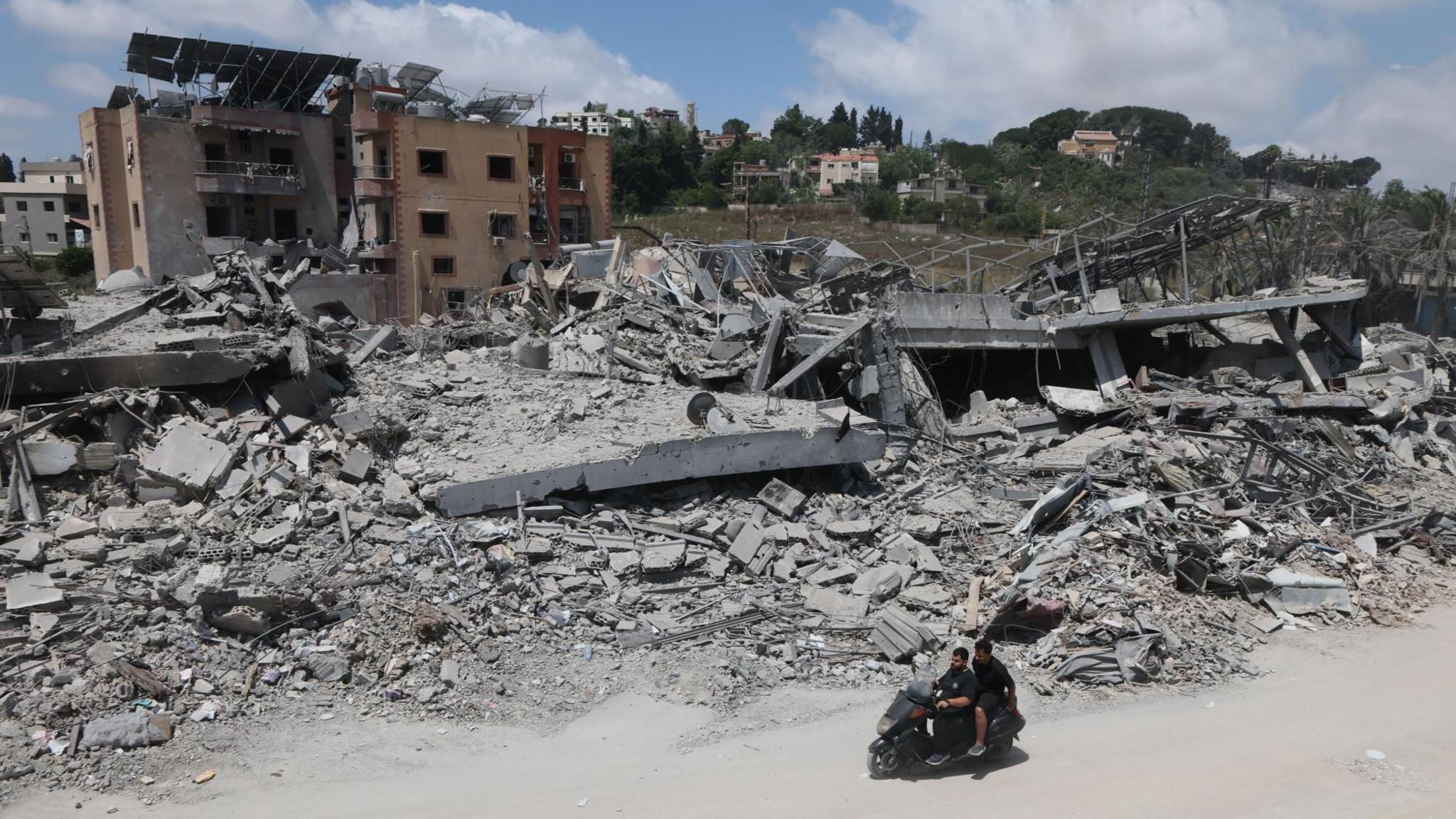
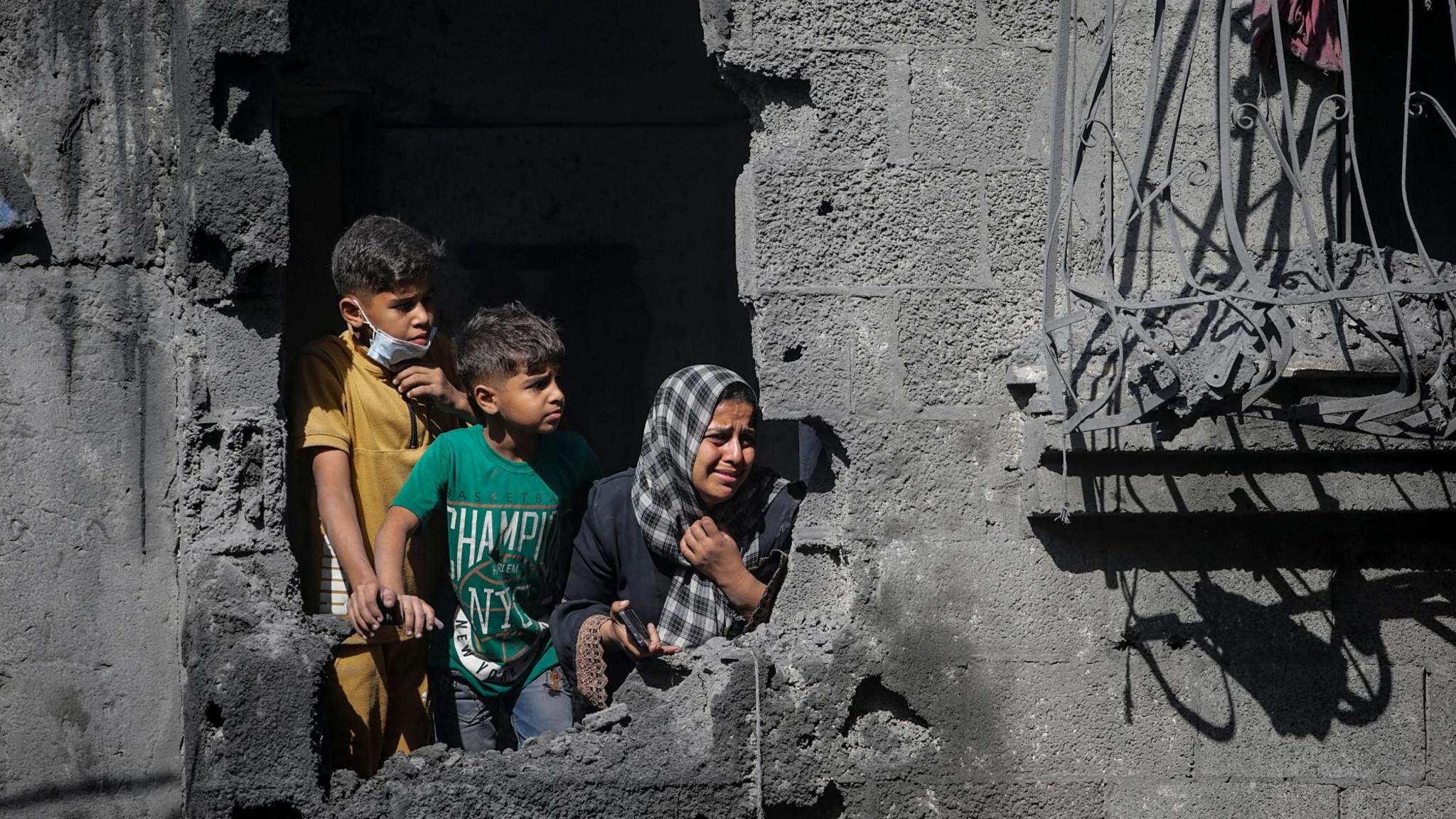
BBC Verify also documented instances of attacks on IDF soldiers and significant military equipment, illustrating a marked shift in Hezbollah's operational capacity since the current conflict's escalation began on March 2, following air strikes that killed Iranian supreme leader Ayatollah Ali Khamenei. The ongoing violence has led to thousands of casualties and extensive displacement in the region.
These FPV drones, often made from commercially available parts, are relatively inexpensive compared to the high-value military targets they can potentially destroy. During the Russia-Ukraine conflict, similar low-cost drone strategies witnessed extensive use, altering modern warfare dynamics. Israeli media reports suggest that, while not officially confirmed, the strikes have resulted in fatalities, including the deaths of four IDF soldiers and one civilian.
In response, the IDF acknowledges the drone threat and is investing in enhanced defense strategies, alert systems, and training for troops to improve readiness against such threats. Military experts note that Hezbollah's locally assembled FPV drones, capable of evading radar detection, are being used against armoured vehicles and have instilled significant psychological stress among Israeli troops.
BBC Verify also documented instances of attacks on IDF soldiers and significant military equipment, illustrating a marked shift in Hezbollah's operational capacity since the current conflict's escalation began on March 2, following air strikes that killed Iranian supreme leader Ayatollah Ali Khamenei. The ongoing violence has led to thousands of casualties and extensive displacement in the region.