
In brief
Hurricane Melissa, a Category 4 storm with winds of up to 130 mph, is expected to strike eastern Cuba, causing catastrophic damage. Over 700,000 people have been evacuated amid warnings of severe flooding and landslides. The storm has already impacted Jamaica, leading to significant destruction and multiple fatalities. Authorities are working to manage the crisis and provide support for evacuees.
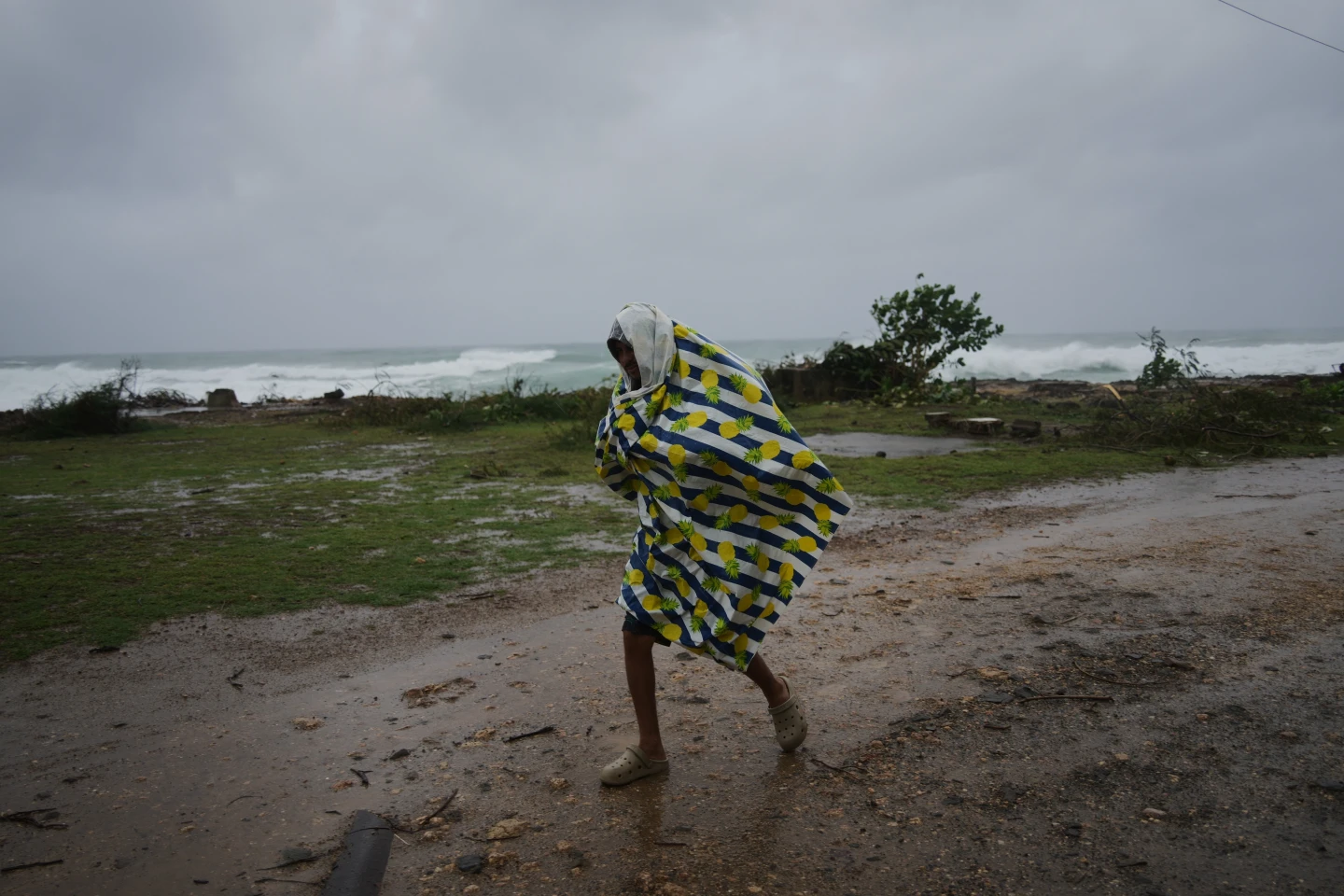
SANTIAGO DE CUBA, Cuba (AP) — Hurricane Melissa barreled toward eastern Cuba, where it is predicted to make landfall as a major storm on Wednesday after causing significant destruction in Jamaica. Melissa, recorded as one of the strongest Atlantic hurricanes, has already prompted Cuban authorities to evacuate over 700,000 residents to safety.
According to Granma, the official newspaper, the Category 4 hurricane could result in devastating impacts in the province of Santiago de Cuba and surrounding regions. A hurricane warning has been issued for Granma, Santiago de Cuba, Guantanamo, Holguin, and Las Tunas, extending to the southeastern and central Bahamas, while a watch is in effect for Bermuda.
As of Tuesday night, the hurricane boasted top sustained winds of 130 mph (215 kph), moving northeast at 9 mph (15 kph), with the eye of the storm located about 110 miles (175 kilometers) southwest of Guantánamo. The storm's projected track suggests it will traverse the island through the night.
The impending storm may generate storm surges of up to 12 feet (3.6 meters) and could dump up to 20 inches (51 centimeters) of rain in parts of eastern Cuba, raising concerns about flooding and landslides. Michael Brennan, the director of the U.S. National Hurricane Center, has warned of possible landslides in the affected areas.
“There will be a lot of work to do. We know there will be a lot of damage,” said President Miguel Díaz-Canel during a televised address, assuring citizens that resources would not be spared to protect lives.
Meanwhile, Jamaica is assessing the damage from the storm that has already wreaked havoc there, causing extensive destruction, flooding, and widespread power outages, with over half a million customers affected. The storm has been linked to at least seven fatalities across the Caribbean, including three in Jamaica and others in Haiti and the Dominican Republic.
As Cuba braces for the storm, evacuations and preparations continue, highlighting the urgent need to manage the impact of this catastrophic weather event amidst already existing crises on the island.
