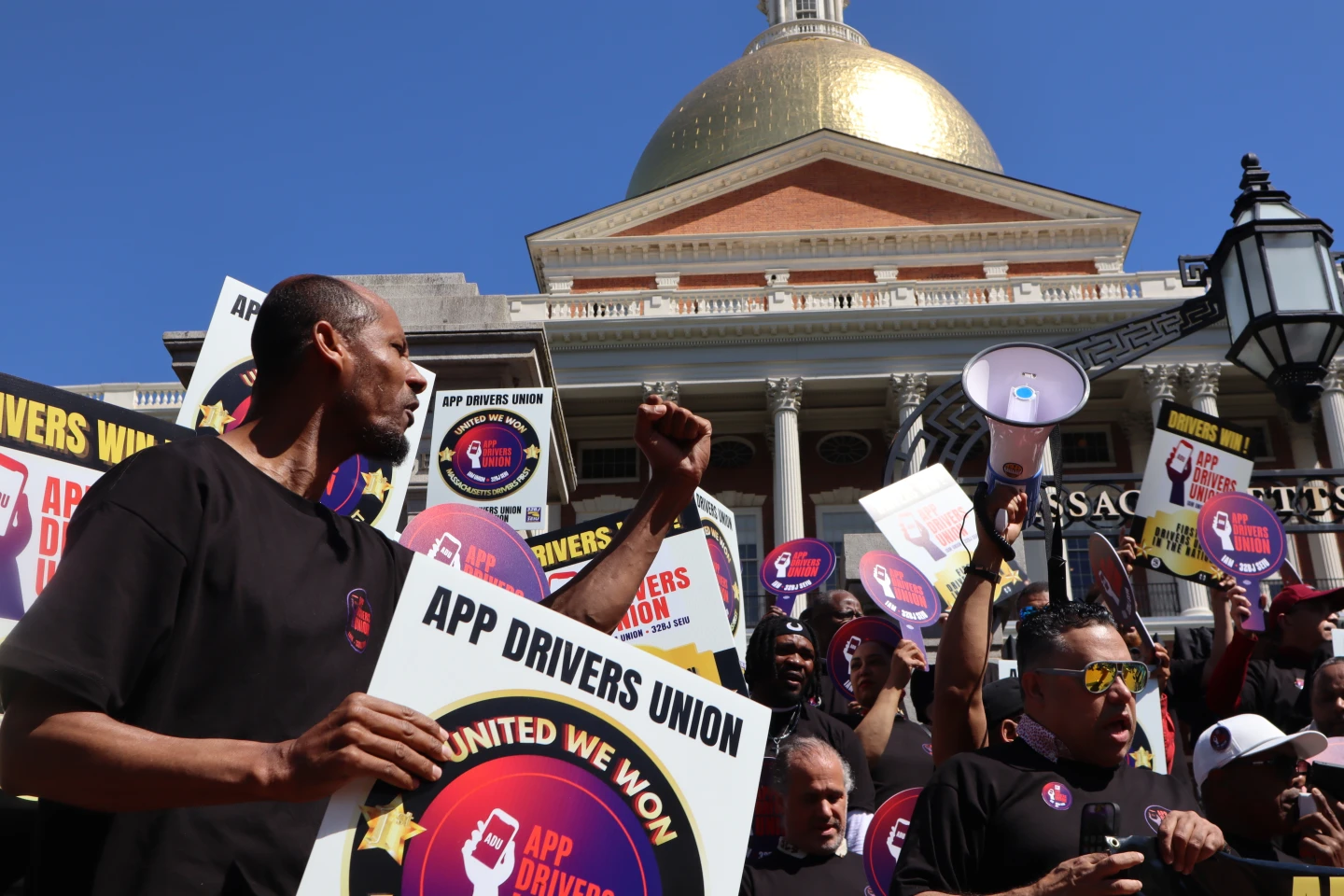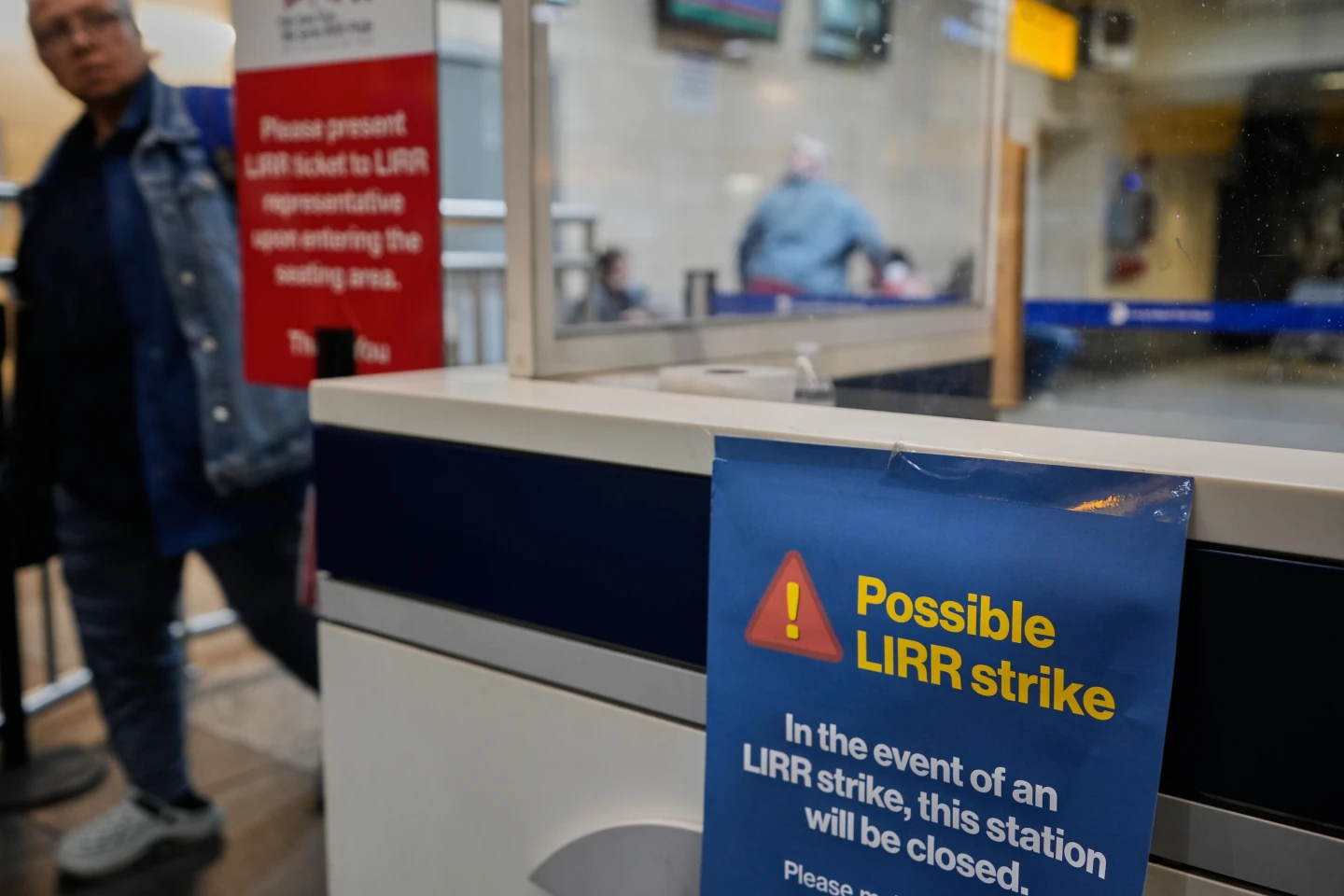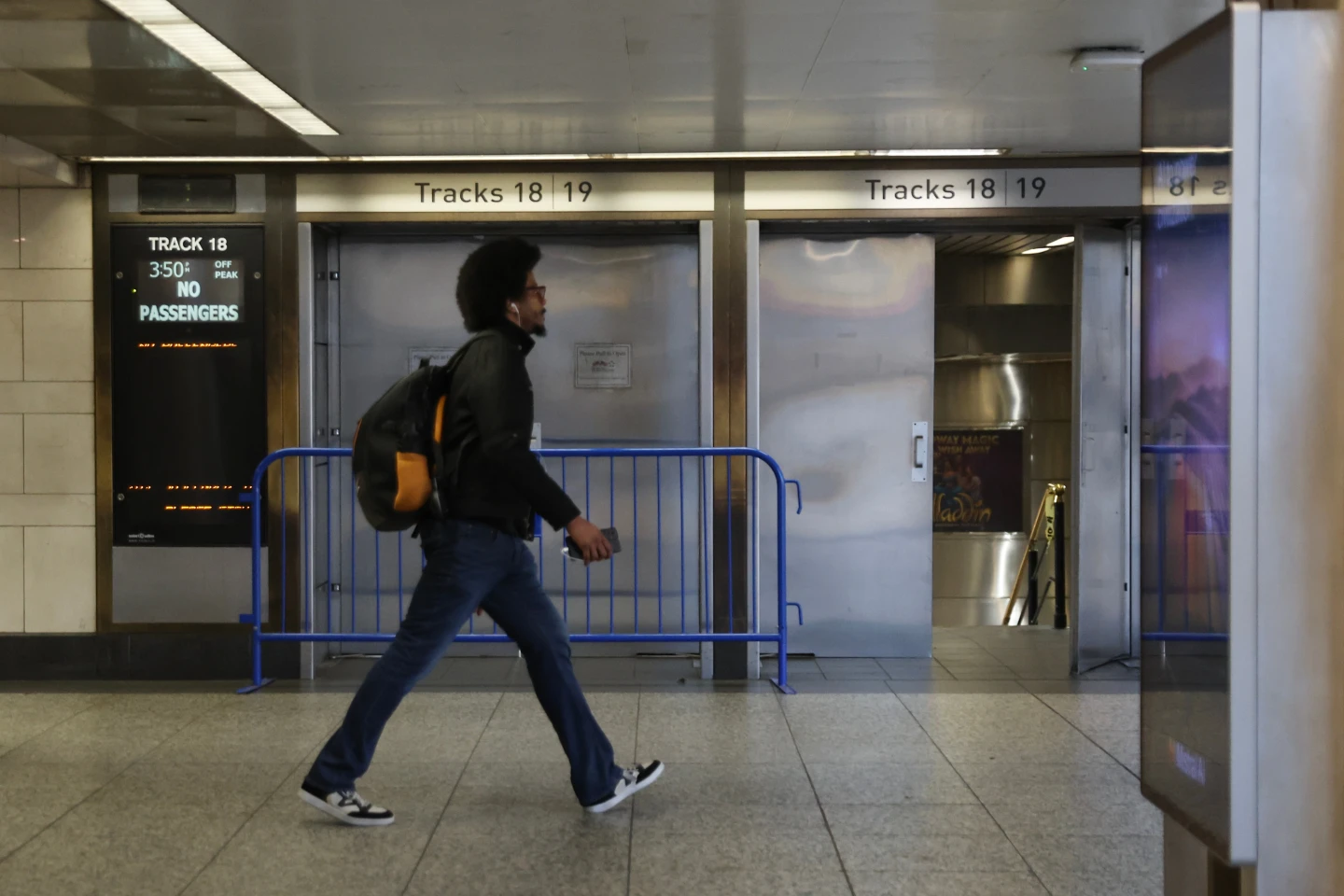
NEW YORK — The Long Island Rail Road (LIRR), North America’s largest commuter rail system, was brought to a halt on Saturday as unionized workers commenced a strike. This unprecedented walkout affects the transportation of approximately 250,000 daily commuters, with significant fallout aimed at weekend sports fans looking to attend games at iconic venues without convenient rail access.
This labor action was taken after months of unsuccessful negotiations between the unions, which represent almost half the workforce, and management from the Metropolitan Transportation Authority (MTA). The strike became legally permissible at 12:01 a.m. Saturday, with no new negotiations in sight according to union officials.
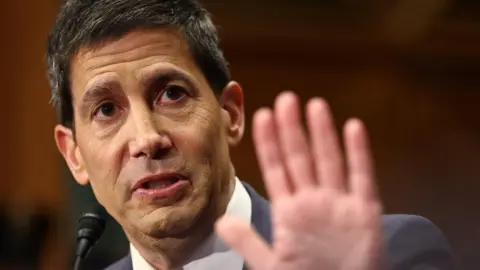
Kevin Sexton, National Vice President of the Brotherhood of Locomotive Engineers and Trainmen stated, We’re far apart at this point. We are truly sorry that we are in this situation. Meanwhile, MTA Chairman Janno Lieber argued that the agency had already met union demands in terms of pay, suggesting that unions had premeditated plans to strike.
This is the first strike in LIRR history since a brief two-day action in 1994. The stoppage happens against a backdrop of growing concerns about record inflation and cost-of-living increases that have severely affected workers’ livelihoods. Duane O’Connor, a striking worker, expressed deep regret over the disruption: I feel terrible. This is going to hurt the island, this is going to hurt the city. All we are asking for is fair wages.
The agency has proposed limited shuttle services to assist commuters, although experts warn that these measures may not cope with the usual ridership loads. In light of ongoing contract disputes, many fear that delays could extend into Monday, forcing commuters into lightened traffic conditions or congested roads as workers adjust to the reality of increased vehicle use.
Governor Kathy Hochul has encouraged telecommuting where possible. However, many workers in essential sectors like healthcare and construction face challenges in adapting to remote work norms. Commuters are alerting MTA that fair wages cannot come at the price of significantly increasing fares, which could double expected rates due to inflation adjustments.
Analysts caution that with elections looming, particularly for Hochul, resolving this dispute swiftly is critical to avoid significant fare hikes that could influence voter sentiments on Election Day.