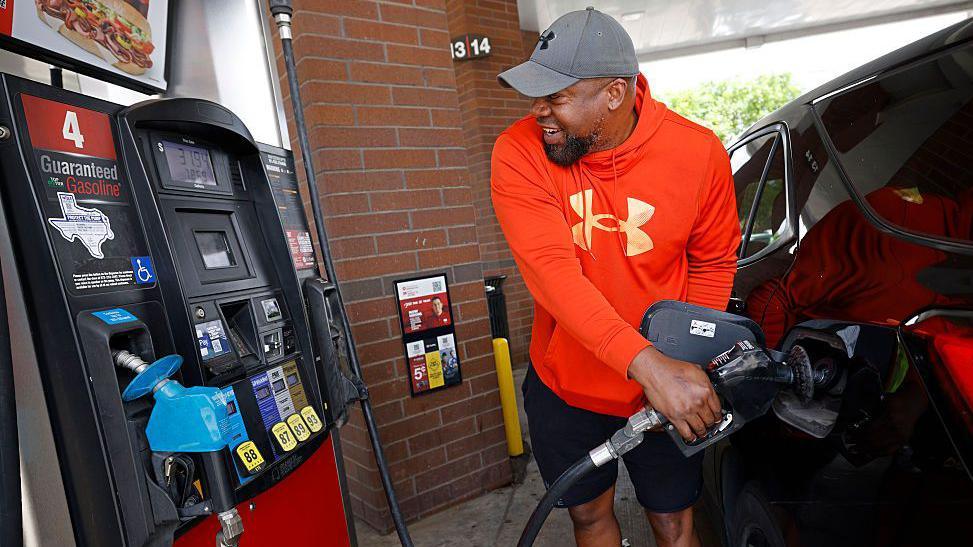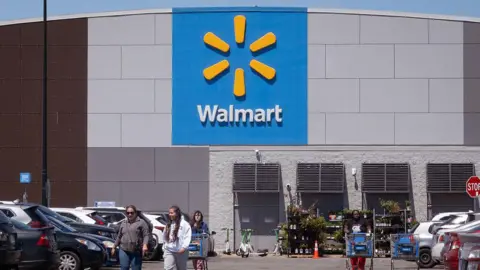
Walmart has issued a stark warning that escalating petrol prices—driven by the ongoing conflict with Iran—are forcing American consumers to significantly reduce spending on other goods and services. The retail giant, which reported strong first-quarter performance with sales rising 7.3% to $177.8 billion and profits up 18.8% to $5.3 billion, now predicts sales growth will slow to between 4% and 5% in the second quarter. This significant deceleration follows the company's announcement that the average price of gasoline has jumped to $4.56 per gallon, up from $3 at the start of the war.
The company's finance chief, John David Rainey, explained that while tax refunds from President Trump's One Big Beautiful Bill Act had previously offset some of the pressure from rising fuel costs, this financial cushion is now diminishing. 'As we're in a period of time right now where those tax refunds are largely not coming in, I think consumers are going to feel more of that pressure from higher fuel prices,' Rainey stated during an investor call. The retailer is 'keeping a close eye' on petrol prices, with Rainey warning that costs may remain high for months to come.
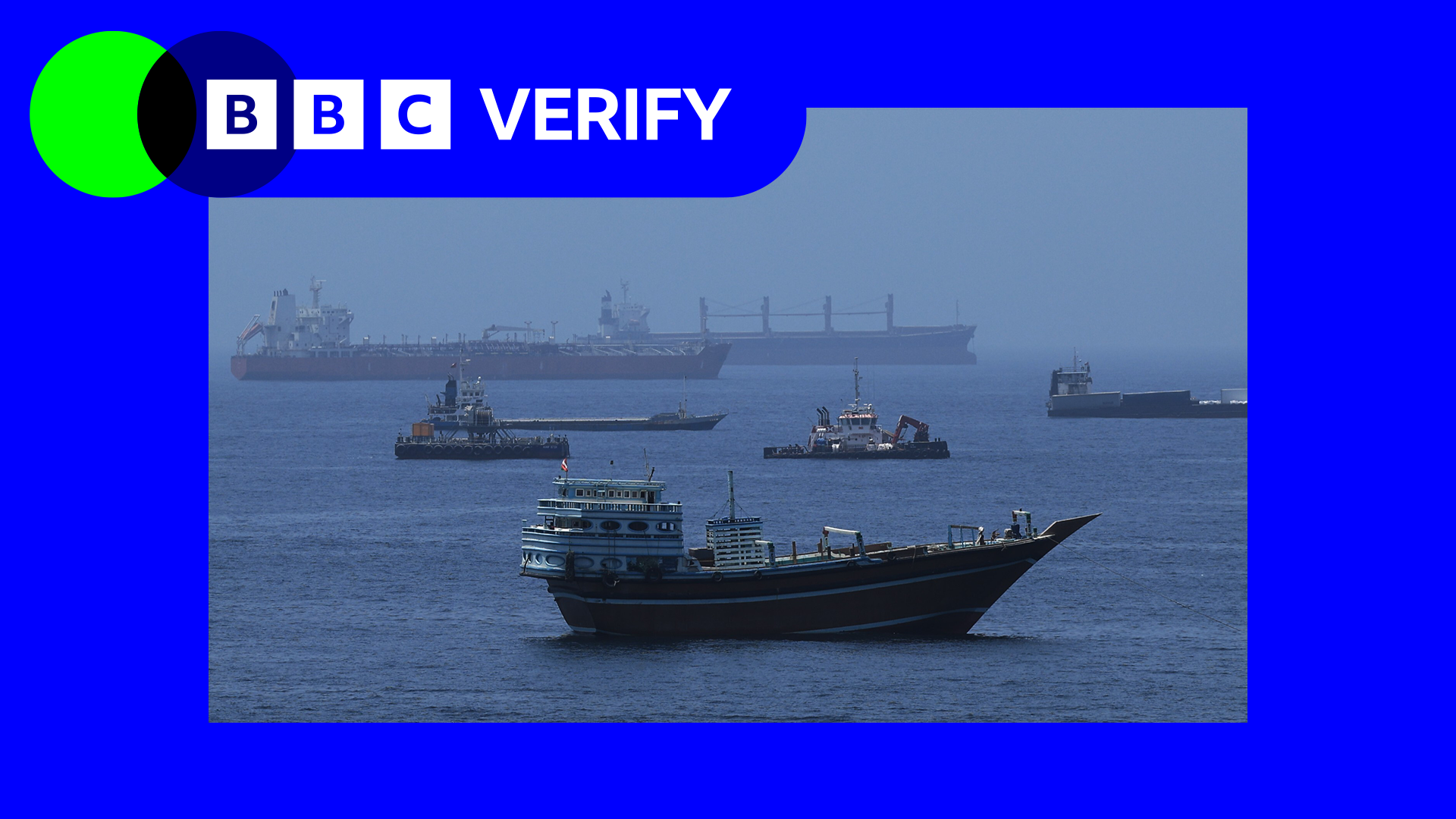
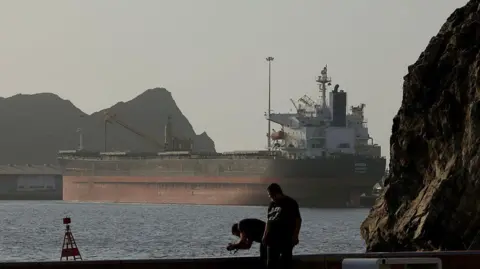
Beyond immediate fuel expenses, Walmart has raised alarms about potential food inflation. Rainey noted that if the Strait of Hormuz remains closed, the retailer could face shortages of key fertilizers like nitrogen and phosphates, potentially forcing food price increases. This concern follows a similar warning from the U.S. Department of Agriculture about global supply chain vulnerabilities.
Walmart's warning has triggered market reactions—its shares fell 7% following the guidance. AJ Bell analyst Danni Hewson confirmed the significance of the warning, stating it demonstrates 'how the fuel shock is affecting consumer spending power in the U.S.' However, she added that consumers seeking value will likely continue to favor Walmart, which has positioned itself as a 'value' retailer through recent price cuts.
The company's financial performance remains robust, with its first-quarter profit reaching $5.3 billion. Yet as consumers navigate rising costs, Walmart's outlook highlights an accelerating economic reality: the Middle East conflict is reshaping American consumption patterns. As the retail giant's warning underscores, households are increasingly stretched between essential needs, with energy costs becoming a critical budgeting constraint. This pressure is likely to intensify as the war continues, with Walmart serving as a barometer for broader American economic resilience.}
The company's finance chief, John David Rainey, explained that while tax refunds from President Trump's One Big Beautiful Bill Act had previously offset some of the pressure from rising fuel costs, this financial cushion is now diminishing. 'As we're in a period of time right now where those tax refunds are largely not coming in, I think consumers are going to feel more of that pressure from higher fuel prices,' Rainey stated during an investor call. The retailer is 'keeping a close eye' on petrol prices, with Rainey warning that costs may remain high for months to come.
Beyond immediate fuel expenses, Walmart has raised alarms about potential food inflation. Rainey noted that if the Strait of Hormuz remains closed, the retailer could face shortages of key fertilizers like nitrogen and phosphates, potentially forcing food price increases. This concern follows a similar warning from the U.S. Department of Agriculture about global supply chain vulnerabilities.
Walmart's warning has triggered market reactions—its shares fell 7% following the guidance. AJ Bell analyst Danni Hewson confirmed the significance of the warning, stating it demonstrates 'how the fuel shock is affecting consumer spending power in the U.S.' However, she added that consumers seeking value will likely continue to favor Walmart, which has positioned itself as a 'value' retailer through recent price cuts.
The company's financial performance remains robust, with its first-quarter profit reaching $5.3 billion. Yet as consumers navigate rising costs, Walmart's outlook highlights an accelerating economic reality: the Middle East conflict is reshaping American consumption patterns. As the retail giant's warning underscores, households are increasingly stretched between essential needs, with energy costs becoming a critical budgeting constraint. This pressure is likely to intensify as the war continues, with Walmart serving as a barometer for broader American economic resilience.}