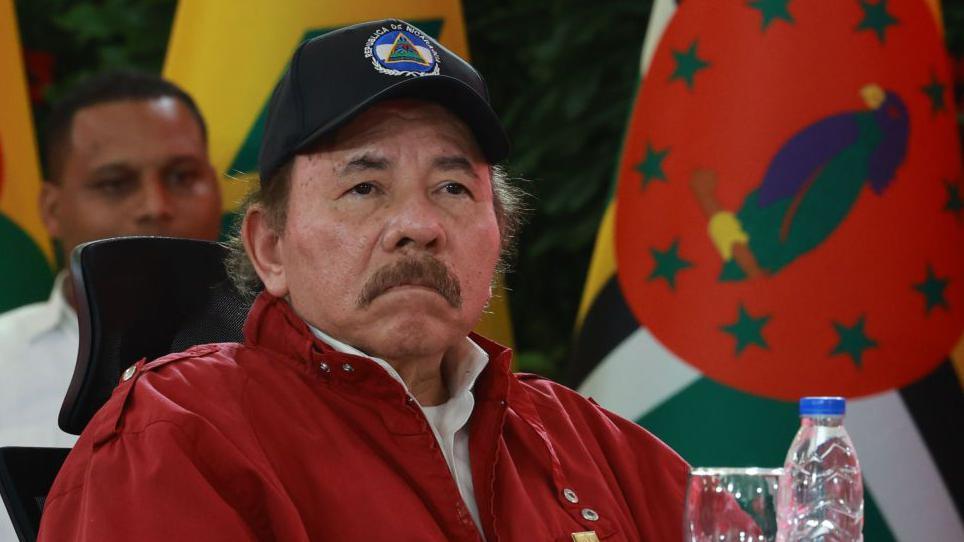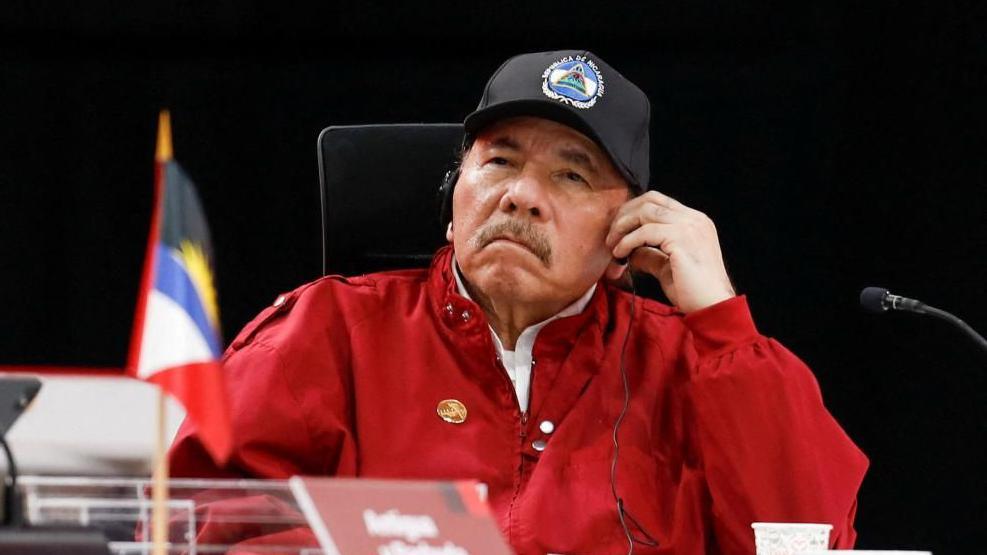
Nicaragua’s government‑controlled National Assembly is debating a bill that would bar opposition parties from participating in future elections, a move coming after President Daniel Ortega publicly warned that the opposition should no longer try to seize power.
On Sunday, during a speech marking the anniversary of the Sandinista revolution, Ortega declared that the opposition, whom he alleged was financed by the United States, was conspiring to win an election. He promised “laws that would create a wall to block coup mongers,” condemning dissent as a threat to his regime.
The remarks drew swift rebuke from the UN’s High Commissioner for Human Rights, Volker Türk, who said people of all political viewpoints must be allowed to vote and run for office. U.S. Secretary of State Marco Rubio decried the rhetoric as a “true authoritarian nature” and noted Ortega and his wife have abandoned the pretense of popular consent.
Ortega, 80, has ruled since 2007, tightening control through the jailing of opposition figures, forcing many into exile and stripping them of citizenship. After his 2021 election win – achieved after a brutal crackdown on rivals – he extended the presidential term to six years in 2025, also granting his wife Rosario Murillo the title of “co‑president.”
Opposition leaders in exile, such as Juan Sebastián Chamorro and Felix Maradiaga, have warned that Ortega’s latest proposals signal a shift toward a one‑party state modeled on China or North Korea. They argue that the push to extinguish dissent illustrates the regime’s fear that the desire for change remains alive.
The National Assembly is expected to vote on the bill in early August, a decision that could further entrench Ortega’s dominance and reshape Nicaragua’s democratic landscape.