In brief
The US–Iran deal announced last week promised a free, open Strait of Hormuz. Yet only seven vessels have crossed the channel and almost six hundred remain trapped in the Persian Gulf. Maritime experts point to three main hurdles: the heightened risk of military fire, the threat of unseen sea mines, and a looming proposal for toll fees that could slow traffic. As war‑intense skies flare, shipping companies weigh the danger of the first convoy, while naval forces scramble to clear mines and near‑speed vessels must navigate a body of water that still carries political uncertainty.
When President Donald Trump announced the U.S. deal with Iran, he urged shipping companies worldwide to resume their passage through the Strait of Hormuz, calling it a “toll‑free” opening. The fierce expectation that the waterway would soon pulse with tanker traffic has fallen short. Preliminary MarineTraffic data shows only seven vessels have managed to transit since the agreement, whereas more than 580 ships remain in the Gulf, waiting to roll out toward open waters.
Experts explain that three interlocked obstacles are stalling the traffic flow.
1. Heightened Security Risks
Iran’s government has warned that it will fire on any ship attempting to cross the Strait without approval. Washington’s naval blockade of Iranian ports—implemented on 13 April—has only intensified the risk, with nine “non‑compliant” vessels having been struck or disabled by U.S. missiles. A senior risk analyst stressed that “it would take an extremely brave captain to transit through the Strait of Hormuz, given the current state.” The psychological weight of potential firepower dissuades many operators from moving forward.
2. The Mine Menace
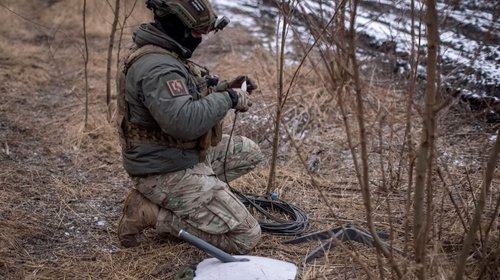
Early on the conflict, Iran threatened to deploy thousands of sea mines, including floating types that could be placed along the coast. A variety of maritime intelligence groups have issued the same warning, and U.S. officials admit that large swaths may already have been mined. Clearing the channel will demand slow hull‑carried maneuvering, as minesweepers search at only 2–3 knots. The removal process could last between one month and six months, according to Christian‑miner specialists.
While the southern route close to Oman appears clear, the main channel that flows through the strait remains a minefield that demands comprehensive clearance before any commerce can resume safely.
3. Uncertain Toll and Fee Regimes
Historically, the Strait has been a free passage, a customary right carried out by the United Nations Convention on the Law of the Sea. In the wake of the deal, Iran has announced the creation of a new “Persian Gulf Strait Authority” which could implement “service fees.” The U.S. has called free passage a matter of customary international law, but if Iran’s authority turns the strait into a toll‑charged corridor, the commercial logistics could face delays. The question of who would enforce such fees remains unsolved, and shipping houses remain wary of imposing a regulatory choke point that could slow daily throughput.
While the political and security front may find a quick reopening, the commercial aspect—especially lifted safety clearances, the presence of mines, and potential toll fees—may evolve gradually. Shipping analysts suggest that a first wave of more risk‑tolerant operators, such as Greek charterers, may begin to cross, thereby building confidence for weaker, risk‑averse fleets. The very fact that only seven ships have passed yet mirrors the broader uncertainty that still haunts the Strait of Hormuz. Shipping operators, and the global community at large, will need to monitor these developments closely before committing vessel movements through the Gulf’s crucial crossroads.