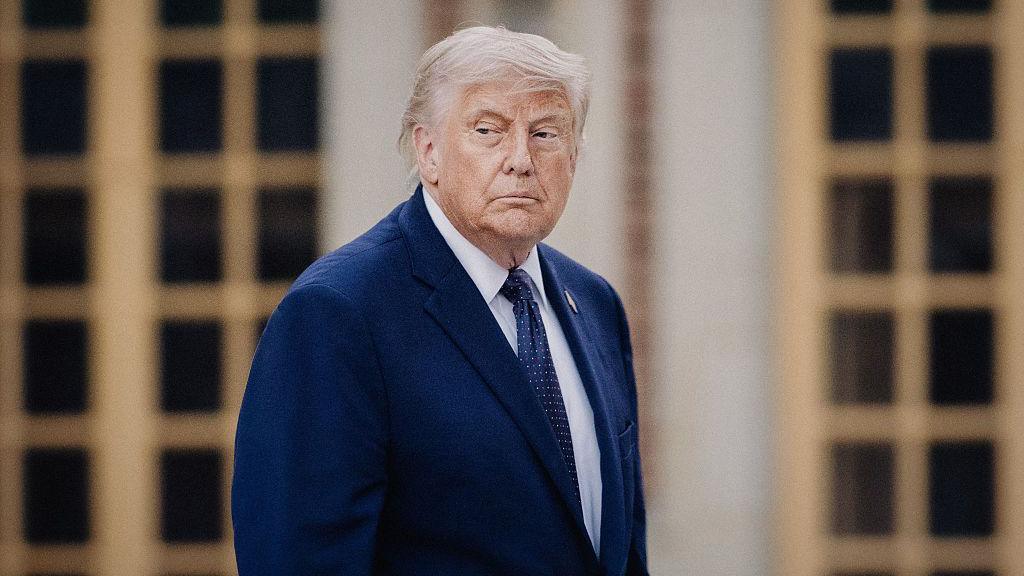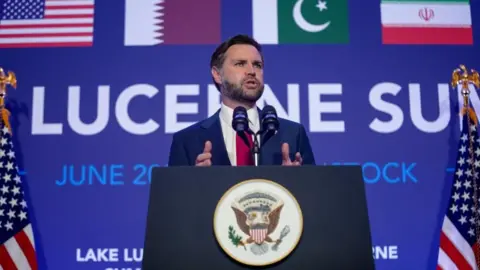
President Donald Trump has indicated that Iran is 'getting a lot closer' to a U.S. agreement on the ongoing conflict, though both sides remain cautiously optimistic about the terms. Speaking to CBS News, Trump revealed he had seen a draft proposal with Tehran but refused to judge its adequacy, stating: 'I don't know, I can't tell you that.' He emphasized that any final deal would 'absolutely' prevent Iran from developing nuclear weapons, while pledging he would only sign an agreement where U.S. demands are fully met.
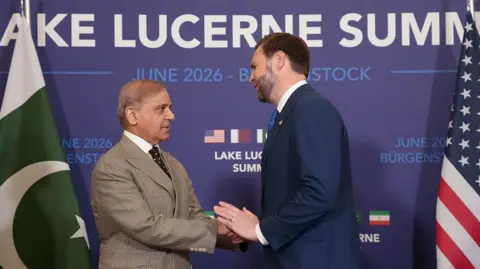
Iran's foreign ministry spokesperson, Esmaeil Baqaei, acknowledged recent progress in negotiations but cautioned that 'key issues' remain unresolved. He outlined plans for a 14-point framework agreement, stressing that nuclear weapons would not be part of initial discussions. 'Our positions are converging,' Baqaei told state television, 'but we must not confuse convergence with agreements.' He warned of 'contradictory statements' from Washington and suggested further talks could occur within 30-60 days.
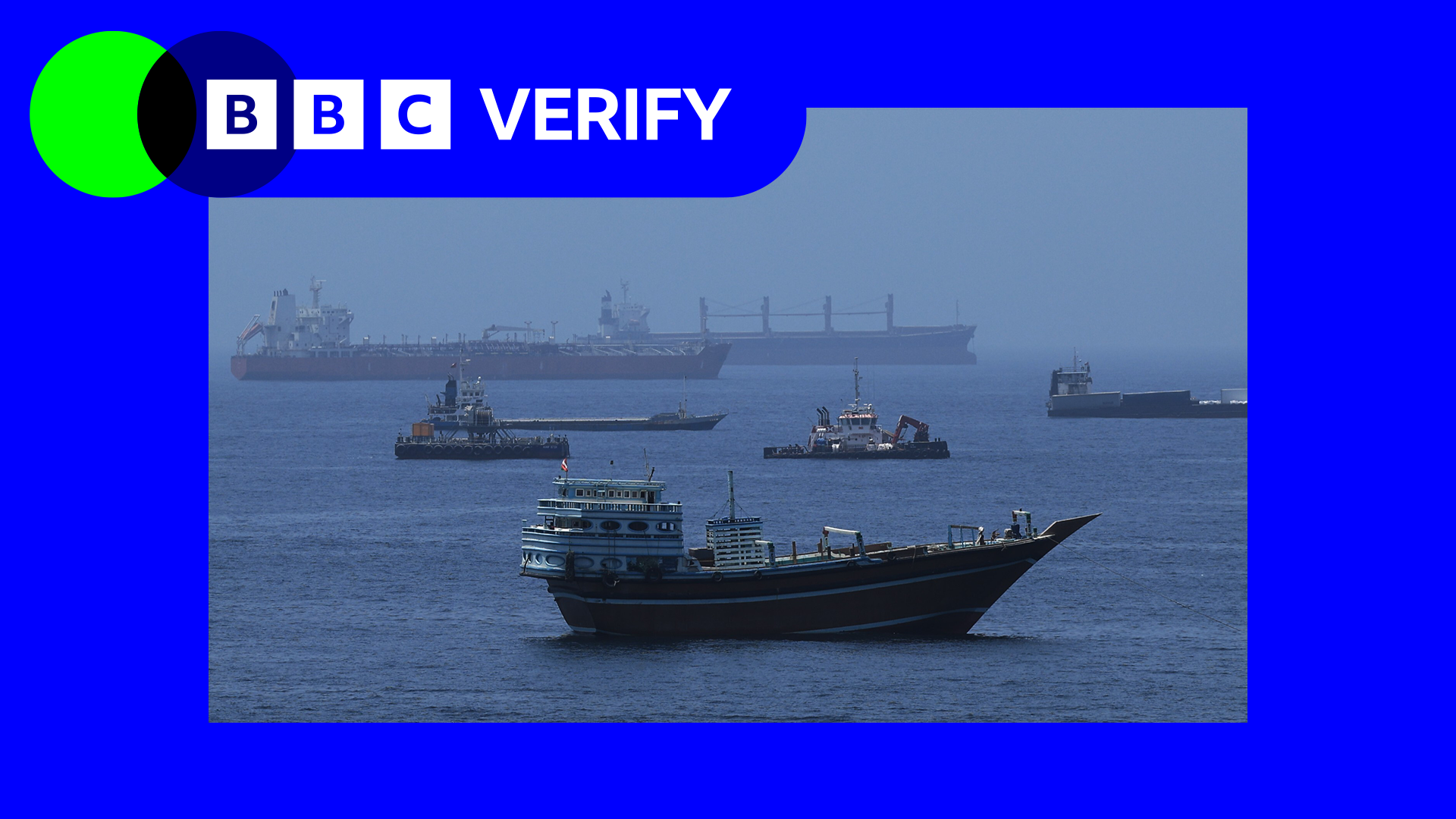
The diplomatic push coincides with heightened economic pressure: The U.S. has enforced a port blockade of Iran since April 13, with Centcom reporting 100 vessels redirected, four disabled, and 26 humanitarian ships permitted to pass. Admiral Brad Cooper confirmed the operation 'has squeezed Iran economically' while maintaining zero trade through Iranian ports.
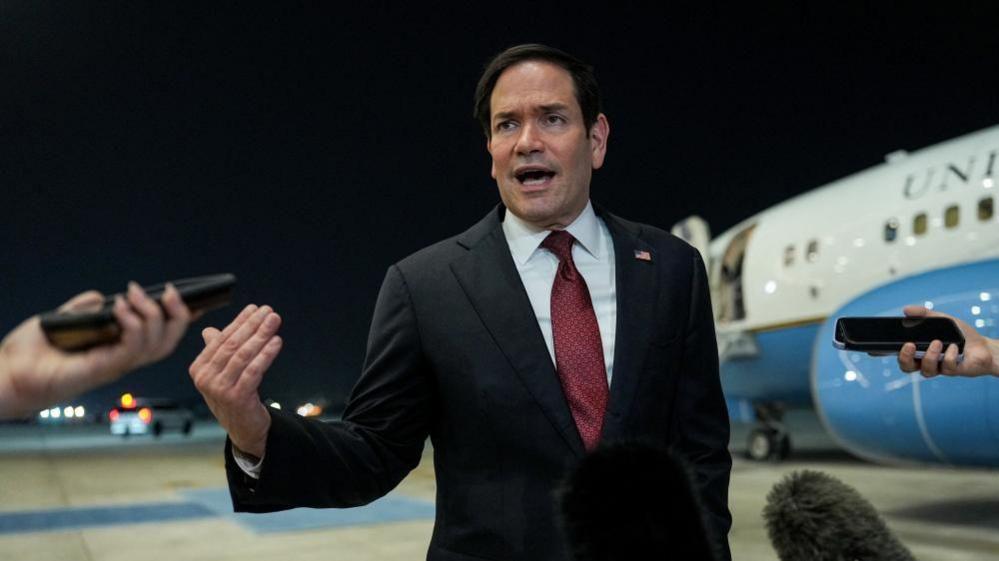
Iran, meanwhile, has claimed military control over the Strait of Hormuz, requiring 'coordination with the Persian Gulf Strait Authority' for all transit. The U.S. and Gulf allies reject these claims, with Centcom instructing ships to ignore Iranian regulations. Secretary of State Marco Rubio underscored U.S. demands during an India visit, stating Iran must surrender highly enriched uranium and cease blocking the strait.
Trump's focus on negotiations is evident in his decision to skip his son Donald Jr.'s wedding to remain in Washington. The development follows his previous characterization of the April ceasefire as 'massive life support' after rejecting Tehran's demands as 'totally unacceptable.' With Gulf allies reportedly set to discuss the crisis, the next 30 days could determine whether this fragile progress leads to a lasting accord or further escalation.}
Iran's foreign ministry spokesperson, Esmaeil Baqaei, acknowledged recent progress in negotiations but cautioned that 'key issues' remain unresolved. He outlined plans for a 14-point framework agreement, stressing that nuclear weapons would not be part of initial discussions. 'Our positions are converging,' Baqaei told state television, 'but we must not confuse convergence with agreements.' He warned of 'contradictory statements' from Washington and suggested further talks could occur within 30-60 days.
The diplomatic push coincides with heightened economic pressure: The U.S. has enforced a port blockade of Iran since April 13, with Centcom reporting 100 vessels redirected, four disabled, and 26 humanitarian ships permitted to pass. Admiral Brad Cooper confirmed the operation 'has squeezed Iran economically' while maintaining zero trade through Iranian ports.
Iran, meanwhile, has claimed military control over the Strait of Hormuz, requiring 'coordination with the Persian Gulf Strait Authority' for all transit. The U.S. and Gulf allies reject these claims, with Centcom instructing ships to ignore Iranian regulations. Secretary of State Marco Rubio underscored U.S. demands during an India visit, stating Iran must surrender highly enriched uranium and cease blocking the strait.
Trump's focus on negotiations is evident in his decision to skip his son Donald Jr.'s wedding to remain in Washington. The development follows his previous characterization of the April ceasefire as 'massive life support' after rejecting Tehran's demands as 'totally unacceptable.' With Gulf allies reportedly set to discuss the crisis, the next 30 days could determine whether this fragile progress leads to a lasting accord or further escalation.}