NEW YORK (AP) — Nearly a year into his second term, President Donald Trump’s work on the economy hasn’t lived up to the expectations of many in his party, according to a new AP-NORC survey.
The poll from The Associated Press-NORC Center for Public Affairs Research uncovers a notable disconnect between the past economic leadership Americans recalled from Trump's first term and the struggles seen so far in his new presidency, marked by ongoing chaos both domestically and internationally.
Fewer than 2 in 10 Republicans feel that Trump has done “a lot” to address the cost of living, dropping from nearly half in April 2024. Meanwhile, while support for Trump's immigration strategies remains robust among GOP members, concerns linger about his economic management.
John Candela, a 64-year-old resident of New Rochelle, New York, expressed frustration over stagnant cost of living adjustments: “Still paying $5 for Oreos,” he lamented but added that he is hopeful improvements will come within Trump's term.
The poll suggested growing consumer worries regarding economic recovery, particularly regarding Trump's core promise to lower expenses. While some signs of inflation relief appear, many prices remain elevated compared to when Trump initiated his second term last January.
Despite these concerns, Republican backing for Trump hasn't significantly waned. Approximately 80% affirmatively rate his job performance versus only about 40% of the broader adult population.
Trump still retains significant support from his base. About two-thirds of Republicans feel the nation is better off than it was at the beginning of his administration, even if personal circumstances haven't improved as equally, suggesting a complex mix in public sentiment surrounding Trump's governance.
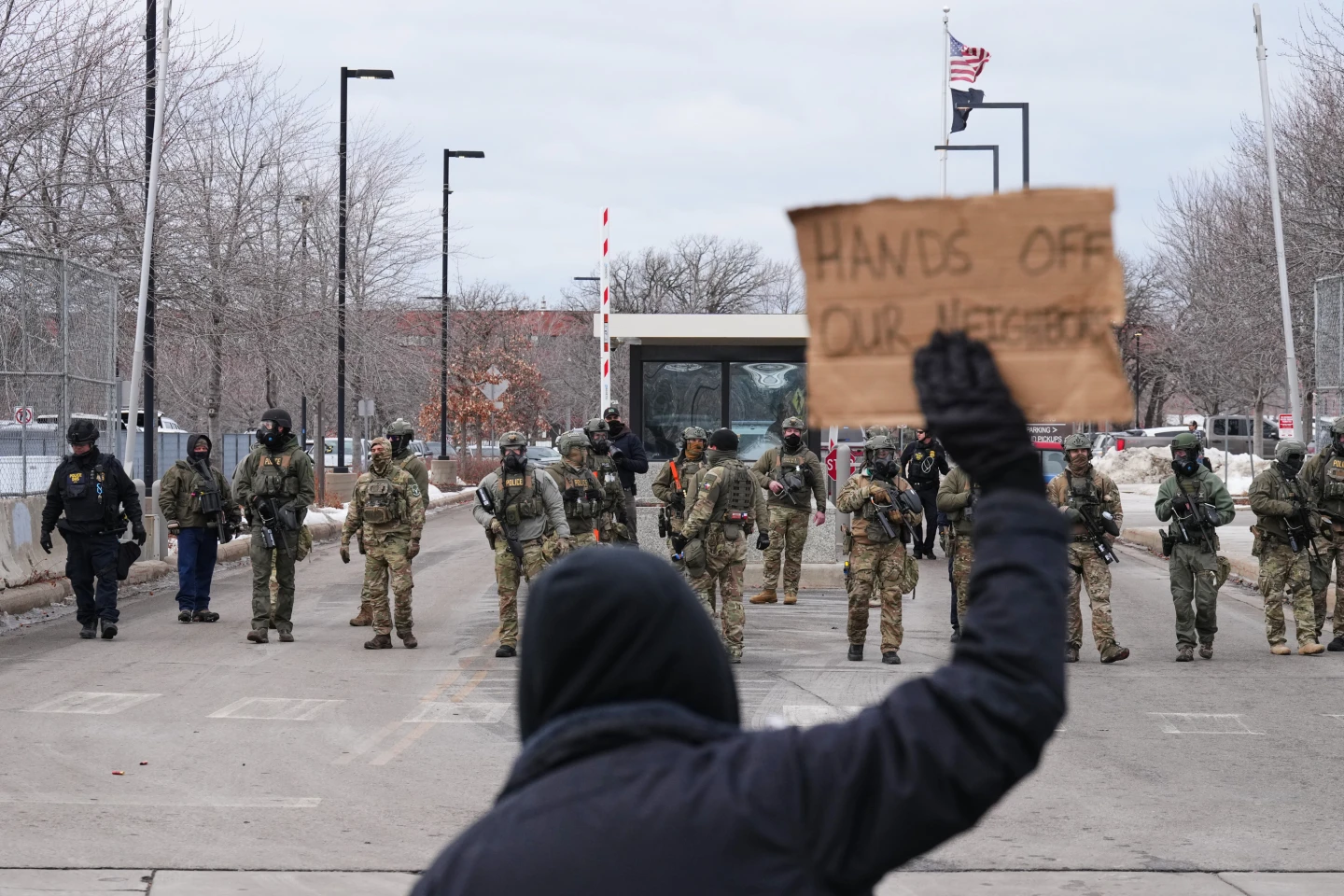
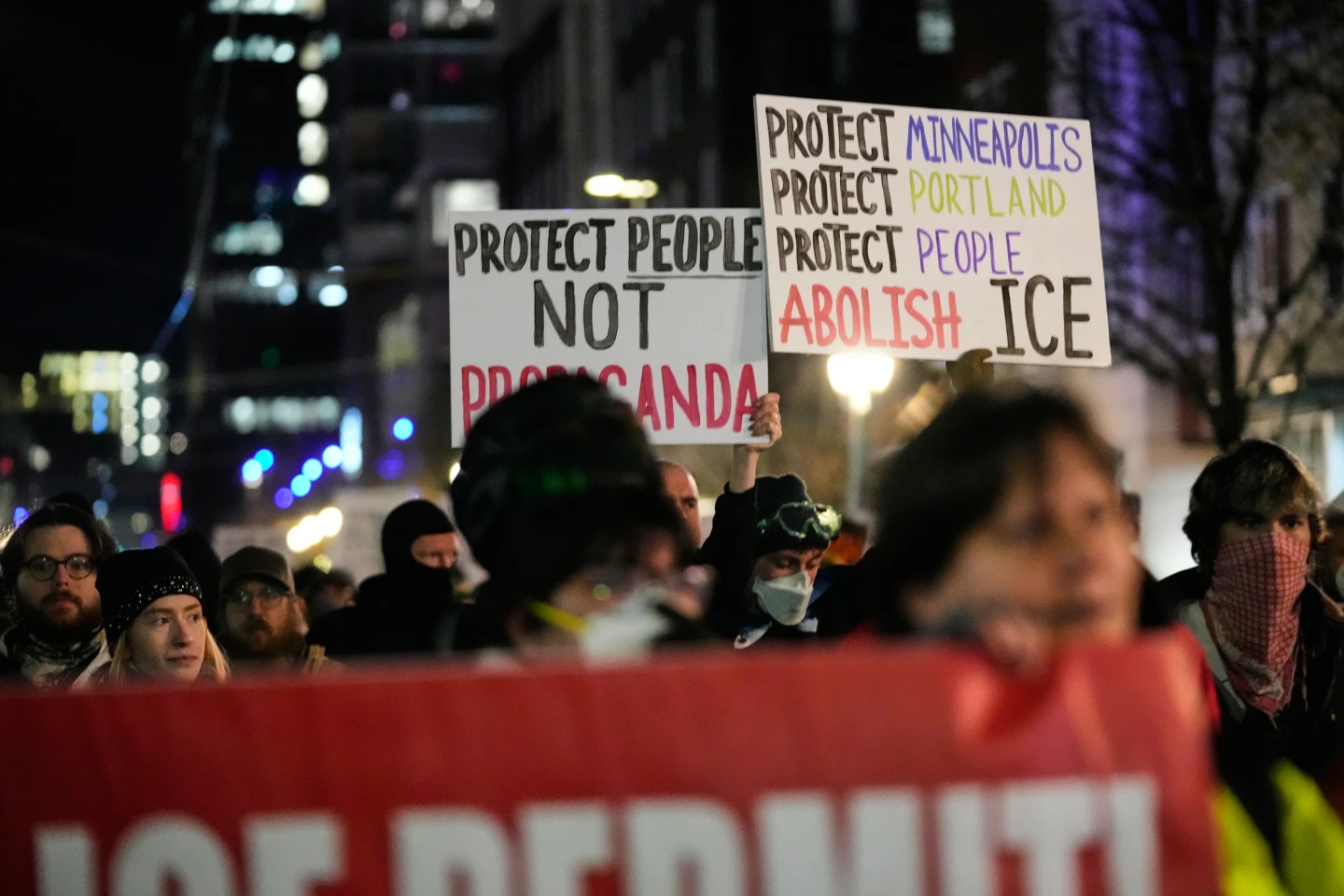
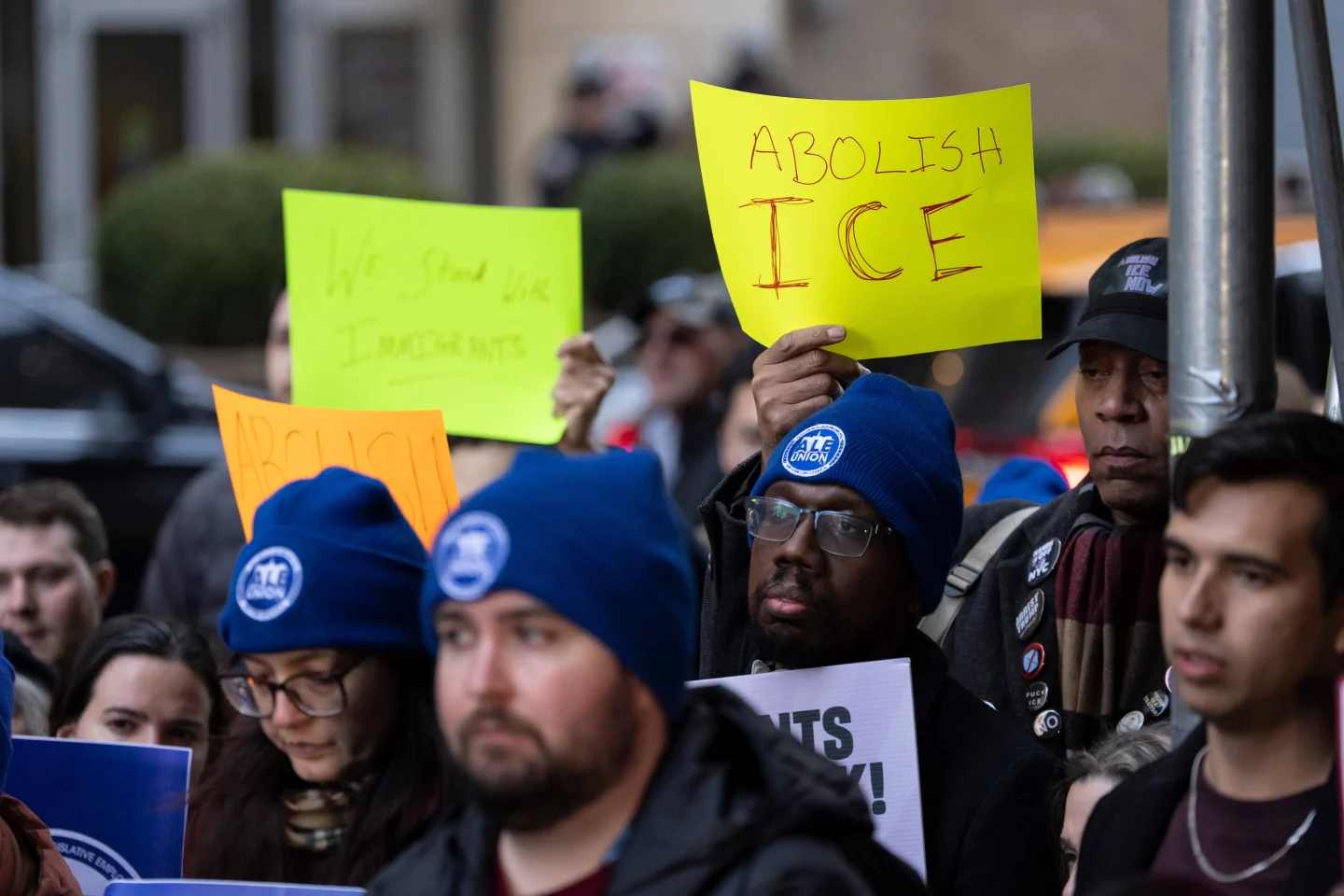
However, Trump's handling of immigration has seemingly stabilized his support within the party: around 80% of Republicans commend his efforts in this area. While his immigration measures draw some dissent among the populace, a substantial number find his tough approaches necessary, however distasteful they may perceive them.
As dissatisfaction mounts over economic issues, many supporters appear willing to remain patient, hoping for a different outcome by the end of Trump's term. The polling data conveys a mixed landscape of loyalty and concern among Republicans, reflecting a deeper scrutiny of economic policy compared to the previously affirmative sentiment regarding immigration. As Trump navigates these turbulent waters, the response from his base may dictate the Republican Party's path moving forward.