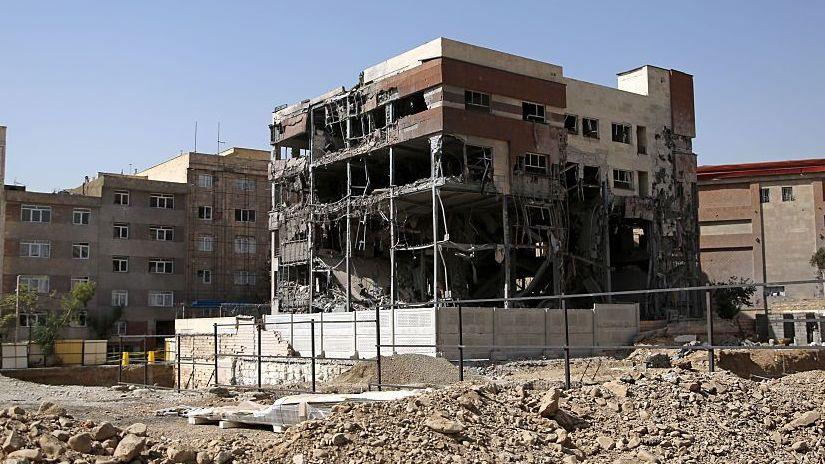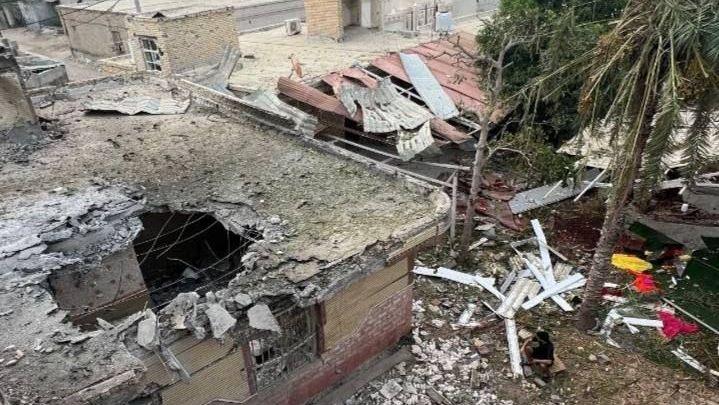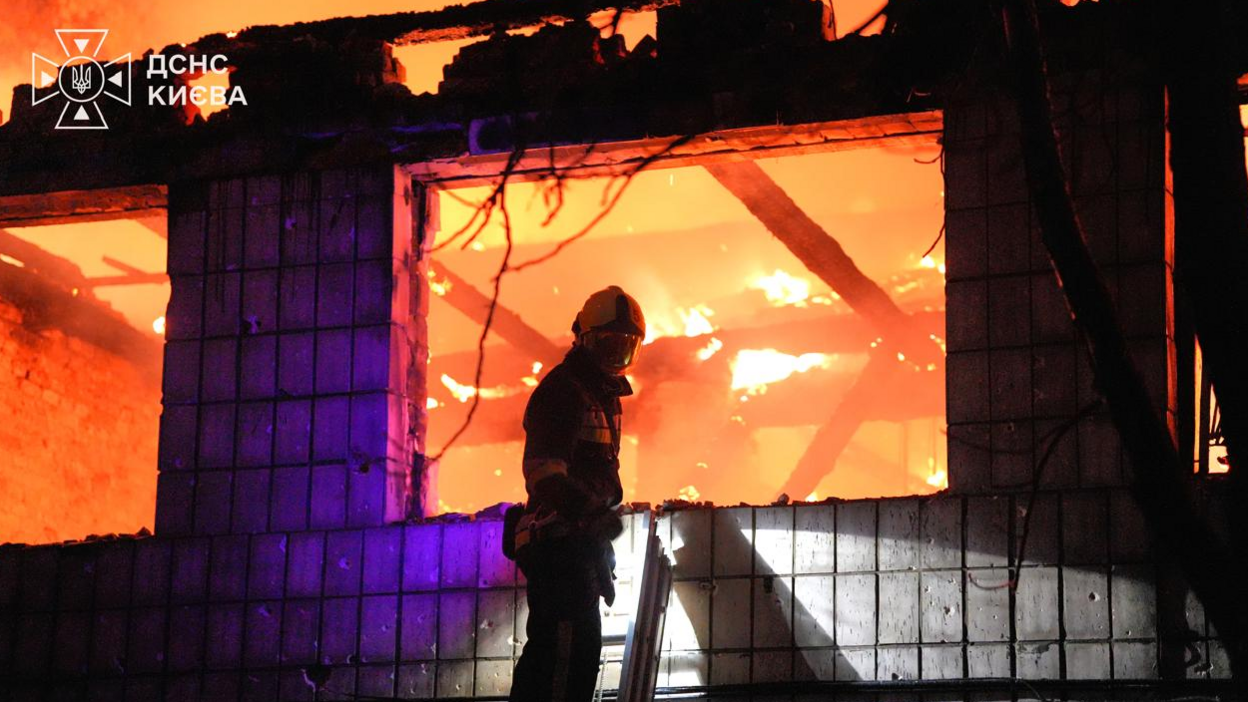
The United States launched a new aerial strike on Iran on Sunday evening, according to Iranian state media which reports that the attack killed one person in southwestern Iran and injured four others.
Within hours, the Iranian Islamic Revolutionary Guard Corps (IRGC) announced retaliation against U.S. military bases in Kuwait, Jordan and Bahrain, escalating an already tense standoff that casts doubt over the interim U.S.–Iran ceasefire signed in June.
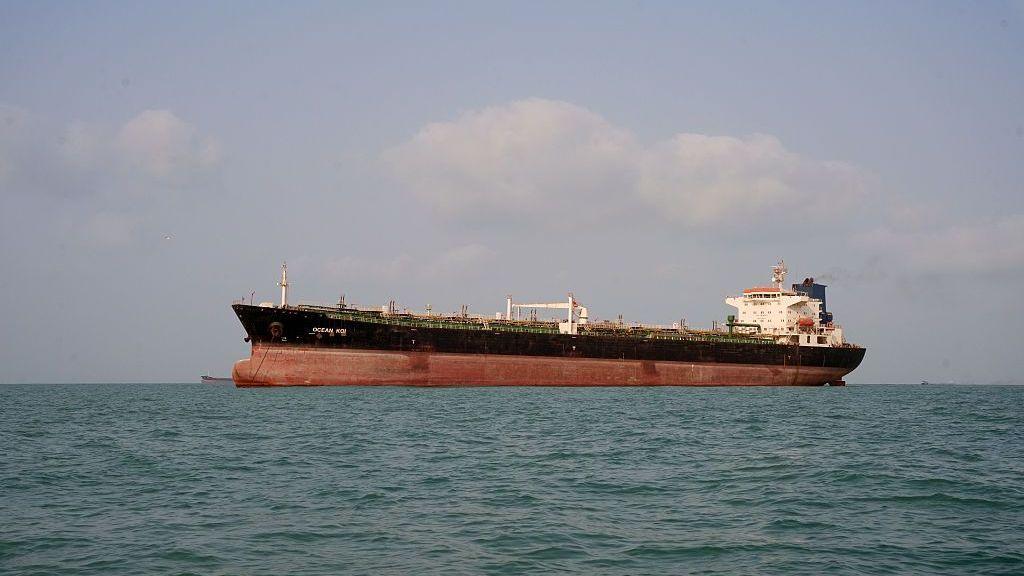
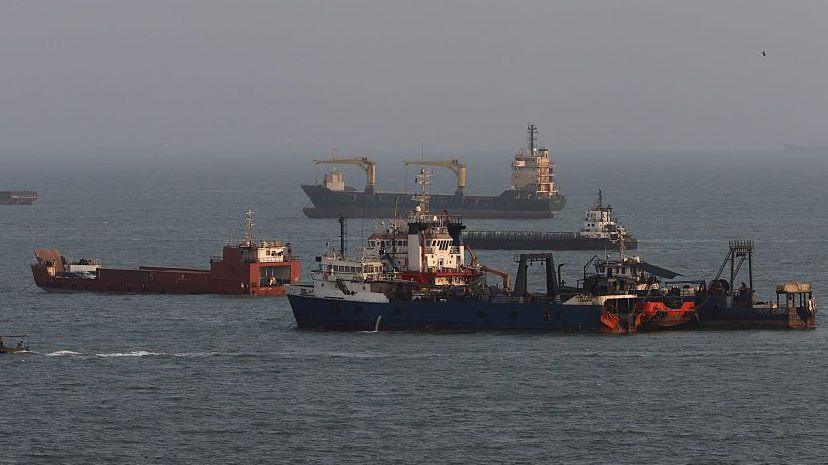
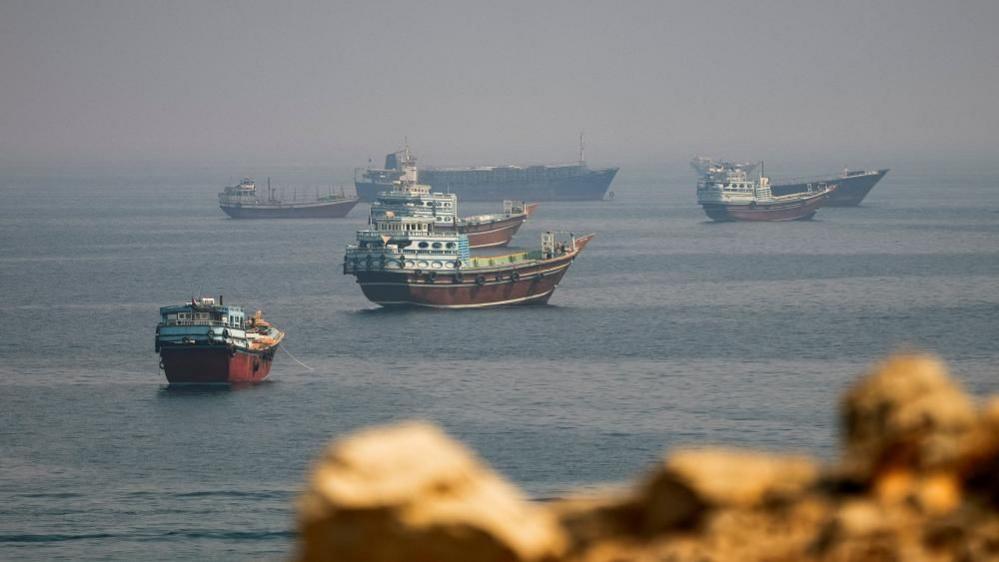
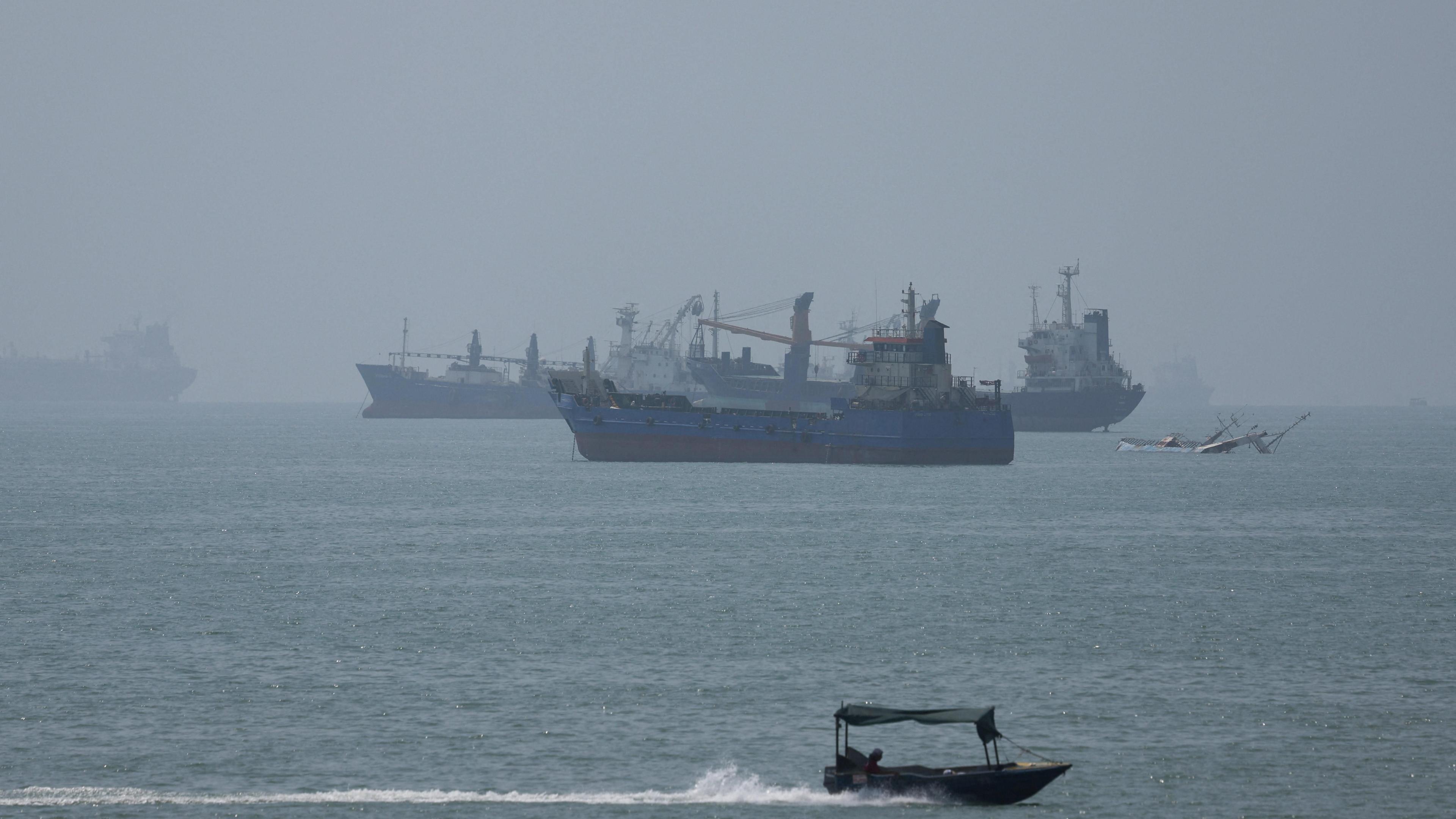
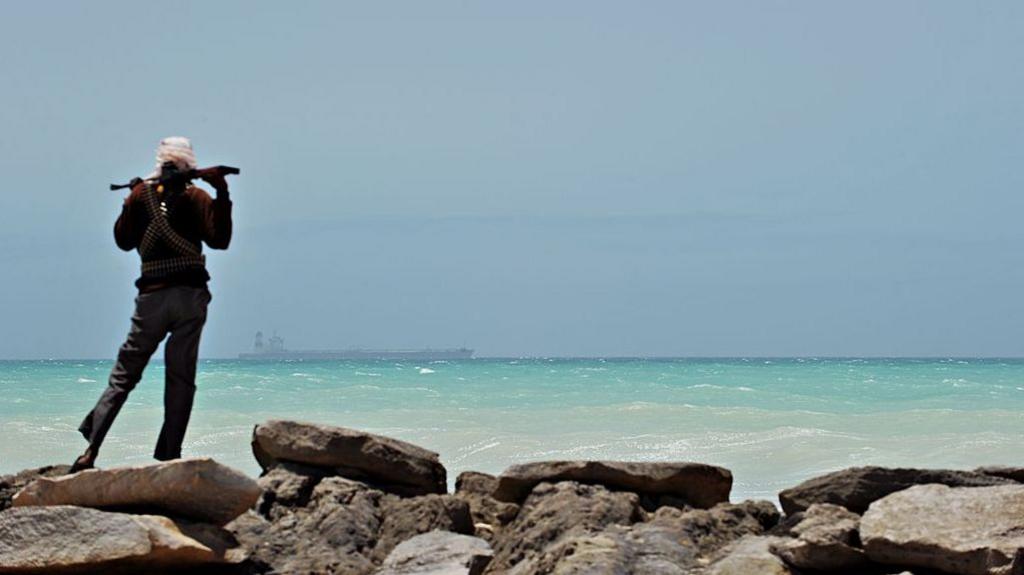
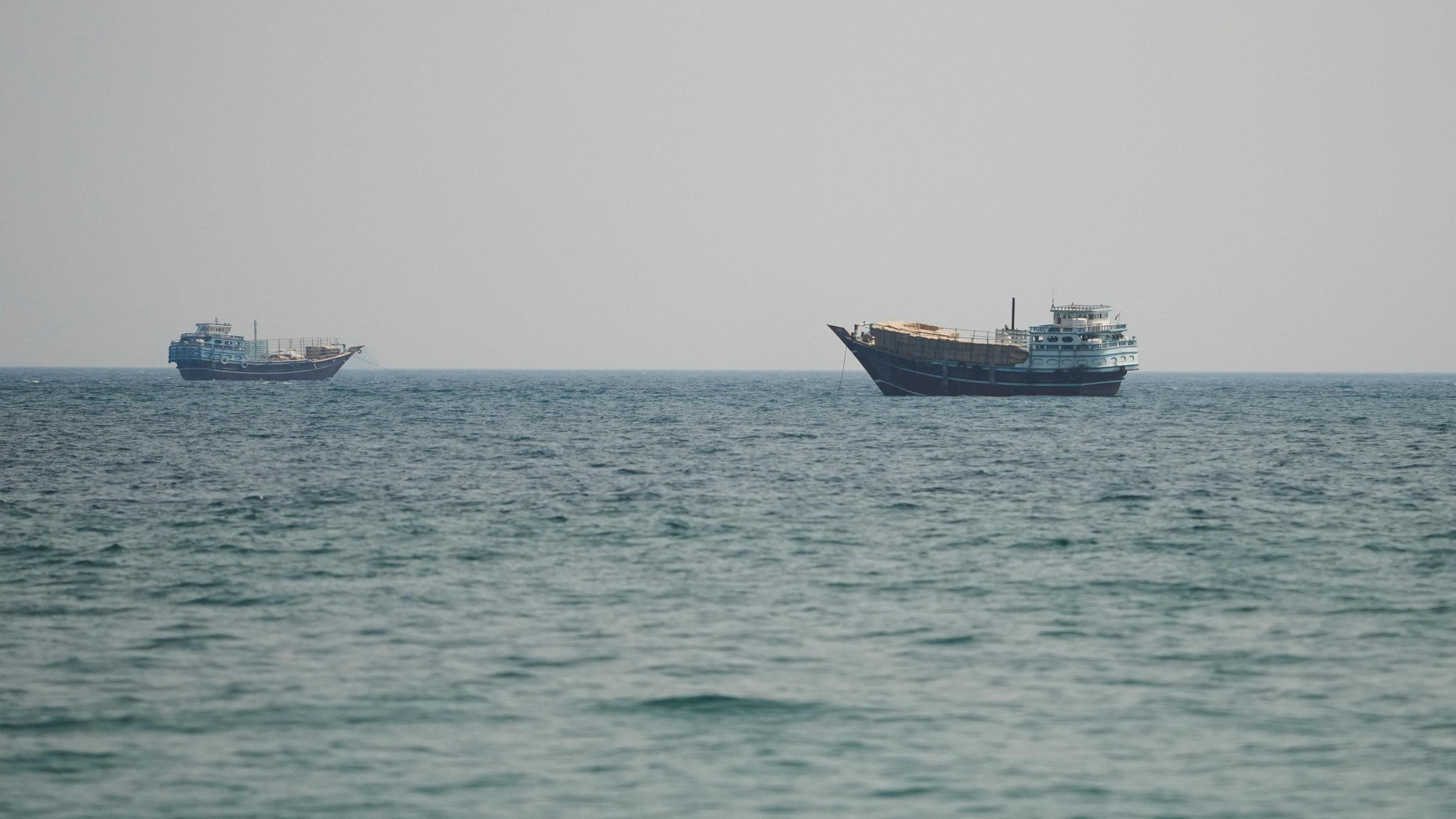
The dispute extends to the Strait of Hormuz, a vital waterway through which about 20% of the world’s oil and liquefied natural gas passes. Iran says it has closed the strait, while the U.S. insists it is open, a claim mirrored by the U.S. Central Command’s statement that it is ready to keep the channel free-flowing.
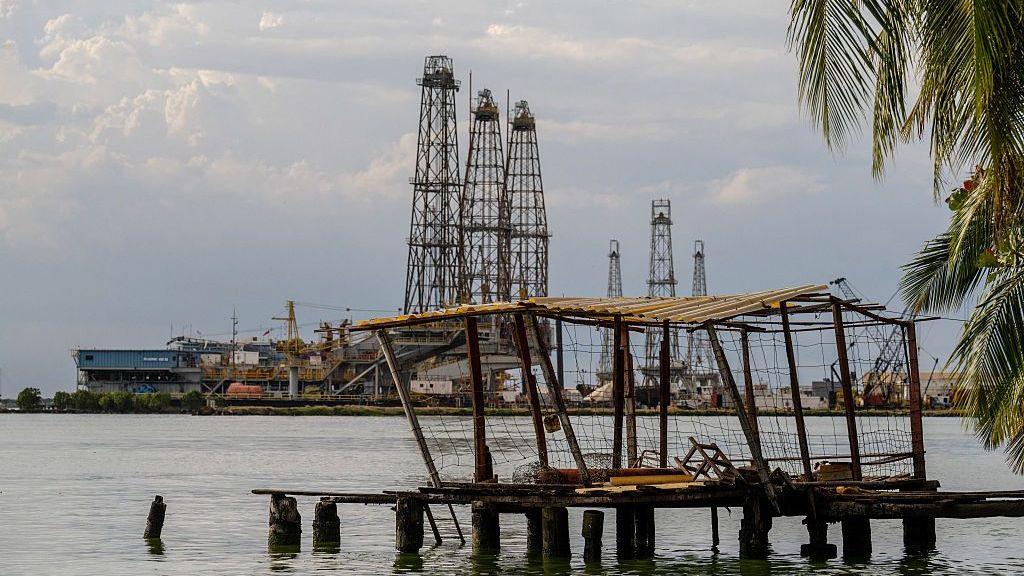
Oil prices have surged in response to the conflict. Brent crude was up 4% at $79.07 a barrel, and U.S.–traded oil gained 4.2% to $74.53, although the pre‑April peak of $120 a barrel remains out of reach.
The latest U.S. strikes targeted dozens of Iranian military assets—including air‑defence systems, coastal radar sites and missile and drone capabilities—according to the U.S. Central Command. The IRGC’s counter‑attacks have broad implications, hitting United Nations mediators in Qatar, the UAE, and other regional partners.
This renewed fire threatens to derail the temporary ceasefire agreement designed to reopen the strait and eventually end the conflict. While U.S. President Donald Trump has called the ceasefire over, talks are still ongoing with mediators attempting to revive the process.