Every Day There Is Killing: Gaza’s Struggle Amid Ceasefire Talks Stall
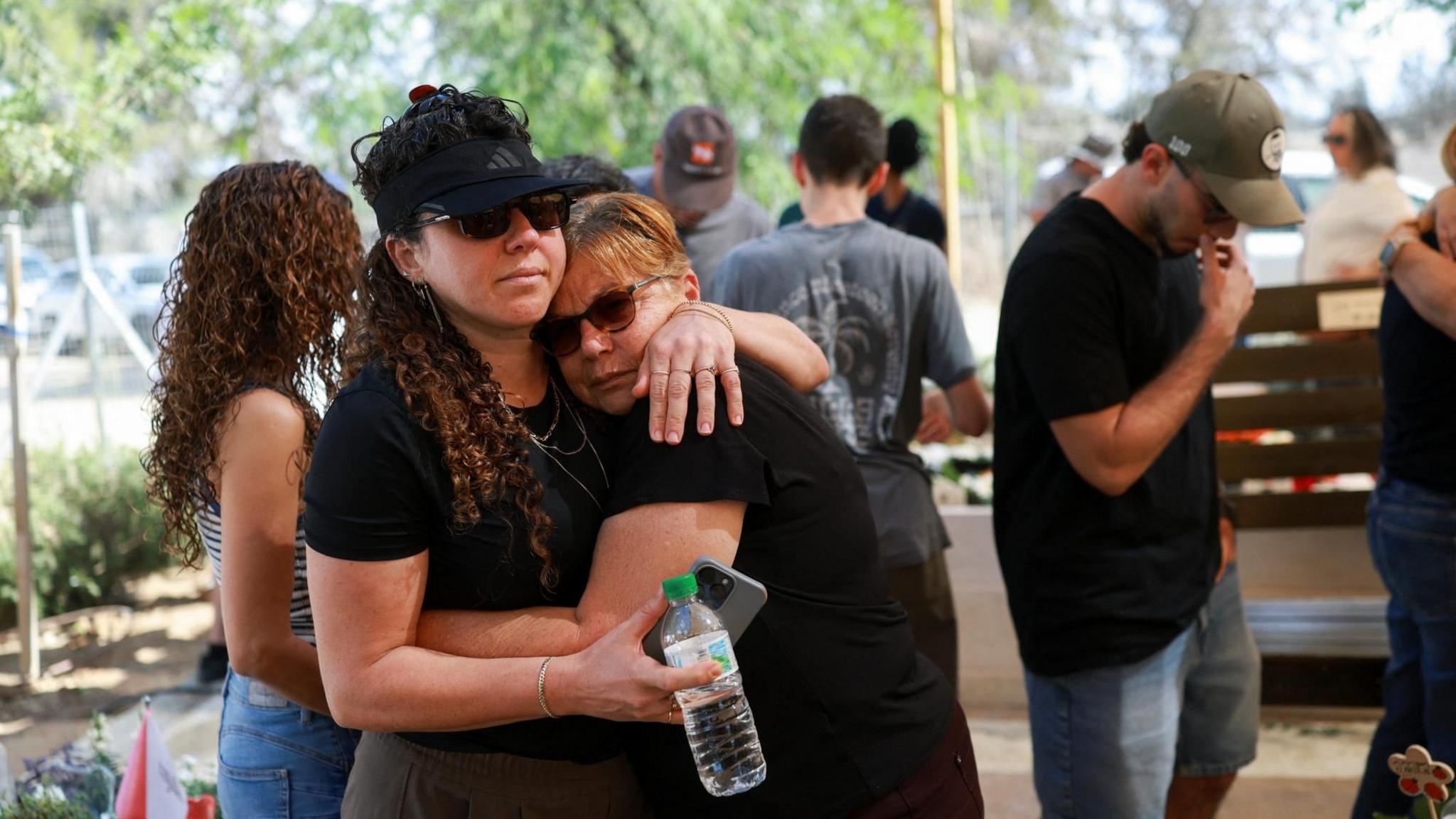
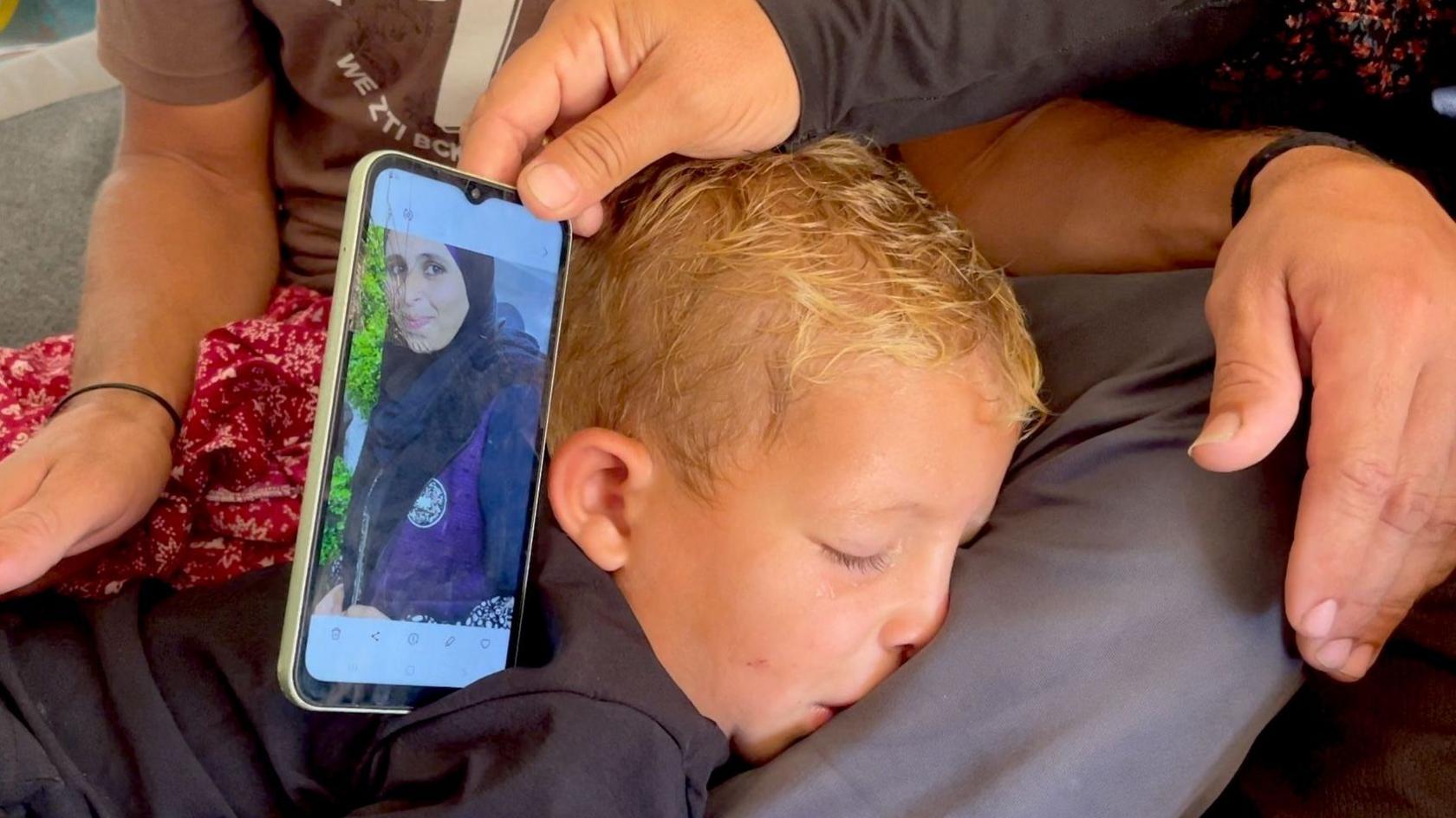
In the quiet of a Gazan tent early one September morning, 31‑year‑old Fida al‑Toutah, a mother of five, was gently combing her daughter’s hair when gunfire shattered the stillness. "My mother shouted at us to get down," her son Ezz remembered, the sobs in his voice audible. He recognized the fatal hit by seeing his younger brother’s bloodied hands clinging to his mother as bullets rained down. Fida died from a headshot on 21 September, her death one of over 1,400 claims of death in Gaza since the ceasefire of October last year, per the Hamas‑run health ministry whose figures the UN trusts.
The ceasefire promised a halt to devastation: the release of thousands of Palestinians held by Israel, a pause on aerial bombardments, and a surge in humanitarian aid. Yet the reality on the ground paints a different picture. Even during the ceasefire, Israeli forces have struck Gaza daily; the past week alone saw more than thirty fatalities, according to Gaza’s health ministry. Israel insists it targets Hamas operatives, while accusing Hamas of violating the ceasefire.
The toll of these conflicts remains heavy. On the same day Fida was killed, 14‑year‑old Ismail al‑Bardawil was shot dead near Rafah, his last message a shot taken while he and his brothers fished 20 metres from the Mediterranean shore. While the IDF claims no record of these incidents, Gaza’s health ministry lists more than 300 child deaths since the ceasefire began.
Beyond the immediate violence, Gaza’s population—2.1 million—has been displaced multiple times. Most now live in tented cities or unsafe structures. The dense population compresses under a block of four‑fifths of the strip, controlled by Hamas, while the Israelis have aimed to expand their influence to seventy percent of the territory, according to a May statement by Prime Minister Benjamin Netanyahu.
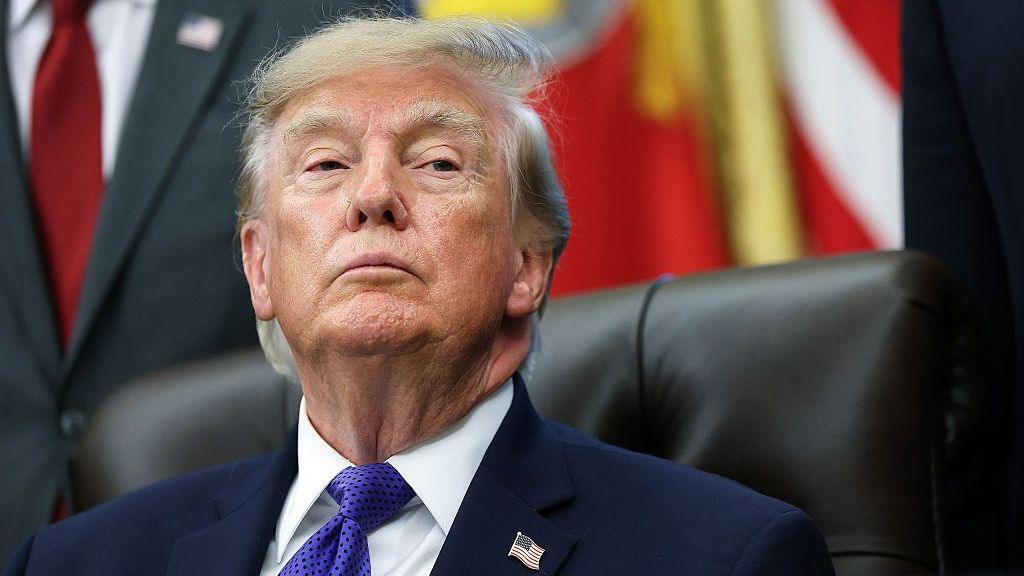
Rebuilding is stalled. The 10th‑anniversary peace deal’s second phase remained blocked, limiting material and machinery access under Israeli security pretext. Former U.S. President Donald Trump promoted a $2.45bn reconstruction plan, but Netanyahu rejected it, insisting no pull‑out would occur until Hamas is “genuinely” disarmed. Hamas counters that it will hand over heavy weapons only if Israel ends all aggression and withdraws forces.
For families like Amal Alabadla—once a resident of a comfortable flat, now living in a tent on Gaza’s coast—daily life is a struggle for survival. Her two boys, Mohammed and Noah, suffer from the relentless cold, with one boy’s epilepsy seizures worsening in winter. “Before the war, I had a job, a house, an ordinary life,” Amal said, her voice cracked with despair. “Now we have no hope, nothing. We only live day by day to keep our children alive, clean, healthy and fed.”
Amid this uncertainty, the region remains unsafe, with Israeli strikes often near the Yellow Line that delineates areas under Israeli military control from Hamas‑controlled areas. Villages along the line experience constant shelling, yet exodus is limited by space and damage. The conflict’s human cost—in terms of deaths, displacement and broken communities—continues unabated even as diplomatic negotiations seem stuck in limbo.