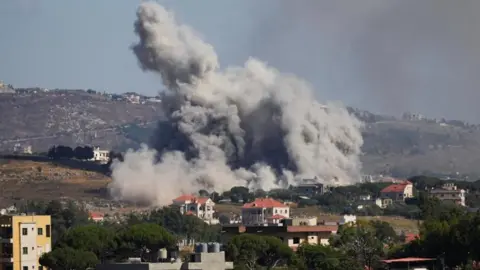
With Lebanon once again engulfed in conflict, a sense of urgency permeates the political discourse. Past attempts at disarmament and peace negotiations have faced monumental challenges, not least of which is the role of Hezbollah, a powerful militia and political entity supported by Iran.
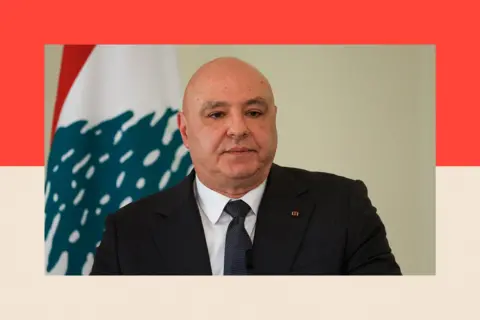
President Joseph Aoun, who rose to power following a devastating war with Israel and Hezbollah, expressed an initial optimism about resolving the long-standing issue of Hezbollah's weapons. However, the complexities of regional politics and Hezbollah's entrenched position have made this aspiration increasingly elusive.
During a prior meeting, President Aoun acknowledged a fragile ceasefire in the country, though Israeli forces conducted near-daily attacks on Hezbollah-affiliated targets. His proposal to negotiate directly with Israel marked a significant shift in diplomatic relations, yet Israel's indifference to the offer highlights the limitations of Lebanon's political agency.
Most Lebanese citizens, particularly the Shia community, view Hezbollah as a protector against perceived existential threats from Israel. Yet opponents criticize Hezbollah for dragging Lebanon into unnecessary conflicts, fueled by its allegiance to Iranian interests.
The recent death of Iran's supreme leader, Ayatollah Ali Khamenei, in a strike during the ongoing US-Israeli bombardment of Tehran ignited further tensions as Hezbollah retaliated, prompting additional Israeli strikes in Lebanon.
Challenges abound as the Lebanese government attempts to maintain the illusion of power amid rubble and ongoing airstrikes, exposing the dilemma where any forceful disarmament of Hezbollah could spiral into violence and civil war.
Despite widespread calls from within Lebanon for the exclusive right to bear arms to belong to the military, sectarian divisions remain a barrier. Historical grievances, fears of repression, and a memory of past violence shape views among Hezbollah's supporters. As conflict rages on, many Lebanese feel enduringly trapped in a crisis without resolution—fueling a powerful narrative for Hezbollah's continued existence.
With ongoing negotiations pending in Washington, the possibility for a ceasefire remains fragile. Lebanon's government faces immense pressure to act, yet its lack of leverage against Hezbollah complicates the path to peace. The political landscape remains uncertain, with both internal divisions and external influences shaping the future of Lebanon.