Israeli troops will control a large swathe of southern Lebanon as part of their campaign against Hezbollah, Defense Minister Israel Katz announced.
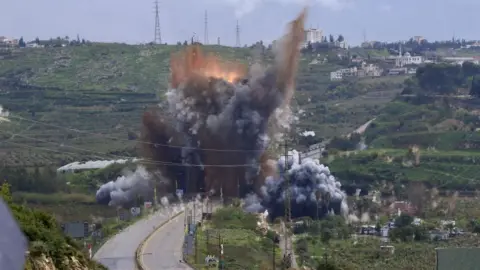
Katz stated that troops had blown up bridges on the Litani River, about 30 km (19 miles) from the Lebanon-Israel border, establishing a security zone where displaced residents will not be allowed to return until northern Israel is deemed safe.
Five bridges used by Hezbollah for the passage of terrorists and weapons were destroyed, according to Katz.
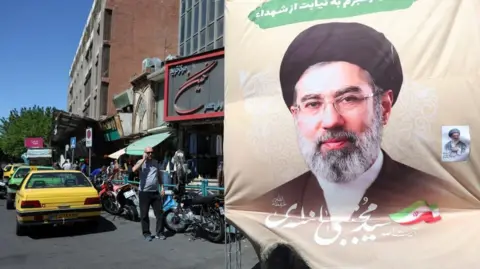
This escalation follows a series of Hezbollah rocket attacks into northern Israel, which were in retaliation for significant regional developments including the assassination of Iran's supreme leader and ongoing Israeli strikes against Hezbollah.
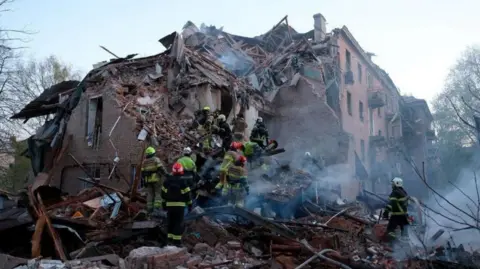
Since the violence reignited, at least 1,072 people have died in Lebanon, including many children and healthcare workers, with over a million people displaced. Israeli officials argue that their military actions are necessary for the protection of communities in northern Israel.
The establishment of a buffer zone is reminiscent of Israel's previous military presence in southern Lebanon from 1985 to 2000, which ended due to growing domestic opposition following substantial casualties from Hezbollah attacks.
Israeli plans have been condemned by Lebanese President Joseph Aoun as collective punishment against civilians, raising fears about further escalations and humanitarian consequences in Lebanon.
As tensions continue, Hezbollah has signaled its readiness to defend its territory, viewing Israel's moves as an existential threat, further complicating the already challenging situation in the region.