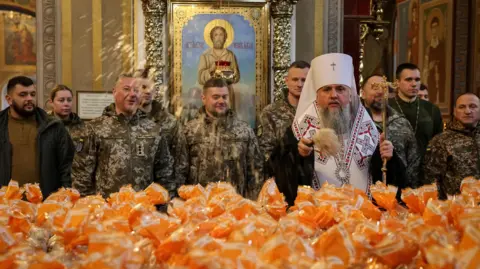
Russia and Ukraine have agreed to a truce for Orthodox Easter, with Vladimir Putin announcing the order for Russian troops to cease fire 'in all directions' this weekend.
This declaration from Moscow came after Ukrainian President Volodymyr Zelensky issued repeated calls for a ceasefire that were ignored by the Kremlin. Putin's truce is set to be in effect from 16:00 local time on Saturday, April 11th, until Easter Sunday, with an expectation that Ukraine will reciprocate this gesture.
Putin's announcement has raised concerns in Ukraine, as it appears to impose a narrative that could further escalate tensions. Zelensky quickly indicated that Ukraine is 'ready for symmetrical steps' regarding the ceasefire, highlighting the need for an Easter free from conflict and an actual movement towards peace.
Earlier in the week, Zelensky stated he had asked the United States to communicate a proposal for a holiday weekend truce to Moscow, marking a potential first step in negotiations.
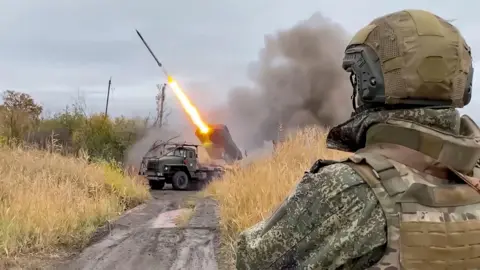
Should the truce hold, it would offer a much-needed respite for soldiers deployed along the eastern frontline, plagued by the relentless onslaught of attacks and drone strikes. Furthermore, it would provide civilians with a rare moment of peace amidst the ongoing threat of air raids and missile attacks.
However, skepticism looms over the effectiveness of this truce given past experiences where temporary breaks in fighting have led to escalations soon after. Just this past January, Russia's promised 'energy truce' fell short of its promise, as did previous unilateral ceasefires during significant anniversaries.
Kyiv remains assertive in its demands for a lasting ceasefire, emphasizing that stability and genuine dialogue are essential for any future negotiations, while Moscow continues to push for agreements on peace terms before any cessation of hostilities.