Ukrainian mothers, fearing for their children, are packing their bags to leave Kyiv.
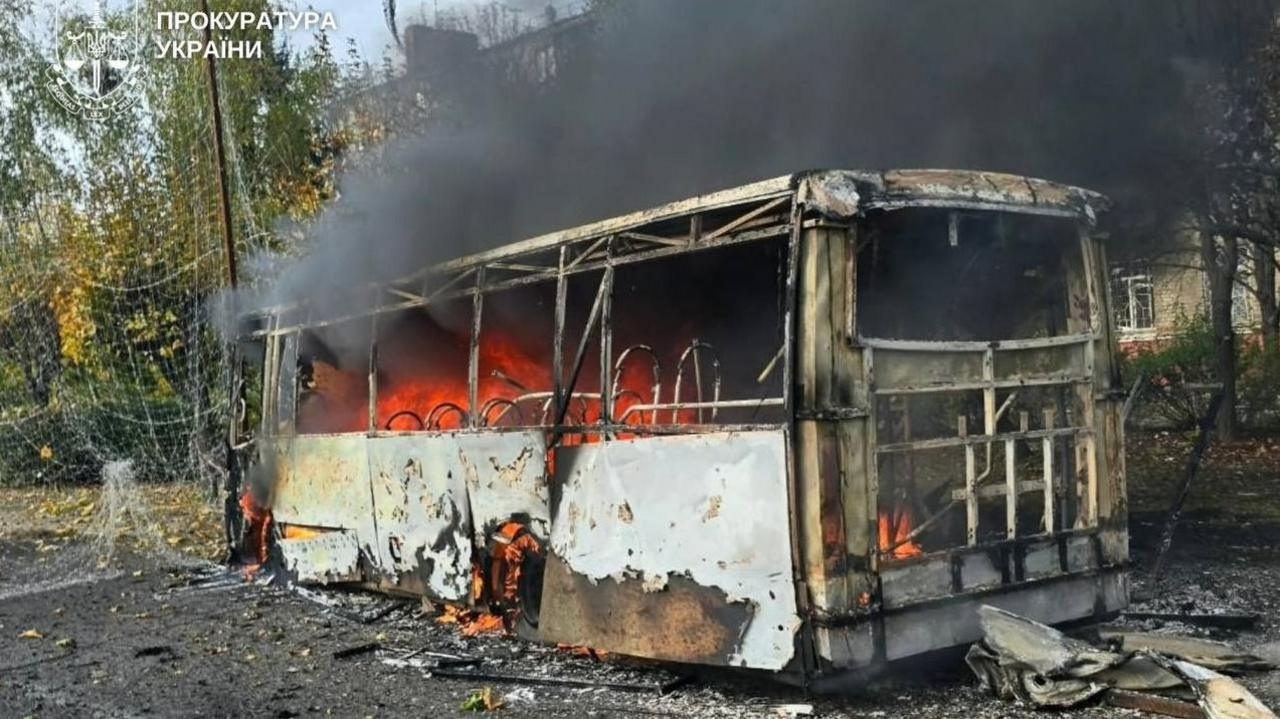
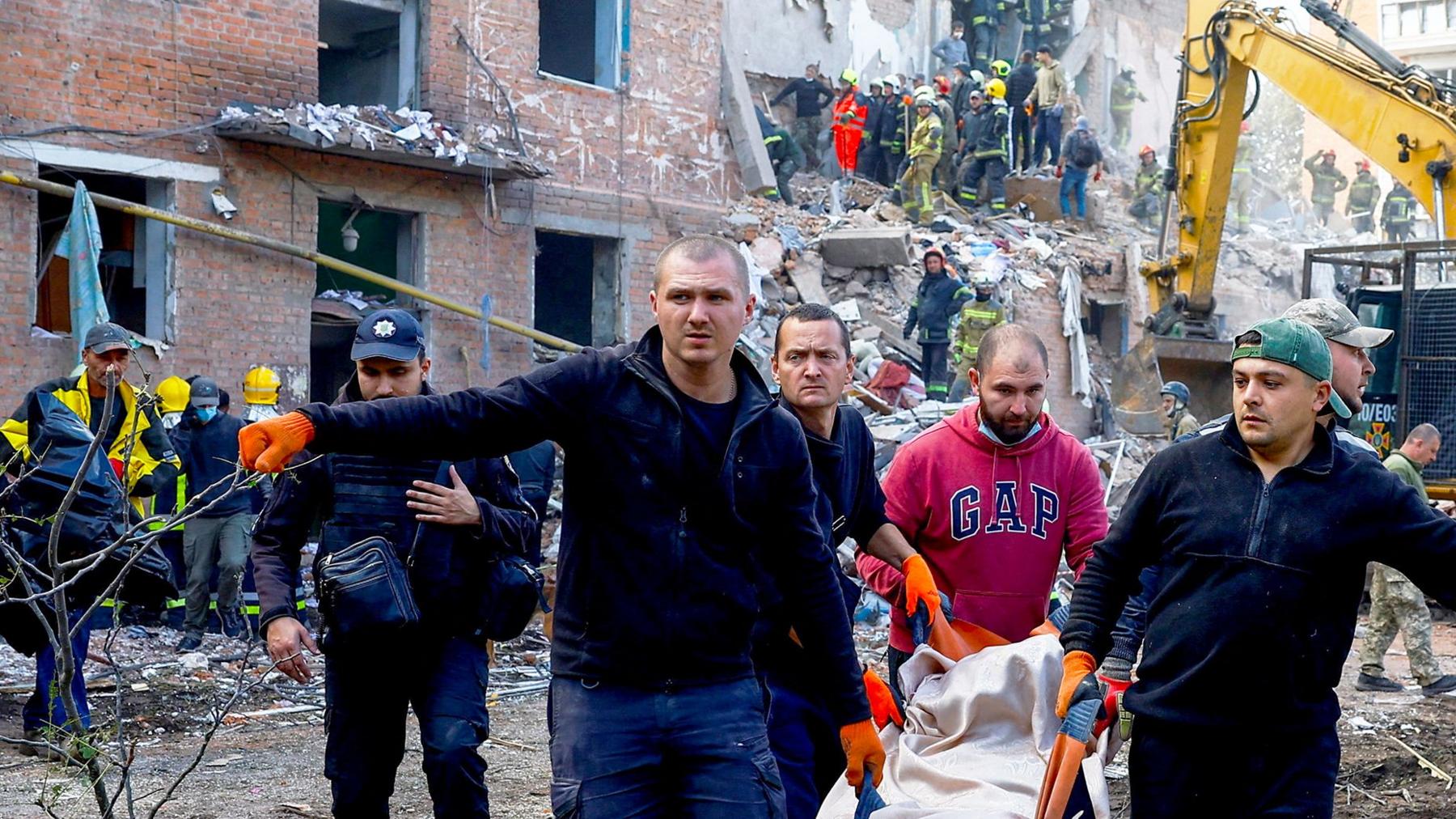
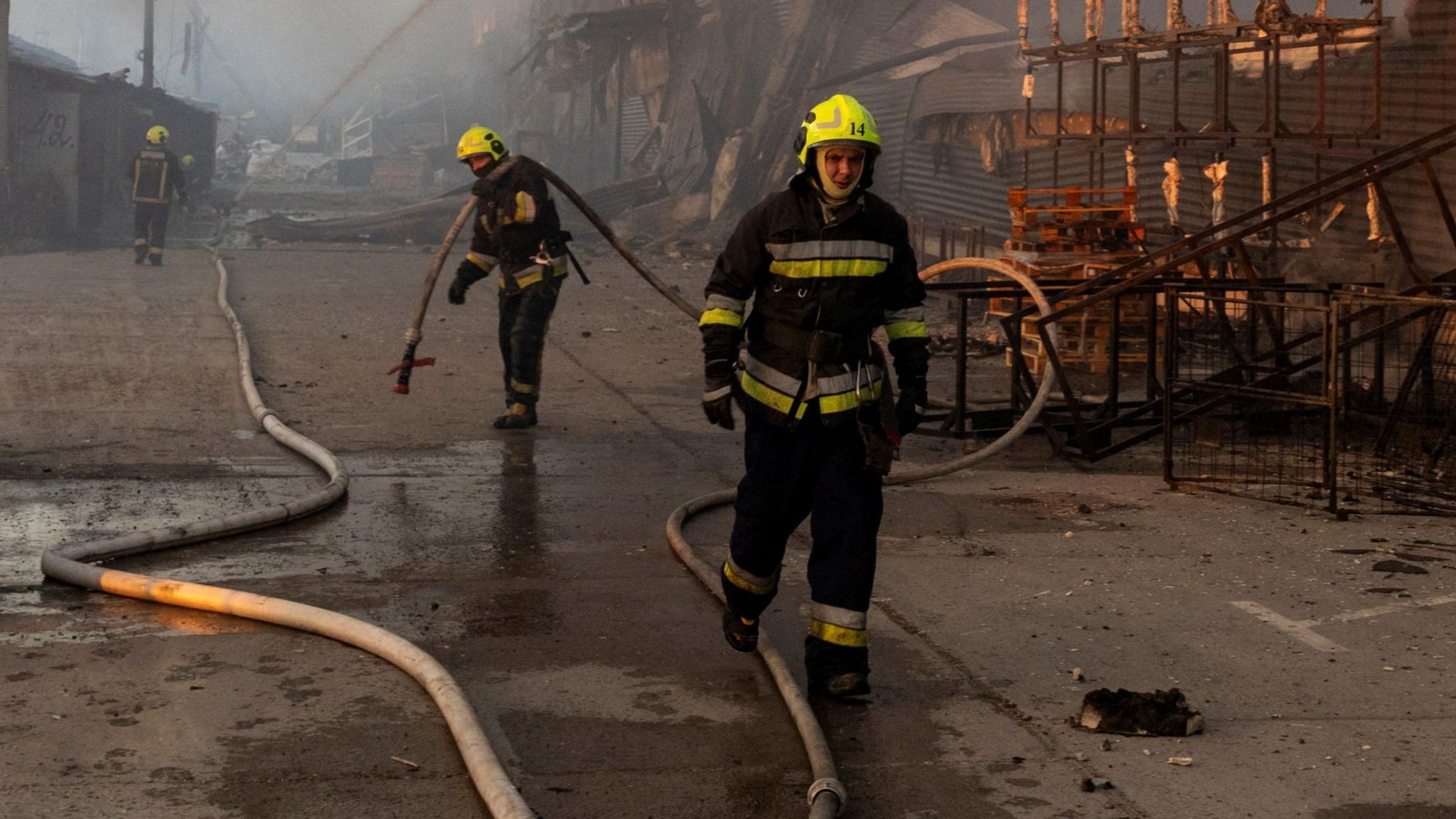
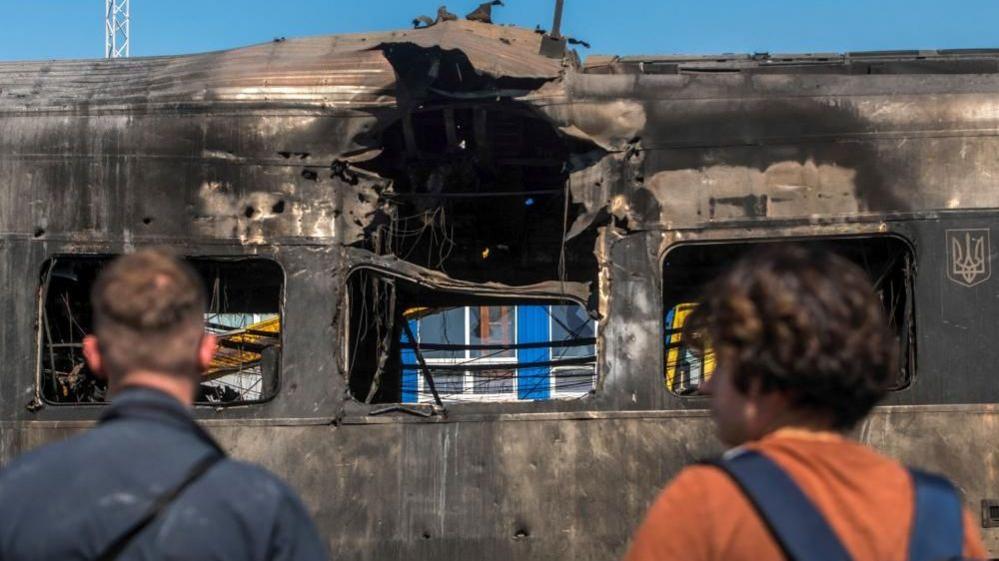
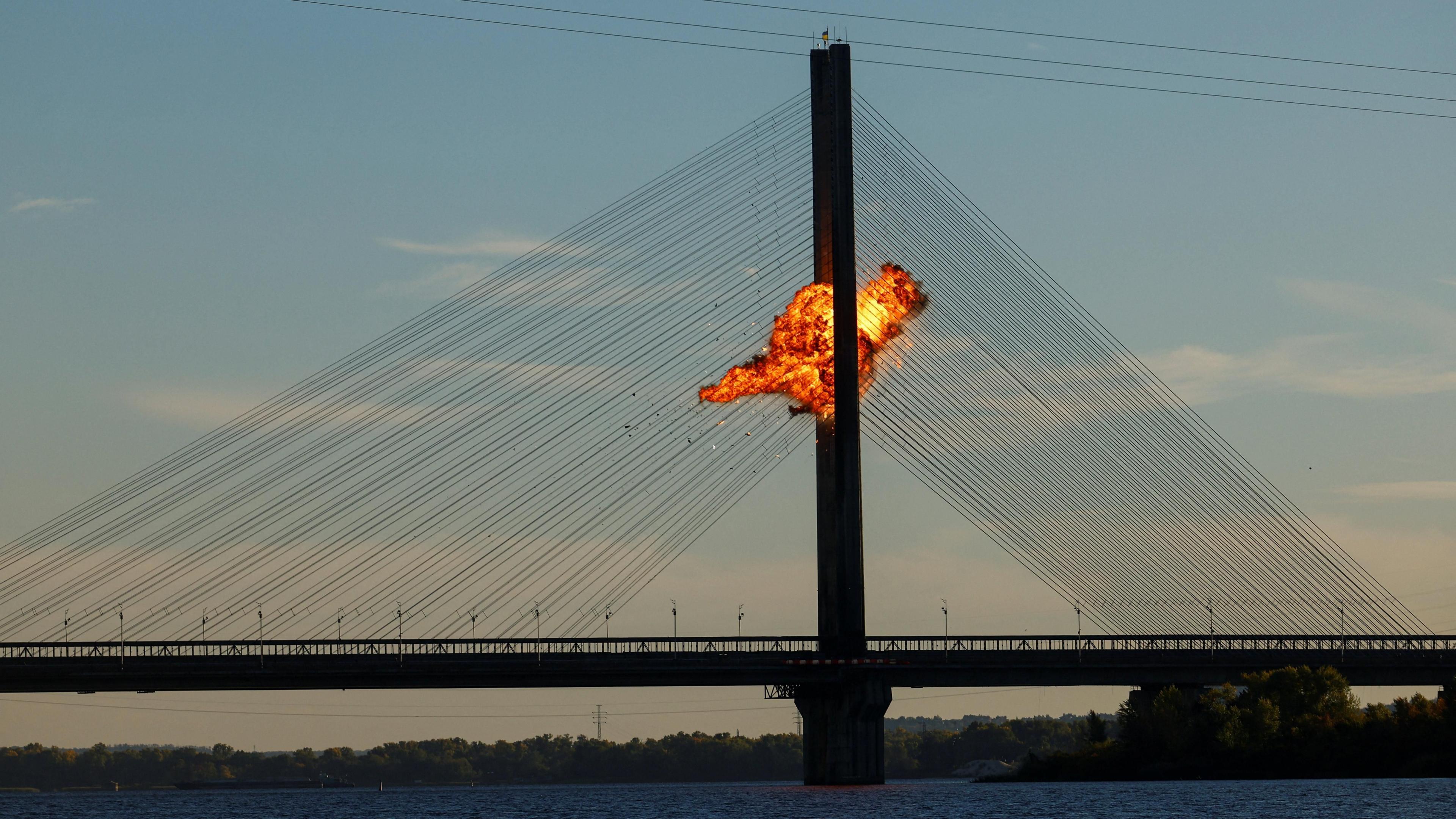
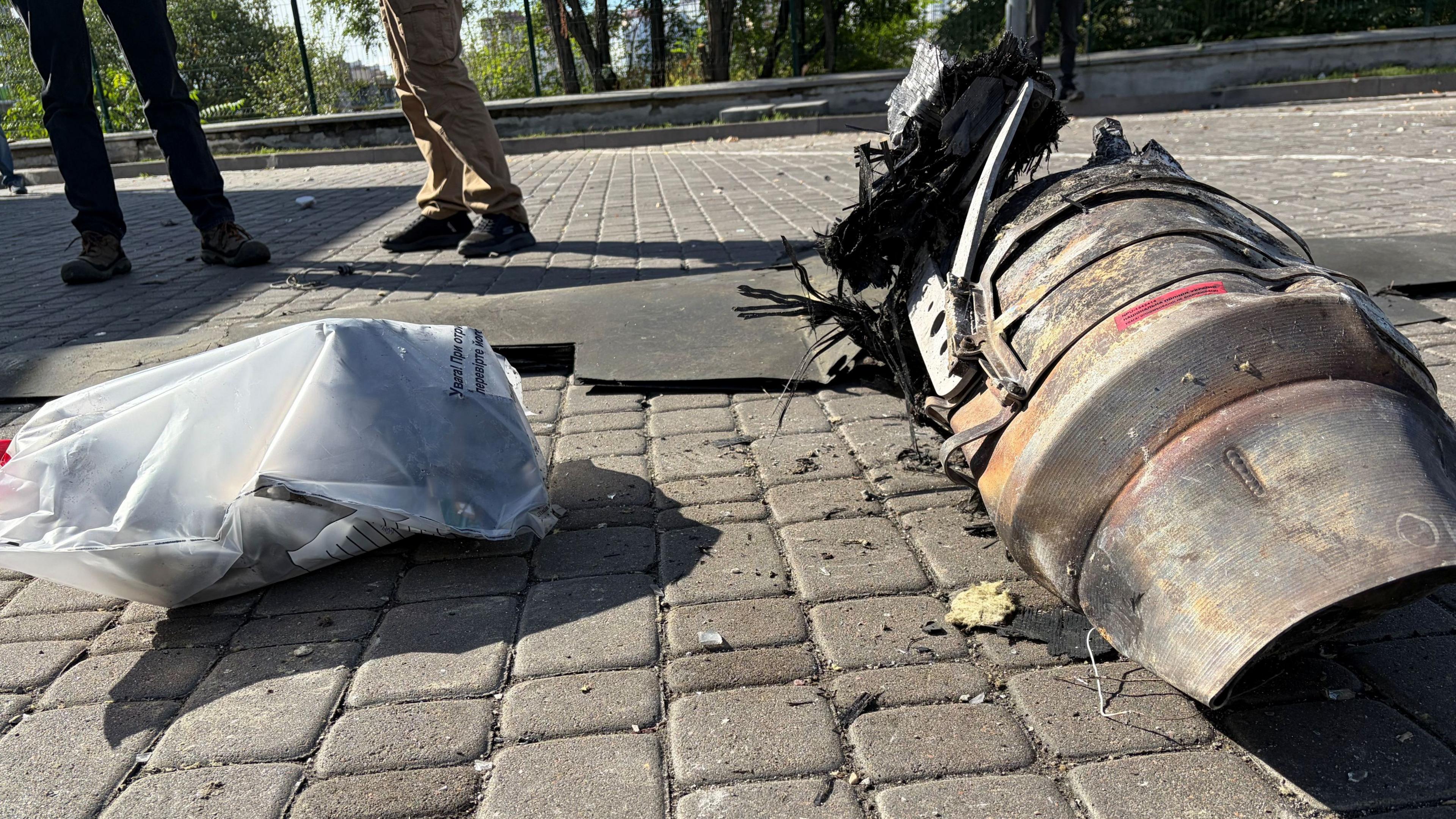
Last winter already proved brutal for residents, as sub‑zero temperatures, frequent power cuts and hidden shrapnel left many homes uninhabitable. Now Russian drones and missiles are striking the city’s centre, forcing families to seek safer ground.
Mariia Shostak, mother of four‑year‑old Artur and two‑year‑old Kira, has decided to bring her children to Egypt’s Red Sea resort of Hurghada for the winter. “I cannot risk another night of explosions or blackouts,” she said, noting that the country’s price of living has risen sharply while supplies dwindle.
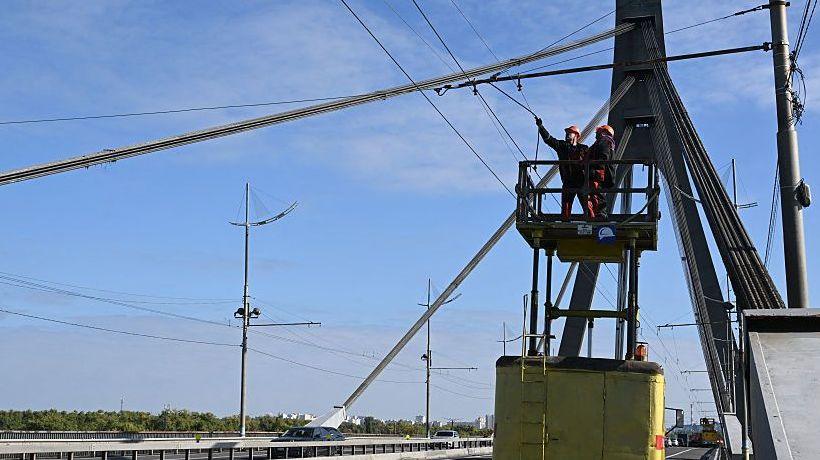
A survey conducted by the Gradus research group found that 40 % of respondents were contemplating relocation if the situation did not improve, while 35 % said they would stay. The mayor of Kyiv, Vitaly Klitschko, warned that the capital is the ‘target number one’ for Russian strikes, and ministers say the city’s fragmented power grid is not resilient enough for another harsh winter.
In response, authorities have set up temporary housing in converted winter sanatoriums and built 15 small‑scale power plants under concrete bunkers. Yet the combination of energy shortages, food lags and daily sirens continues to amplify the psychological strain on families.
Not all are able to move abroad. Some are turning to the Ukrainian countryside, where rural villages offer a quieter, safer environment without the threat of rockets. Intermarried families and those with older relatives find that staying in a rural cottage can be a viable refuge.
Whatever choice a family makes, the reality is that today’s war is reshaping the city and redefining what it means to survive under siege.
Additional reporting by Mariana Matveichuk and Anastasiia Levchenko.