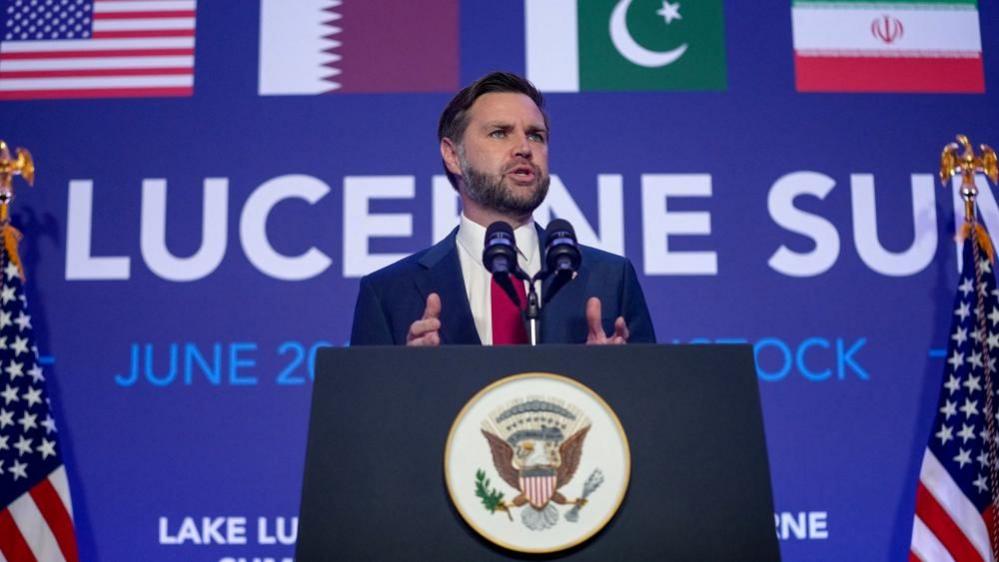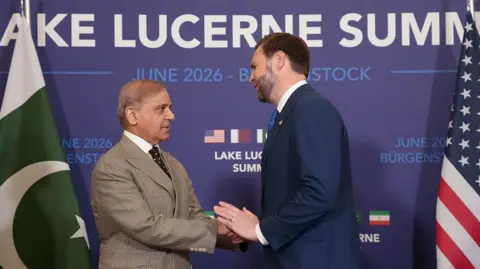
In the hours preceding the announcement of a two-week ceasefire between Iran and the US, small signs of hope emerged from Pakistan. Sources disclosed that negotiations were ongoing, with Pakistan operating as an intermediary due to its historic ties with Iran and a shared border.
A Pakistani source shared with the BBC that while the mood was serious, there was cautious optimism among the negotiating team, although the discussions were kept within a limited circle. Pakistan's Foreign Minister, Ishaq Dar, expressed optimism just prior to escalations that saw Israel attack Iran, complicating the already tenuous situation.
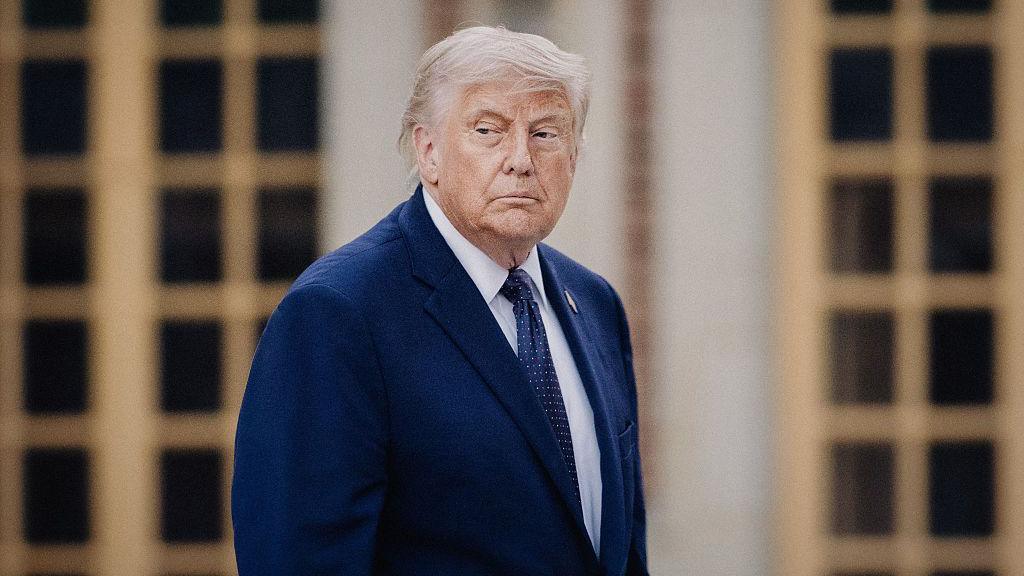
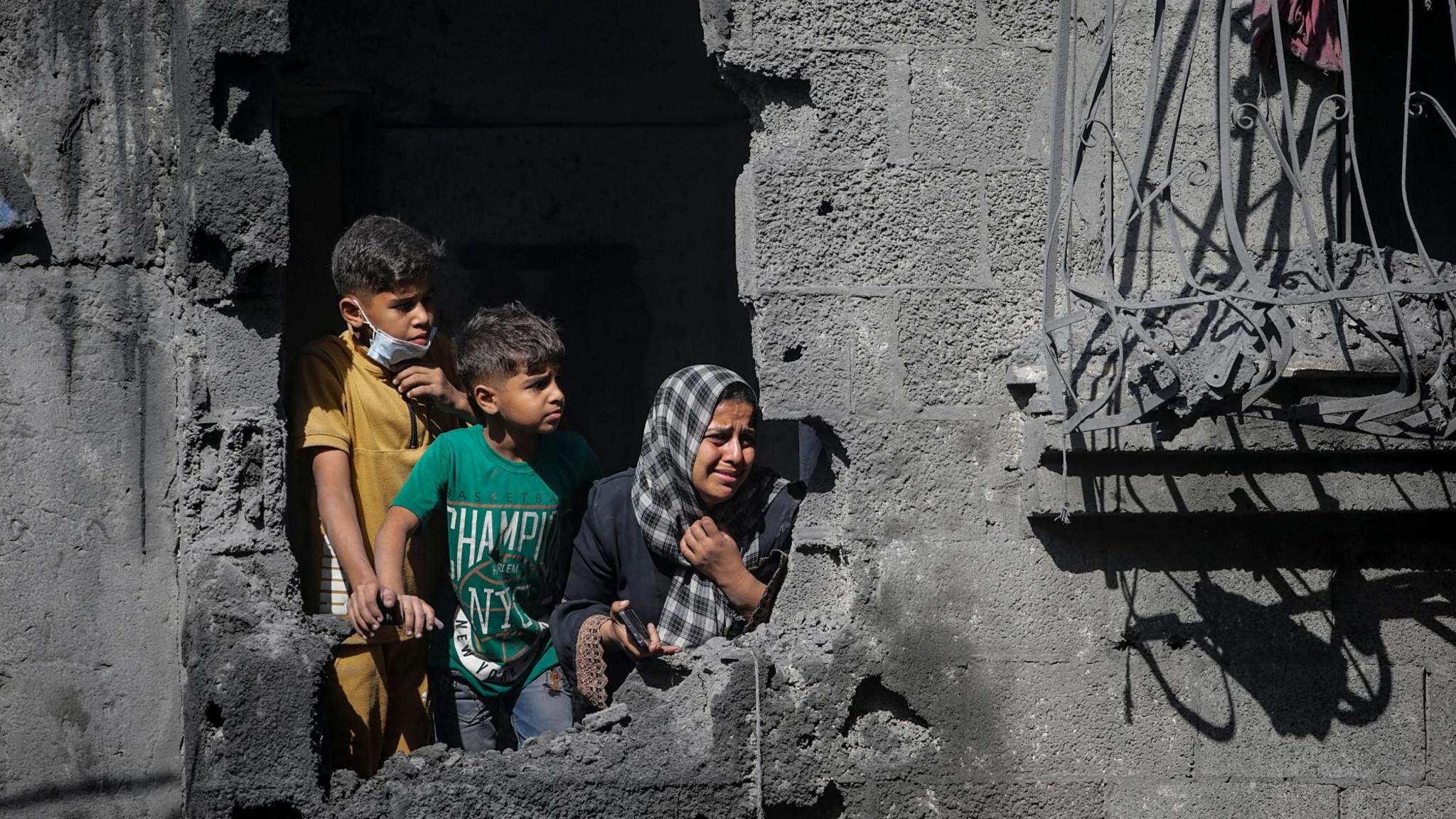
President Trump has acknowledged his support for Pakistan’s military leadership, underscoring the intricate relationships at play. As the conflict escalated, Field Marshall Asim Munir articulated strong opinions on the challenges posed by recent attacks on Iran and Saudi Arabia, warning that they jeopardize peace efforts.
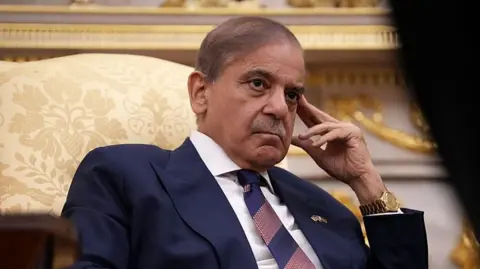
In a late-night address, Pakistan’s Prime Minister announced diplomatic progress and urged both sides to engage in continued negotiations, highlighting Pakistan’s commitment to facilitating dialogue and potential peace. However, the lingering distrust between the US and Iran casts a shadow on the success of these efforts, raising questions about the future of the ceasefire and the fragile peace process.