Philippines Transport Workers Protest Amid Fuel Price Crisis
In response to skyrocketing fuel costs triggered by the Iran conflict, hundreds of transport workers in Manila initiated a two-day strike on Thursday, demanding government intervention to stabilize prices and support the struggling workforce.
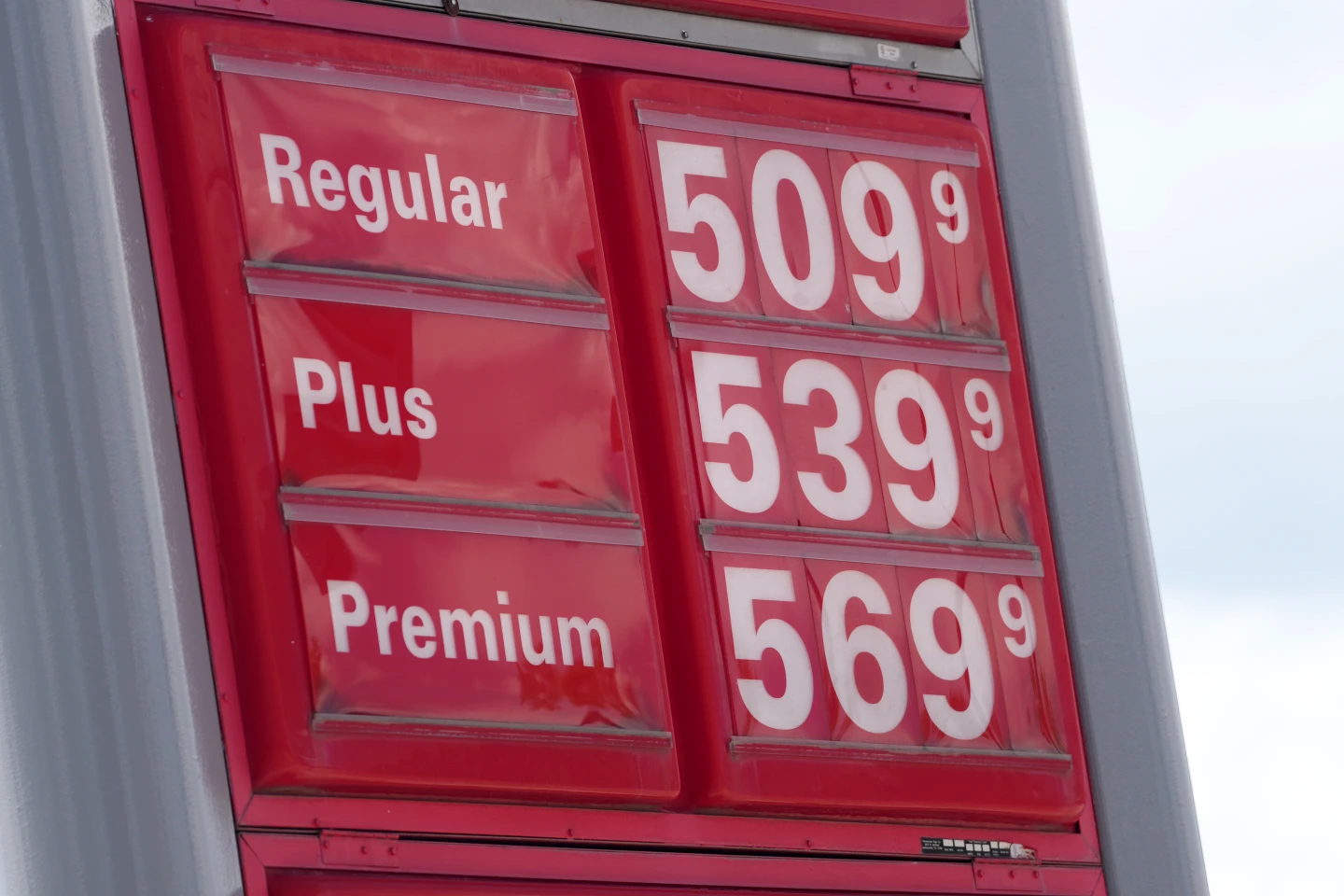
Diesel and petrol prices have more than doubled since the conflict began on February 28, and the nation has now declared a state of energy emergency. This situation has prompted male and female drivers across the city, particularly jeepney drivers, to take action.
A 62-year-old driver spoke of the dire situation, stating he was unable to provide food for his five children and had not received any government aid. As the strike commenced, a vessel carrying over 700,000 barrels of Russian crude oil arrived in the country, highlighting the ongoing challenges of fuel supply amid the conflict.
Transport coalitions involved in the strike are demanding the abolition of fuel taxes, a rollback on oil prices, fare increases, and higher wages to cope with living costs. Many protesters took to the streets with signs that called for increased assistance from the government.
Some drivers have expressed frustration over unmet financial aid promises, with reports of evidence that certain eligible drivers had not received the assistance they were told they would qualify for.
While the government has introduced temporary measures to mitigate the crisis, such as a four-day work week for civil servants, voices within the labor community criticize these responses, claiming a need for more substantial action.
As the country navigates this economic turmoil, ordinary citizens—including commuters waiting in long lines for public transport—express solidarity with the striking transport workers, understanding their struggles amidst rising living costs.