WHO Warns Ebola Outbreak in DR Congo May Become Worst Ever
The current outbreak of Ebola in the Democratic Republic of Congo is on track to surpass the deadliest epidemic ever recorded, the World Health Organization (WHO) chief announced.
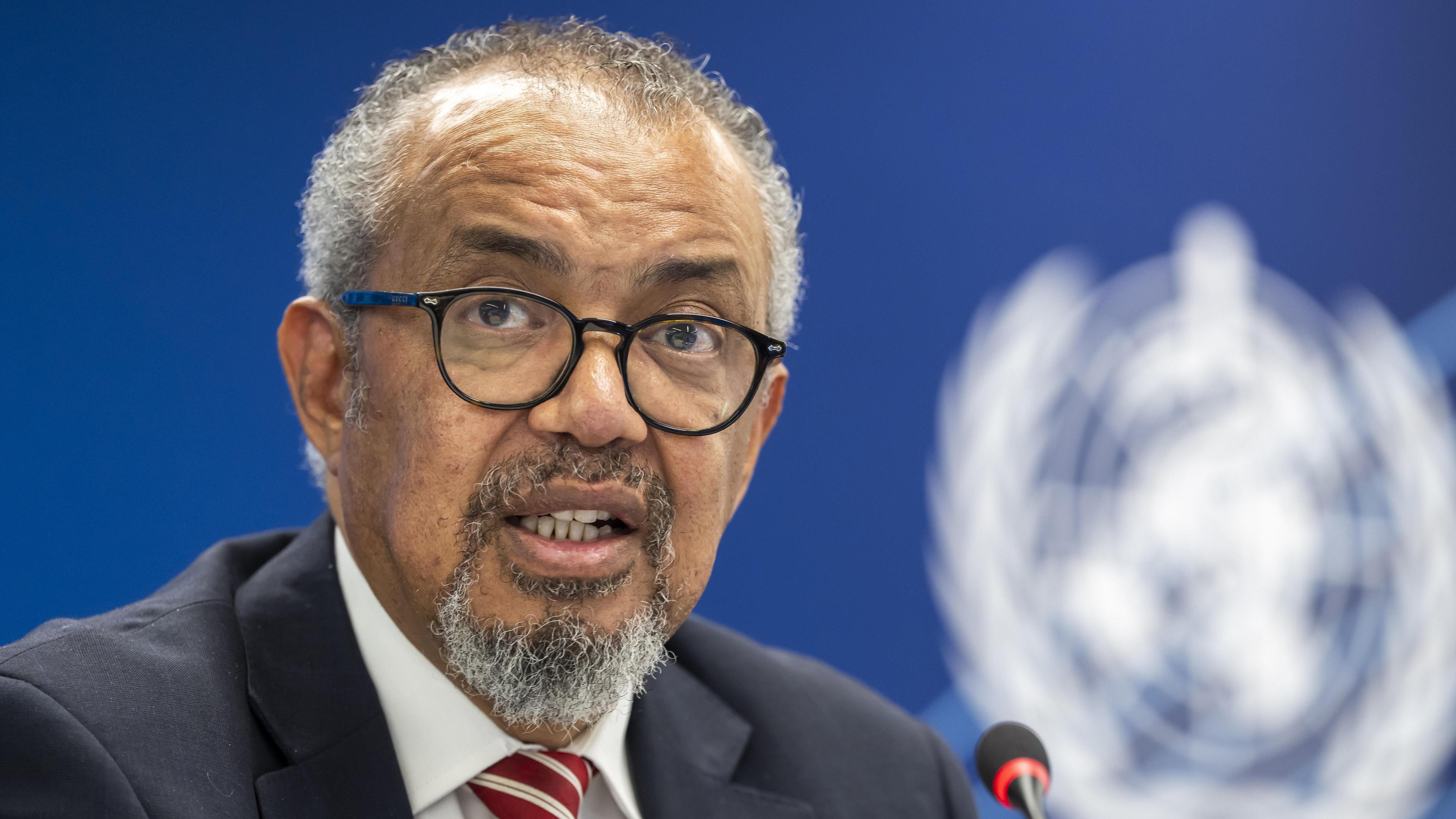
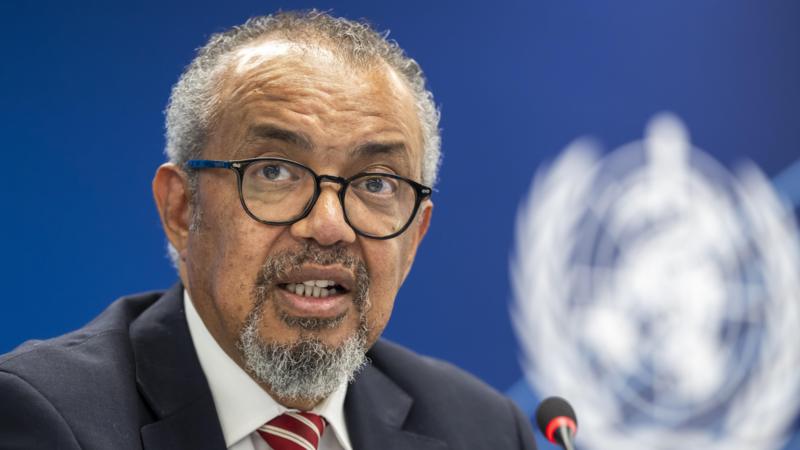
WHO Director‑General Tedros Adhanom Ghebreyesus told reporters that the 2026 epidemic, “at its current pace”, will "eclipse" the 2014‑2016 event that killed at least 11,000 people.
Declared on 15 May, the outbreak now reports over 4,300 cases and 2,000 deaths. The WHO aims to halt disease spread within three months, though controlling transmission is a different question from ending the outbreak.
Experts say the epidemic began about three months earlier, with infections initially mistaken for malaria or typhoid. WHO Africa director Dr. Mohamed Janabi noted that the virus “is ahead of us” and that it started spreading in February.
The outbreak involves the rare Bundibugyo species of Ebola, which has triggered only two prior outbreaks in 2007 and 2012. No approved vaccine or therapy exists for this strain.
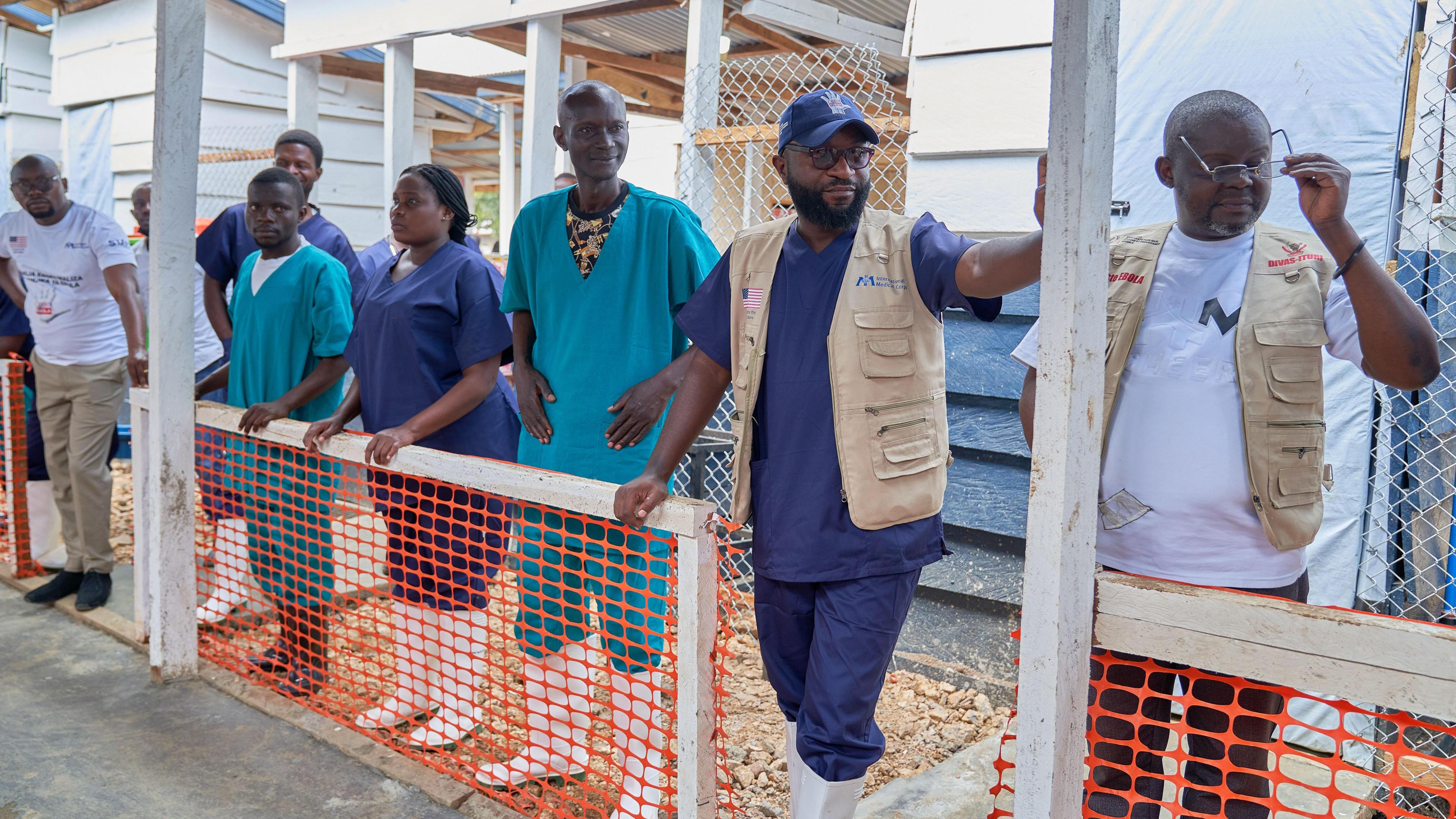
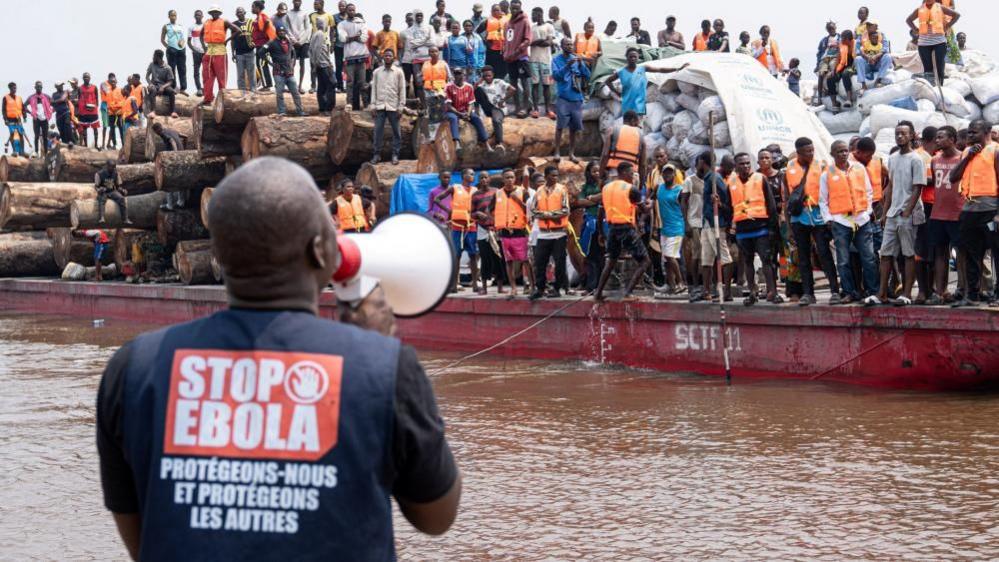
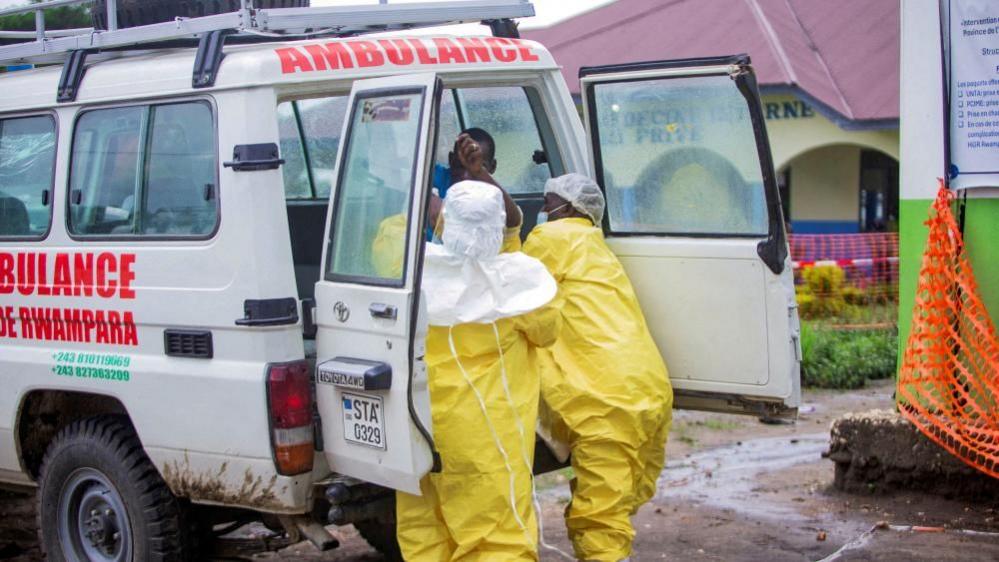
Security challenges in eastern Congo mean health workers reach only about 30% of cases, Janabi said, making containment difficult.
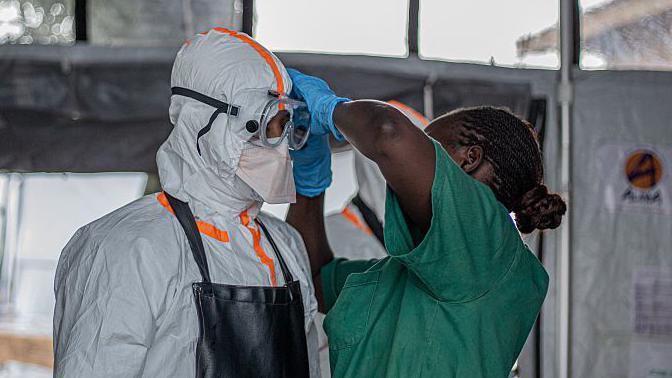
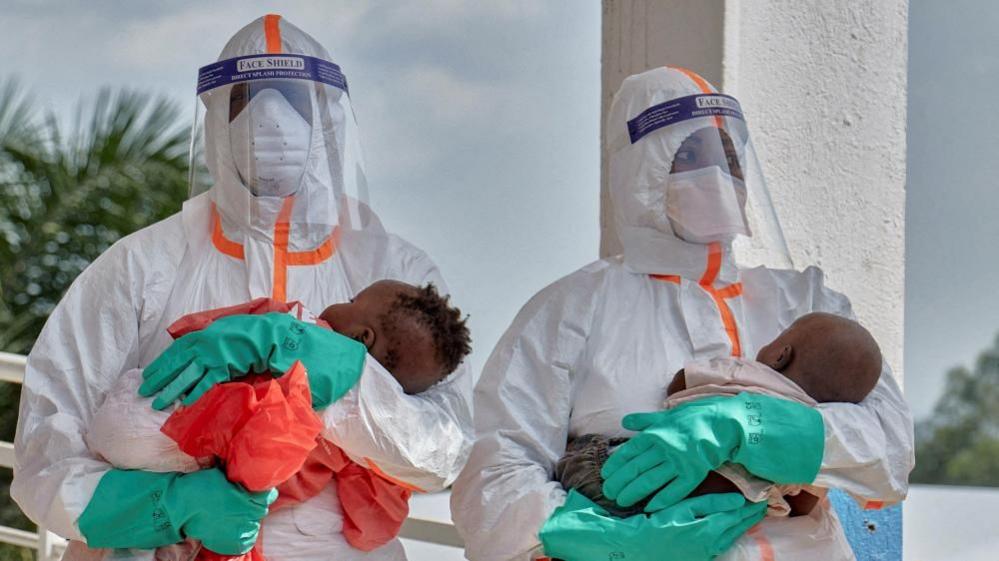
Ebola symptoms can begin anywhere between 2 and 21 days after infection, starting with flu‑like signs such as fever, headache, and fatigue, then progressing to vomiting, diarrhoea and organ failure. The virus spreads through contact with bodily fluids such as blood and vomit.
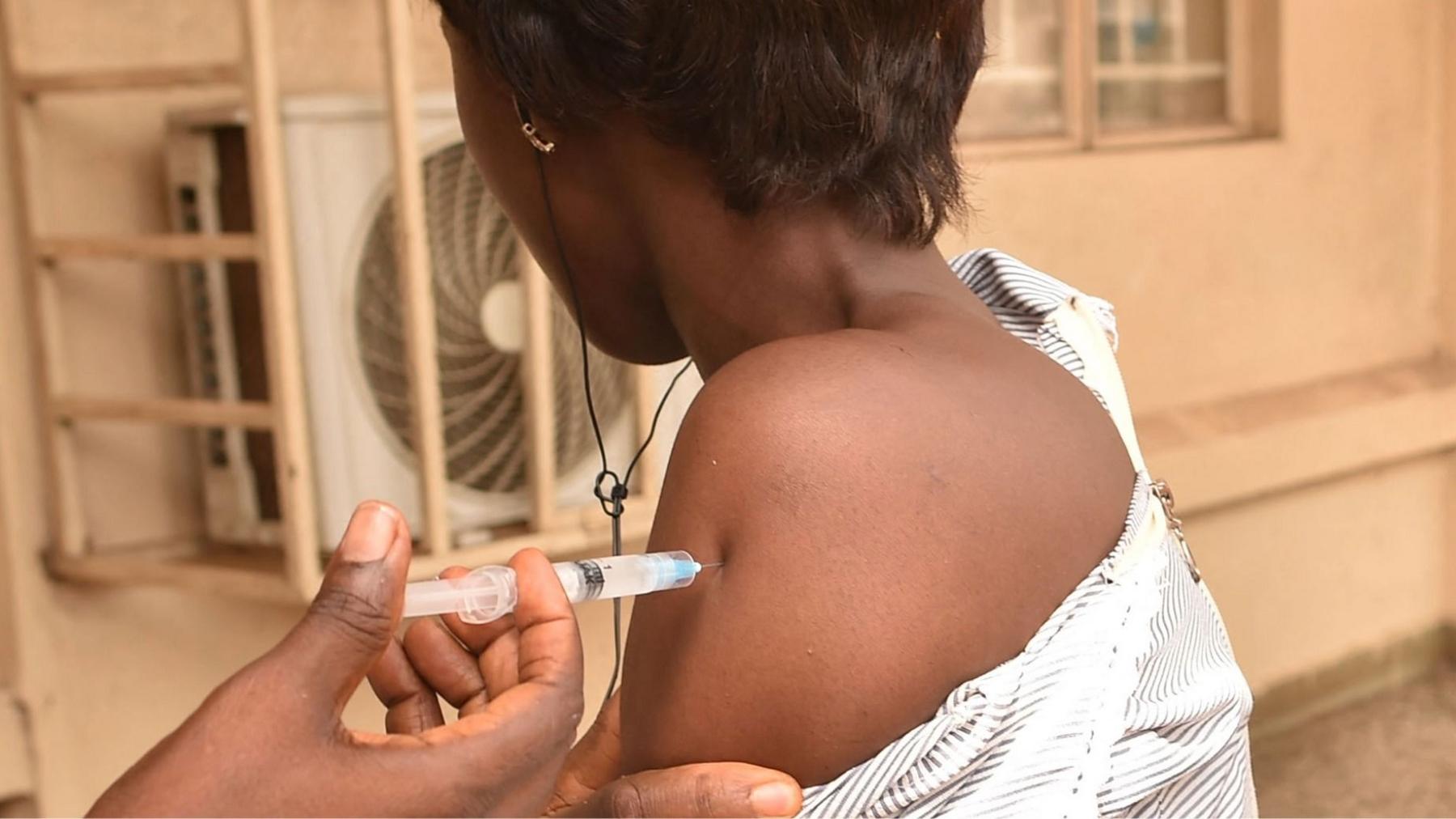
The UK's Medicines and Healthcare products Regulatory Agency (MHRA) has cleared the first human trials of a vaccine for Bundibugyo, developed by a team at the University of Oxford using technology similar to the Oxford‑AstraZeneca COVID‑19 vaccine.
- Three other groups are working on separate Bundibugyo vaccines, yet none have entered clinical trials.
- WHO is sponsoring a clinical trial in DR Congo to test whether two existing antiviral therapies can improve survival rates.
In the words of WHO, “We are chasing the virus, the virus is ahead of us.” As the outbreak escalates, global health authorities call for intensified support and accelerated research to curb this humanitarian crisis.